Understanding Silverfish Habitat: What Attracts and How to Control Them
Silverfish thrive in humid, dark environments, making homes and natural outdoor areas their ideal habitat. Outdoors, they are found under leaf litter and rocks. Indoors, they hide in basements, bathrooms, and kitchens. Understanding their habitat is key to preventing and controlling infestations.
- Silverfish thrive in humid environments, often found in dark areas both indoors and outdoors.
- High humidity levels and the presence of food sources attract silverfish, making them problematic in kitchens and storage areas.
- Preventive measures include reducing humidity, removing clutter, and using natural deterrents to create an unfavorable environment for silverfish.
Silverfish Natural Habitat
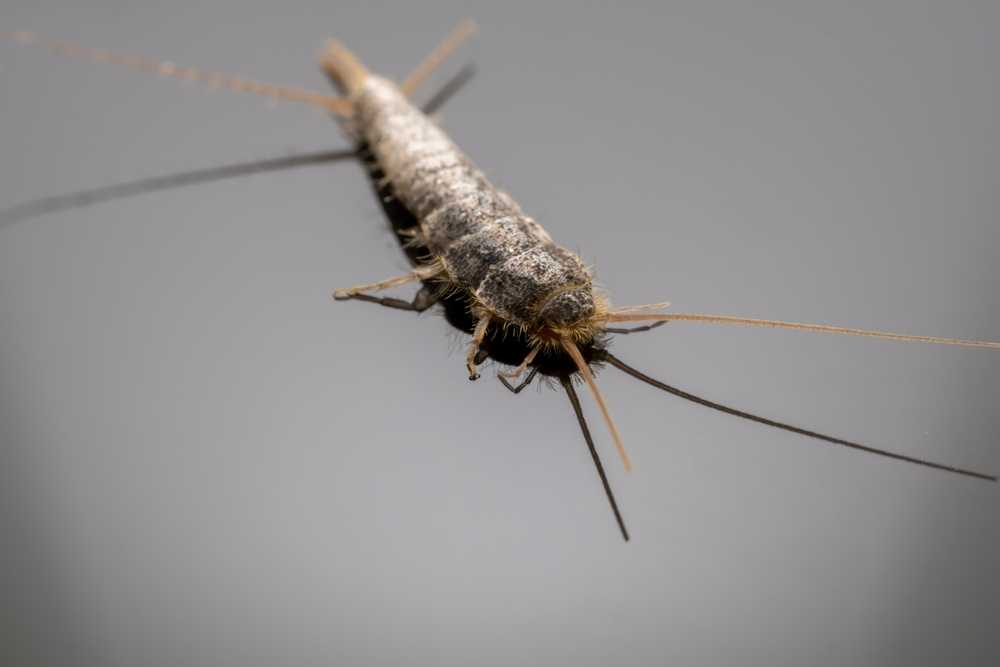
Silverfish, known scientifically as Lepisma saccharina, are primitive insects that have been around for millions of years. These wingless insects are characterized by their silvery scales and long appendages, which give them a fish-like appearance. Female silverfish thrive in environments with high humidity, typically between 70-95%, which is why they are often found in concealed, dark areas to avoid detection. This preference for humidity often points to underlying moisture issues in their environment.
Outdoors, silverfish live in natural habitats like under leaf litter, moist vegetation, rocks, and logs. These environments provide the dampness and darkness they need to survive. However, when outdoor conditions become unfavorable, such as during dry weather, silverfish may seek shelter indoors. This migration can lead to increased silverfish infestations in homes, particularly in areas prone to high humidity.
Indoors, silverfish are commonly found in human-made structures, including basements, bathrooms, attics, kitchens, offices, libraries, and museums. These areas often provide the perfect combination of darkness and moisture that silverfish need. Understanding these habitats is the first step in effectively managing and preventing silverfish infestations.
Outdoor Habitats
Silverfish thrive in outdoor environments, often found in dark, damp areas such as beneath logs and rocks. These natural habitats offer the ideal conditions of high humidity and warmth. Leaf litter and tree bark are particularly attractive to silverfish, as they provide both shelter and food sources. The presence of organic materials in these environments supports their survival and reproduction.
Keeping mulch and leaf litter near your home can increase the risk of a silverfish infestation. Maintaining a clean and clear area around your house is crucial. When outdoor conditions are unfavorable, silverfish may migrate indoors in search of a more suitable habitat. Carefully managing outdoor environments can prevent these pests from making their way inside.
Silverfish are commonly found worldwide in various species, each adapted to specific environments. They are adept at finding hiding spots in small crevices and cracks, making them difficult to detect. Understanding how silverfish reproduce and their outdoor habitats allows homeowners to take proactive steps to minimize the risk of indoor infestations.
Indoor Habitats
Indoors, silverfish are often drawn to moist areas like bathrooms, attics, and basements. These environments provide the necessary humidity and darkness for their survival, as they prefer dark places. Kitchens and laundry rooms are also common silverfish hotspots due to the abundance of moisture and organic materials.
These pests prefer to hide in small, tight spaces during the day, such as cracks and crevices. They can also be found between floors, walls, and shingles. Their ability to squeeze into tiny gaps makes them difficult to spot and eradicate. Silverfish are also known to infest living areas like bedrooms and garages, especially near sources of moisture. Bed bugs are another pest that can be found in similar hiding spots.
Knowing where silverfish tend to hide indoors is key for effective control. Identifying and addressing these areas can reduce the likelihood of an infestation, creating an environment less favorable for these persistent pests.
Conditions Favoring Silverfish
High humidity levels, particularly those exceeding 70%, create ideal conditions for silverfish to thrive. Warm, damp areas provide the perfect breeding ground for these insects. A consistent temperature range of 70°F to 80°F is ideal for silverfish, making many homes an attractive habitat.
The presence of food waste or organic debris can significantly increase the likelihood of silverfish infestations. Silverfish are particularly attracted to starchy materials, such as those found in paper products, glue, and certain textiles. These materials provide essential nutrients that support their growth and reproduction.
Creating a dry environment with dehumidifiers can reduce silverfish attraction to areas where they thrive. Addressing leaks and damp areas in the home is crucial for lowering humidity levels. Mitigating these conditions can help homeowners prevent and control silverfish infestations effectively.
Silverfish’s Diet
Silverfish are primarily attracted to foods rich in carbohydrates, especially those containing sugars and starches. They frequently consume items like flour, oatmeal, and pasta, making them common pests in kitchens and storage areas. These insects are also known to damage a variety of items, such as books and textiles, by consuming the glues and starches used in their production.
In addition to plant-based organic matter and other organic materials, silverfish feed on animal-based materials, including hair and dead insects. Silverfish’s diet consists of this diverse range, allowing them to thrive in various environments, both indoors and outdoors. Knowing what silverfish consume can help homeowners protect vulnerable items and reduce infestation risks.
Signs of Infestation
Detecting a silverfish infestation can be challenging due to their nocturnal nature. However, there are several signs to look out for. Damage to paper products, such as books and wallpaper, is a common indicator of a silverfish infestation. These pests feed on the starches found in these materials, leaving behind visible damage.
Physical signs of silverfish include small, round droppings resembling peppercorns and skin casts shed during their lifecycle. Yellow stains, potentially from their urine, can also be an indicator of an ongoing infestation. These signs are often found near food sources and in dark, humid areas where silverfish are likely to hide.
Since silverfish are nocturnal creatures that typically come out at night to search for food, their detection can be more challenging during the day. Regular inspections and monitoring of potential hotspots can help identify and address infestations early.
Preventing Silverfish Infestations
Preventing silverfish infestations requires a proactive approach to creating an environment less favorable to these pests. Maintaining higher temperatures inside can help deter silverfish, as they thrive in cooler, damp conditions. Addressing leaks and damp areas in the home is crucial for lowering humidity levels, which silverfish depend on for survival.
Clutter removal can also help deter silverfish by limiting their hiding spots. Using airtight containers to store food can significantly reduce silverfish attraction. Bay leaves and essential oils like cedar and lavender can act as natural repellents due to their strong scents, making storage areas less appealing to silverfish.
Regular vacuuming helps eliminate silverfish eggs and reduces their population. Combining these preventive measures can create a less hospitable environment for silverfish, minimizing infestation risks.
DIY Traps and Deterrents
DIY methods can be highly effective in trapping and deterring silverfish. A simple yet effective trap involves using a glass jar with a slippery exterior; once silverfish climb in, they cannot escape. Sticky traps placed in the corners of rooms can capture silverfish as they move about. Another method is rolling up an old newspaper, moistening it, and placing it in areas where silverfish are frequently seen; the paper attracts them, and you can dispose of it in the morning along with any captured silverfish.
Diatomaceous earth is another effective tool for controlling silverfish. Sprinkling it in corners and along pathways can help eliminate silverfish. Regular vacuuming complements these trapping efforts by eliminating silverfish eggs and disrupting their nesting areas.
Combining traps, natural deterrents, and regular cleaning can provide a comprehensive strategy to kill silverfish control.
Professional Pest Control
For persistent silverfish issues, engaging in professional pest control is often the best solution. They utilize specialized techniques and tools to effectively manage silverfish infestations. Persistent issues often indicate underlying problems that require professional assessment and intervention.
Understanding the habitat and behavior of silverfish is crucial for effective control and prevention. By recognizing the conditions that favor silverfish, their diet, and the signs of infestation, homeowners can take proactive steps to manage these pests. Combining preventive measures, DIY traps, and professional pest control can ensure a silverfish-free home.
Frequently Asked Questions
What are the common signs of a silverfish infestation?
Common signs of a silverfish infestation include damage to paper products, small round droppings, and skin casts. If you notice these signs, it’s important to take action promptly.
How can I prevent silverfish infestations?
To effectively prevent silverfish infestations, keep humidity levels low, maintain higher temperatures, seal any cracks in your home, and consider using natural repellents like bay leaves. These steps can help to create an environment that is less conducive to silverfish activity.
What do silverfish feed on?
Silverfish feed on carbohydrates such as sugars and starches, which can lead to damage to books and textiles by consuming glues and starches. It’s important to protect your belongings from these pests.
Are there natural predators of silverfish?
Yes, house centipedes and certain spiders, such as the spitting spider, are natural predators of silverfish. Utilizing these natural predators can help manage silverfish populations effectively.
When should I consider professional pest control for silverfish?
If you have a persistent silverfish issue, it’s advisable to consider professional pest control for effective management and prevention. This ensures a thorough approach to eliminating and preventing their return.