Top Ants Control Solutions: Keep Your Home Ant-Free Naturally
Dealing with ants? This guide offers practical ant control solutions to help you remove ants effectively. Discover natural methods to eliminate infestations and keep your home ant-free while discouraging other ants from invading.
- Borax and diatomaceous earth are effective natural remedies for ants control, targeting entire colonies and killing ants, including worker ants, larvae, pupae, and queens, without harsh chemicals.
- Essential oils and vinegar disrupt ants’ scent trails, making them powerful natural repellents for immediate and long-term control.
- Sealing entry points and maintaining a clean environment, including securing pet food and other items, are crucial steps for preventing ant infestations in homes.
Borax for Ant Control
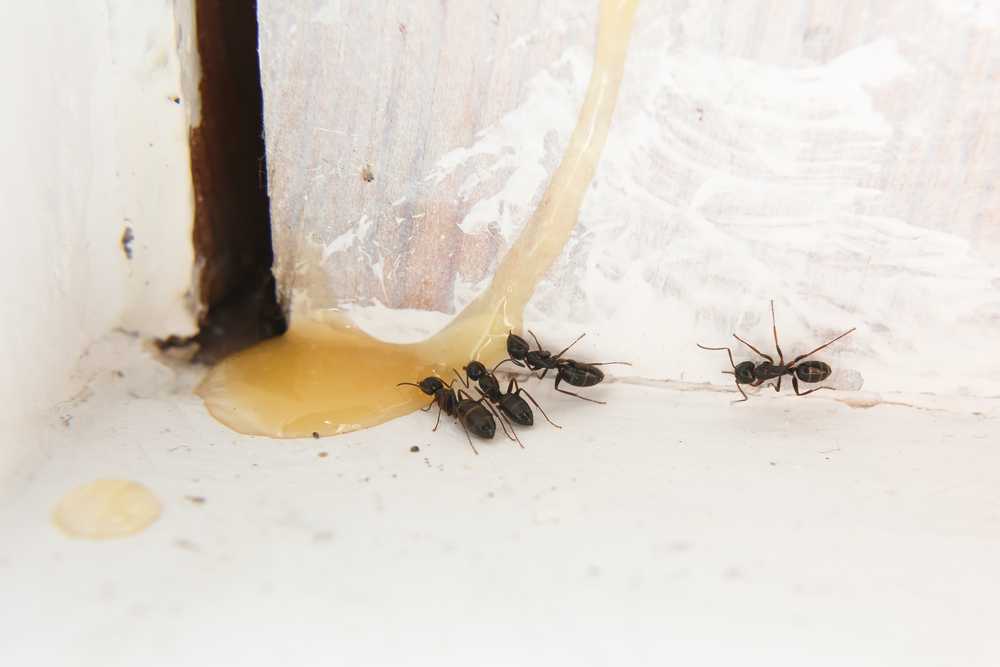
Borax, a natural mineral, is a proven remedy for ants control. Ants consume borax mixed with sweet substances like sugar or honey and take it back to their ant nests, eradicating the entire colony. This method targets worker ants, the queen, eggs, larvae, and pupae, providing a long-term solution to your ant problem.
Use borax cautiously, especially around pets and children, as it can be harmful if ingested. For persistent infestations like those caused by red imported fire ants, place boric acid-based baits near their mounds to target their colonies effectively.
Different ant species may react differently to borax, but it is effective against many, including carpenter ants and Argentine ants. Whether using liquid ant baits or solid bait stations, borax is a powerful active ingredient in ant control.
Diatomaceous Earth
Diatomaceous earth is a natural option for ants control. Made from fossilized diatoms, this fine powder dehydrates ants by absorbing oils from their exoskeletons, killing them without harsh chemicals. Applied along ant trails and entry points, it creates a barrier that ants struggle to cross.
Indoors, sprinkle diatomaceous earth on potting soil to deter ants from infesting houseplants. Wear gloves and a mask during application to prevent skin and respiratory irritation.
Using Vinegar
Vinegar, a versatile household item, repels ants by disrupting their scent trails, making navigation difficult. Undiluted vinegar in areas where ants frequently enter can kill ants on contact and deter other ants from following.
For stronger control during warm weather or heavy infestations, mix apple cider vinegar with water and spray it around your home, especially in infestation-prone areas. This method is particularly effective for immediate ant control.
Essential Oils
Essential oils, beyond aromatherapy, are powerful ant repellents. Peppermint oil, with high menthol content, irritates ants and creates a barrier they won’t cross. Tea tree oil, known for its antiseptic properties, disrupts ant scent trails, making communication difficult.
Combining essential oils like peppermint and tea tree enhances their effectiveness. Lemon oil, with strong limonene content, is also a powerful ant deterrent. These oils discourage ants from establishing new colonies inside your home.
Boiling Water
Pouring boiling water into ant mounds quickly eliminates many ants, especially those in substantial underground nests. Pouring 2 to 3 gallons of boiling water over a mound can eliminate around 60% of the ants.
Repeating the process may be necessary for complete extermination, as some ants can survive the initial application. Use this method carefully to avoid damaging nearby plants and grass.
Cornstarch Method
Cornstarch can effectively kill ants by suffocating them. Pouring cornstarch over ants and mixing it with water creates a cement-like substance that traps and kills them. Alternatively, sprinkle cornstarch in active areas and vacuum them up, disposing of the vacuum bag outside.
This method is useful for small infestations and can quickly reduce indoor ant populations without chemicals.
Lemon Deterrent
Lemons can deter ants with their strong citrus scent, disrupting the scent trails ants use to navigate. Applying lemon juice at entry points and placing lemon rind along ant trails can discourage ants and create a natural barrier that repels ants effectively.
The acidity in lemon juice further disrupts ants’ sense of direction, discouraging them from entering your home.
Coffee Grounds
Coffee grounds can deter ants in the garden, as the scent is unappealing to them. While they may have a temporary repellent effect on some ant species, their long-term effectiveness is uncertain.
Using coffee grounds as a deterrent is more anecdotal than scientifically validated, but it can still be a useful tool in ant control.
Neem Oil
Neem oil, a natural insecticide, effectively deters household ants. Applied full-strength, neem oil disrupts the ants’ life cycle and prevents their return. This method is safe around pets and children, making it an excellent choice for families.
Spray neem oil directly on ant trails and entry points to create a powerful barrier against these pests.
Sealing Entry Points
Sealing entry points is an effective way to prevent ants inside your home. Foundation gaps, wall cracks, and poorly sealed doors and windows can all serve as access points. Using silicone-based caulk to seal these gaps helps keep ants out.
Sprinkling baking soda at entry points can further discourage ants from entering.
Keeping Food Sources Secure
Ants continually seek food and water sources. Securing your food is crucial to preventing infestations. Store pet food and other food items in airtight containers and promptly clean up spills and crumbs to deter ants from invading your kitchen.
Regularly inspecting and maintaining seals on doors and windows can also help achieve long-term control over ant populations.
Houseplant Inspections
Houseplants can harbor ant infestations. Regularly examine houseplants for signs of ants and other pests like aphids that produce sweet honeydew, which attracts ants. Use citrus rinds around plants to deter ants with their strong scent. Proper watering practices are also crucial, as overwatering can attract ants.
Outdoor Maintenance
Maintaining your outdoor space prevents ants from invading your home. Regularly trimming trees and shrubs stops ants from using branches as pathways into your house.
Clearing your yard of standing water, such as from leaky hoses, also helps reduce ant attraction.
Commercial Ant Repellents
Commercial ant repellents can effectively complement your ants control strategy. When selecting a product, read the ingredient list to ensure it is safe for use around children and pets.
Commercial repellents often come in spray or bait trap forms. Sprays provide immediate deterrence, while bait stations work over time to reduce ant populations. Non-toxic options are available and can be just as effective without the risks of chemical pesticides.
Vinegar is a safe and effective alternative to chemical repellents for ant control.
Bait Traps
Bait traps effectively control ant populations by attracting worker ants and allowing them to carry toxic substances back to their colonies. A mixture of dried yeast and powdered sugar works effectively as bait.
These pet-safe traps are easy to use, making them convenient for homeowners. Replace the traps every 30 days or sooner if there is significant ant activity to ensure continuous control.
Professional Pest Control
Professional services provide long-term control and effectively eliminate entire colonies.
By following these natural ant control methods, you can keep your home ant-free and enjoy a more comfortable living environment. From using borax and diatomaceous earth to sealing entry points and maintaining outdoor spaces, these strategies cover all aspects of ant prevention and elimination. Take control of your home today and say goodbye to those pesky invaders!
Frequently Asked Questions
How does borax kill ants?
Borax kills ants by being mixed with food that worker ants carry back to their ant nests, where it ultimately eliminates the entire population, including the queen, eggs, larvae, and pupae. This targeted approach ensures effective pest control.
Is diatomaceous earth safe to use around pets?
Yes, diatomaceous earth is safe to use around pets when applied correctly; just ensure you wear gloves and a mask to prevent irritation.
Can I use vinegar to repel ants permanently?
Vinegar can disrupt ant trails and kill ants on contact, but it isn’t a permanent solution and requires periodic reapplication for ongoing effectiveness.
What essential oils are effective against ants?
Peppermint, tea tree, and lemon essential oils are effective in repelling ants by disrupting their scent trails with their strong fragrances. Using these oils can provide a natural solution to your ant problem.
When should I call a professional pest control service?
You should call a professional pest control service when DIY methods do not effectively control the pest problem or if the infestation persists, as they can provide long-term solutions.