Top Tips to Get Rid of Ants Inside The House Quickly
Dealing with ants inside your home? This article covers how to identify the ants, locate their entry points, and use effective methods to eliminate them fast. You’ll also learn about natural repellents and ways to prevent future infestations.
- Identifying the ant species in your home is essential for effective treatment, as different species have unique behaviors and food preferences.
- Sealing entry points and maintaining cleanliness are key preventive measures to reduce the likelihood of ant infestations.
- Using targeted ant baits and monitoring their effectiveness are crucial steps in eliminating entire ant colonies and preventing future problems.
Identifying Ant Species in Your Home
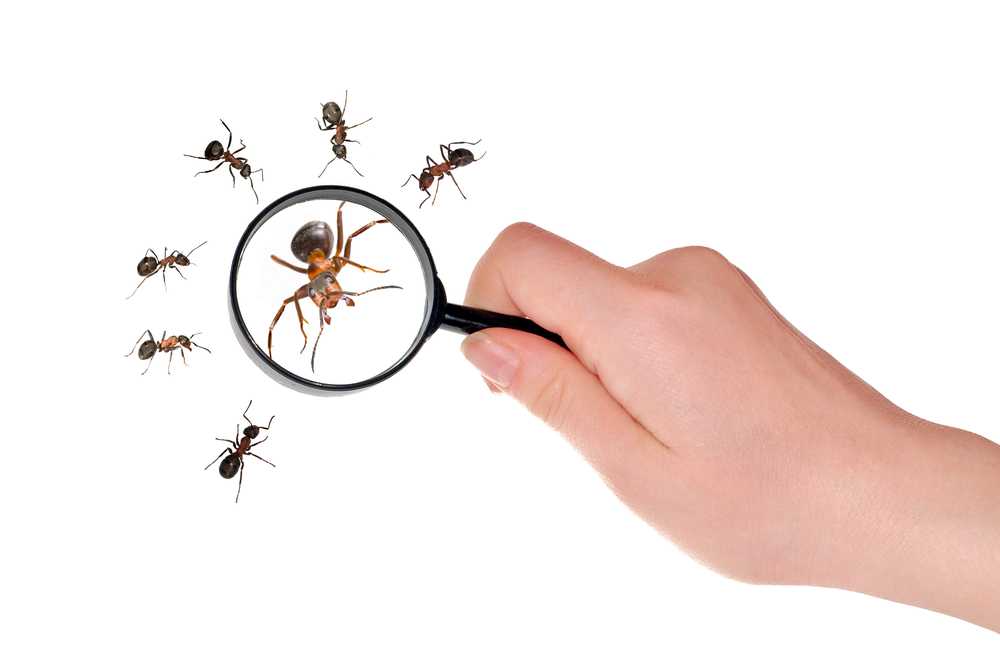
Recognizing the ant species in your home is essential for effective pest control. Different species have varying behaviors, preferences, and vulnerabilities. For instance, pavement ants, odorous house ants, and pharaoh ants are some of the most common species found inside homes. Identifying the type of ant can guide you to the appropriate treatment and help prevent future infestations.
Odorous house ants emit a distinctive coconut-like scent when crushed, making them relatively easy to identify. Argentine ants, on the other hand, give off a musty odor and can contaminate food, although they are not a significant health threat. Crazy ants are known for their erratic movements and adaptability, often invading homes during the autumn months. Recognizing these characteristics can help you target your pest control efforts more effectively.
Different ant species have distinct food preferences, influencing the type of bait that will be most effective. Some ants are drawn to sugar-based baits, while others prefer protein-based options. Tailoring the bait to the specific ant species can significantly enhance your efforts to eliminate ants.
How Ants Enter Your House
Understanding how ants enter your home is key to preventing their invasion. Ants can infiltrate your home through various entry points, so identifying and sealing these access routes is vital. Common entry points include cracks in walls, gaps around doors and windows, and openings in foundations. Regularly inspecting and sealing these gaps can significantly reduce the likelihood of ants finding their way inside.
Moisture is a major attractant for ants, particularly carpenter ants, which are drawn to damp, damaged wood. These ants often enter homes through structural cracks or damaged wood around windows and doors. Ensuring that your home is free from moisture problems can help deter these pests and prevent future infestations.
Regular maintenance and inspections are crucial for keeping ants out. Sealing gaps around doors, windows, and foundations can minimize entry points. By taking these proactive steps, you can make your home less inviting to these persistent invaders and protect your living space from further infestations.
Immediate Steps to Get Rid of Ants
When you first notice ants in your home, it’s important to act quickly. A highly effective immediate step is to clean surfaces with a mixture of glass cleaner and liquid detergent to eliminate ant pheromone trails. Ants use these scent trails to navigate and communicate, so removing them can disrupt their activities and deter others from following the same path.
Another quick solution is to spray a saltwater solution, which dehydrates the ants’ exoskeletons and kills them. A more targeted approach involves mixing baking soda and powdered sugar in a shallow container or sprinkling it in a thick line. The sugar attracts ants, while the baking soda dehydrates and kills them. These methods are simple yet effective for quickly eliminating ants.
For outdoor infestations, pouring boiling water into ant hills can be an effective way to kill many ants inside. This method is particularly useful for dealing with large ant colonies near your home. Taking these immediate steps can quickly reduce the number of ants in your home, preventing a minor problem from becoming a major infestation.
Using Ant Baits Effectively
Ant baits are a powerful tool in the fight against ants, as they target the entire colony rather than just individual ants. Worker ants carry the poisoned food back to the nest, which helps eliminate the colony from within. This approach is more effective than sprays, which only kill ants on contact and do not address the root of the problem.
Gel ant traps are popular for attracting and capturing ants. These traps come in various shapes and sizes, allowing for flexible placement. Observing regular ant trails can indicate a significant infestation that requires effective bait placement.
Using ant baits strategically ensures the poison reaches the entire colony, leading to a more effective solution.
Choosing the Right Ant Bait
Selecting the right ant bait is crucial for eliminating the entire colony. Ant baits are designed to attract worker ants, who then carry the slow-acting insecticide back to the nest. This approach ensures the poison reaches the queen and other ants, effectively destroying the entire colony.
Different types of ant baits are available, each tailored to specific ant species. For example, some baits are mixed with sugar to attract sugar-loving ants, while others contain proteins for ants that prefer protein-based food. This customization enhances the effectiveness of the bait, making it more likely that the ants will take it back to their nest.
Understanding the preferences of the ant species in your home helps in choosing the most effective bait to eliminate them. This targeted approach ensures that you are using the right product for the right problem, increasing your chances of success.
Placement of Ant Baits
Placement of ant baits is just as important as choosing the right bait. For optimal results, position ant baits near ant trails and nests. This increases the likelihood that the worker ants will find the bait and carry it back to their colony.
Safety is also a key consideration. Keep bait stations out of reach of pets and children to avoid accidental ingestion. Regularly checking bait stations helps assess ant activity and ensures that the baits remain effective and appealing to ants.
Strategically placing ant baits and monitoring their effectiveness allows you to target the entire ant colony and prevent future infestations. This approach maximizes the impact of the baits and helps you get rid of ants more efficiently.
Monitoring and Replacing Baits
Monitoring and replacing ant baits is vital for maintaining their effectiveness. Baits, like those containing Borax, should be replaced every few days to ensure they remain effective. Ants can quickly deplete the bait, making it necessary to replenish it regularly.
Signs of ant activity around baits, such as consistent ant trails and frequent visits to the bait stations, indicate their effectiveness. Regular monitoring helps you determine whether the baits are effective and if any adjustments are needed.
Maintaining control over the ant population and preventing future infestations requires close monitoring and timely replacement of baits. This proactive approach ensures that the baits continue to attract and kill ants, helping you get rid of ants more effectively.
Natural Methods to Repel Ants
Several natural methods can effectively repel ants for those who prefer to avoid chemical solutions. Lemon eucalyptus oil, containing citronella, acts as a natural repellent for some ant species. Similarly, tea tree oil mixed with water and sprayed around the home can serve as an effective deterrent.
Essential oils like peppermint and tea tree can be mixed with water and sprayed around entry points to keep ants at bay. Cinnamon leaf essential oil, featuring compounds like trans-cinnamaldehyde, can repel and kill ants. These natural solutions are not only effective but also safe for use around children and pets.
Other natural methods include sprinkling ground black or red pepper around areas where ants are seen, using coffee grounds near corners and windows, and placing cotton balls soaked in peppermint oil near entry points. These methods disrupt ant trails and make your home less inviting to these pests.
Natural repellents allow you to keep a few ants out without relying on harsh chemicals that attract ants.
Preventing Future Infestations
Preventing future infestations is key to maintaining an ant-free home. Sealing cracks and crevices significantly reduces potential entry points for ants. Common entry points include cracks, holes in walls or floors, and gaps in plumbing. Sealing these gaps makes it more difficult for ants to find their way inside.
Maintaining cleanliness is another key factor. Maintaining cleanliness and promptly cleaning spills can effectively deter ants. Storing food in airtight containers and using sealed glassware or refrigerating leftovers can help prevent attracting ants.
Keeping vegetation trimmed and away from the home also reduces the pathways ants can use to enter your house. Taking these preventive measures reduces the likelihood of future infestations and helps keep your home ant-free. These proactive steps help create an environment that is less inviting to ants and other pests, ensuring a more comfortable living space.
When to Call a Pest Control Professional
Sometimes, despite your best efforts, ants can become a persistent problem that requires professional intervention. If eco-friendly cleaning solutions and DIY methods aren’t effective, it’s time to contact a local pest control company.
For significant ant problems, seeking help from a professional pest controller is advisable. Pest control companies can identify the ant species, survey the damage, and suggest remedies tailored to your infestation.
Dealing with ants in your home involves a multi-faceted approach. Identifying the specific ant species is the first crucial step, as this information guides your choice of treatments and baits. Understanding how ants enter your house helps in sealing entry points and deterring future invasions. Immediate actions, such as cleaning surfaces and using natural repellents, can quickly reduce the number of ants.
Preventing future infestations through cleanliness and maintenance is essential, and knowing when to call a pest control professional ensures that persistent problems are handled effectively.
Frequently Asked Questions
What are the common ant species found in homes?
Pavement ants, odorous house ants, and pharaoh ants are the most common species found in homes. Identifying the specific species is crucial for effective pest management.
How do ants typically enter a house?
Ants typically enter a house through cracks in walls, gaps around doors and windows, and openings in foundations. Addressing moisture issues and sealing entry points can help prevent their access.
What immediate steps can I take to get rid of ants?
To quickly eliminate ants, clean surfaces with glass cleaner and detergent to disrupt pheromone trails, use a saltwater solution, and pour boiling water directly into ant hills. These actions will help deter their presence effectively.
How do I effectively use ant baits?
To effectively use ant baits, select the appropriate bait for the specific ant species, place it strategically near ant trails and nests, and regularly check and replace the baits to ensure optimal results. This approach will enhance your success in controlling ant populations.
When should I call a pest control professional?
If DIY methods and natural solutions fail, it’s essential to call a pest control professional to handle persistent infestations effectively and prevent further issues.