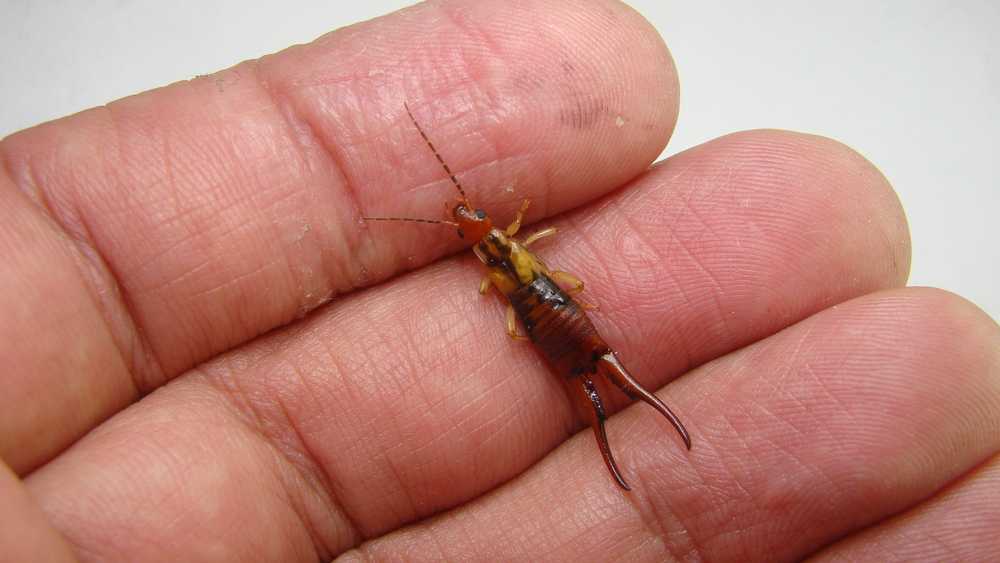
Are Earwigs Dangerous to Humans? – What You Need to Know
Are earwigs dangerous? No, they are not. Despite their fierce-looking pincers, earwigs do not pose any significant danger to humans. This article will clarify these misconceptions, explore earwig behavior, and offer tips on managing them effectively.
- Earwigs are not harmful to humans; they do not seek to burrow into people’s ears and their pincers are mainly for defense.
- They can be a nuisance in gardens by damaging plants but pose minimal health risks, with most concerns revolving around minor skin irritation.
- Preventive measures like reducing moisture, sealing entry points, and maintaining sanitation in the home can effectively keep earwigs at bay.
Understanding Earwig Behavior
Earwigs, also known as ear wigglers, prefer warm, moist soil environments for both shelter and feeding. This is why they are commonly found under logs, in dense vegetation, flower beds, or other areas rich in moisture. They commonly enter homes seeking shelter from extreme weather conditions, particularly during heavy rains or droughts. Knowing their habitats and reasons for entering homes helps in managing them effectively.
These insects have six legs and are omnivorous, feeding on small insects like spiders, mites, and other pests, as well as dead and dying vegetation and fungi. While they can play a beneficial role in controlling other pests, they can also damage plants by feeding on leaves, which may stunt the plants’ growth. This dual nature as both pest controllers and plant feeders makes them a unique species to study and manage.
Earwigs are mainly active during the night and tend to hide during the day. This nocturnal activity can make them seem more menacing than they actually are. During the night, they come out to feed, capture prey, and mate, often drawn to lights and moisture. If you’ve ever found a small bug like an earwig in your home, it was likely seeking food, shelter, or a mate where earwigs live.
Despite their fearsome appearance, earwigs are not aggressive towards humans. They use their pincers on their abdomen primarily for defense and mating, not for attacking people. Learning about their behavior and habitat preferences helps prevent them from becoming unwelcome guests.
Can Earwigs Harm Humans?
One of the most persistent myths about earwigs is that they seek out human ears to burrow into. This idea has no scientific support and is purely a product of folklore. Earwigs do not seek out human ears, and the myth that they crawl into people’s ears and tunnel into brains has no scientific support. Claims that earwigs can crawl inside the ear and lay eggs are also unfounded. The likelihood of an earwig entering a person’s ear is extremely low and purely accidental.
While earwigs can pinch, they cannot bite people as they lack the necessary mouthparts. An earwig’s pinch is usually more startling than painful and rarely results in skin breakage. In the rare event that a pinch does break the skin, basic first aid is usually sufficient to prevent any complications. Earwigs use their pincers mainly for defense and mating; they can pinch humans when agitated.
In some cases, earwigs can release a foul-smelling liquid as a defense mechanism. While this can be unpleasant, it is harmless to humans. The smell is meant to deter predators and is not toxic. Despite common myths about their pincers, earwigs are harmless to humans.
Earwigs are not considered vectors for disease and typically avoid contact with harmful microorganisms. They do not pose any significant health risks to humans or pets, making them more of a nuisance than “earwigs are dangerous.” Knowing these facts can alleviate fears and help manage earwig issues effectively, as the harmful effects of earwigs are not a concern. Additionally, European earwigs are often misunderstood in terms of their impact on health.
Are Earwigs Poisonous or Venomous?
Another common misconception is that earwigs are poisonous or venomous. This is entirely false. Earwig pincers are not poisonous or venomous, and while they may pinch humans if threatened, this rarely results in injury. The idea that earwigs have a poisonous bite is a myth; they are neither poisonous nor venomous.
When threatened, earwigs can release an unpleasant smell that is harmless and serves as a predator deterrent. This smell, while off-putting, poses no risk to humans or pets. The primary defense mechanism of earwigs is their pincers, which are used more for show than for causing harm.
Realizing that earwigs are neither venomous nor poisonous can reduce fear and misinformation. While their appearance may be intimidating, they are relatively harmless and do not pose any significant threat to humans. Such knowledge is vital for managing earwig populations in and around the home.
Do Earwigs Pose Health Risks?
Earwigs are not typically harmful to humans or pets. While they may pinch humans, this usually leads to nothing more than a minor, momentary discomfort. However, an untreated earwig pinch can result in secondary infection and cellulitis. It is important to clean any small wounds caused by their pincers to avoid complications.
In gardens, earwigs can cause damage by creating irregular holes in leaves and flowers. This can affect the appearance and health of plants, making them a concern for gardeners. However, they do not contain any toxic substances that could harm humans upon contact or ingestion. Their impact on human health is minimal, with the primary concern being their potential to cause minor skin irritation or secondary infections.
Despite their bad reputation, earwigs do not pose significant health risks. They are more of a nuisance than a danger, and their presence can be managed effectively with proper knowledge and techniques. Knowing their lack of toxicity and the minor risks of their pinches can reduce unnecessary fear and anxiety.
How to Prevent Earwigs in Your Home
Keeping earwigs out of your home requires several practical steps. Reducing moisture in your home by using a dehumidifier and cleaning cement floors can make your home less attractive to these insects. Since earwigs thrive in warm, moist environments, maintaining a dry home is essential.
Sanitation is also key. Removing debris and dense growth around your home can help reduce earwig populations. Maintaining your yard by trimming trees and shrubs, keeping them neat, and creating a dry border using gravel or ornamental stones can also be effective. Keeping mulch, dead leaves, and vegetation away from your home’s foundation can prevent earwigs from finding shelter.
Sealing cracks and gaps with silicone-based caulk and steel wool can prevent earwigs from entering your home. Indoors, removing clutter such as boxes and wood piles can eliminate potential hiding spots. Additionally, turning off porch lights and using yellow bulbs for outdoor lighting can reduce the attraction of earwigs to your home.
Using strong scents like eucalyptus or peppermint can repel earwigs. These natural repellents can be placed around entry points and potential hiding spots to deter earwigs from entering your home. Using these preventive measures can significantly lower the chances of an earwig infestation.
Effective Methods to Eliminate Earwigs
Several effective methods can help eliminate earwigs if they enter your home. Regularly vacuuming can help remove any earwigs that may have entered your home. This helps maintain a clean, pest-free home.
Applying a soap and water solution in areas where earwigs are frequently seen can effectively deter them. Trapping earwigs at night can be more effective as they are nocturnal feeders. Using traps such as rolled up corrugated cardboard or low-sided cans filled with oil can trap earwigs, preventing them from escaping.
Insecticides with spinosad are environmentally friendly options for earwig control. Trapping or insecticides should be a last resort for managing earwigs outside the home. By employing these methods, you can effectively manage and eliminate earwig populations in your home.
Understanding earwig behavior, the potential harm they can cause, and how to effectively manage them is crucial for maintaining a pest-free home. While earwigs may seem intimidating, they are relatively harmless to humans and pets. Their primary impact is on gardens, where they can damage plants.
By following preventive measures and employing effective elimination methods, you can manage earwig populations and prevent them from becoming a nuisance in your home. Knowledge is the key to overcoming the myths and misconceptions surrounding these fascinating insects.
Frequently Asked Questions
Do earwigs crawl into human ears and lay eggs?
Earwigs do not crawl into human ears or lay eggs there; this is simply a myth. There is no evidence to support the idea that earwigs pose any threat in this manner.
Are earwigs poisonous or venomous?
Earwigs are neither poisonous nor venomous; their pincers are simply used for defense and pose no harm to humans. You can rest assured that they are harmless.
Can earwig pinches cause serious injury?
Earwig pinches are generally not serious and typically result in only minor discomfort. You can manage any minor wounds with basic first aid if necessary.
How can I prevent earwigs from entering my home?
To effectively prevent earwigs from entering your home, focus on reducing moisture, maintaining cleanliness, sealing any gaps, and utilizing natural repellents. These strategies will create an inhospitable environment for them.
What should I do if I find earwigs in my home?
To effectively eliminate earwigs in your home, regularly vacuum, apply soap and water solutions, and use traps such as rolled up corrugated cardboard. Reserve insecticides for emergency situations only.