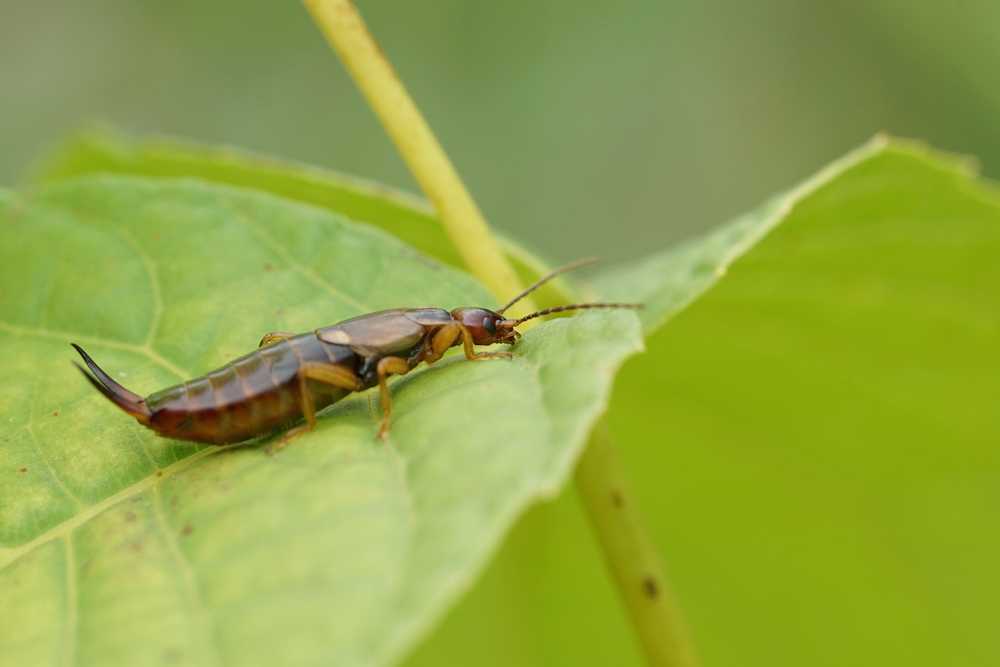
Are Earwigs Harmful? Understanding the Risks and Benefits of Earwigs
Are earwigs harmful? While earwigs might look menacing with their prominent pincers, they are generally harmless to humans. They don’t transmit diseases or cause significant harm, though they can be a nuisance. In this article, we’ll break down the risks, benefits, and behaviors of earwigs, and share practical ways to manage them effectively.
- Earwigs are generally harmless to humans and do not transmit disease.
- They can damage certain garden plants, but they also help by eating aphids and other soft-bodied pests.
- Prevention focuses on reducing moisture, removing hiding spots, sealing entry points, and using simple traps.
Are Earwigs Dangerous to Humans?
Many people wonder if earwigs are dangerous, but they are not. Earwigs do not transmit diseases or pose significant health risks. Although their appearance can be unsettling, they are mainly a nuisance.
Earwigs use their pincers (cerci) primarily for defense. If threatened, they may pinch, but this is uncommon and usually causes only minor redness or brief discomfort. In rare cases, someone may have a mild skin reaction, but serious issues are extremely unlikely.
Can Earwigs Bite or Sting
Earwigs do not sting, and they do not bite like mosquitoes or fleas. If an earwig pinches, it is using its pincers defensively. The pinch may startle you and can occasionally scratch the skin, but it is not dangerous and does not involve venom.
Earwig Habitats
Earwigs prefer cool, moist, dark environments and are most active at night. Outdoors, they hide under rocks, mulch, leaf litter, wood piles, and dense vegetation. They also tuck into crevices around plants and garden beds where they can stay protected and hydrated.
Earwigs may enter homes during hot, dry weather or after heavy rain, usually in search of moisture and shelter. Common indoor areas include basements, bathrooms, laundry rooms, and spots near leaky pipes. They do not invade homes to “attack” people. They simply look for favorable conditions.
Reducing moisture and sealing entry points can significantly lower indoor sightings.
Are Earwigs Harmful to Plants and Gardens?
Earwigs can damage gardens, especially tender plants. They feed on flowers, seedlings, leafy vegetables, and soft fruits. Seedling vegetables and annual flowers are often the most vulnerable.
Damage typically appears as irregular holes and ragged edges on leaves, which can look similar to caterpillar feeding. Earwigs may also feed on soft fruits like strawberries and raspberries. Checking plants at night with a flashlight can help confirm whether earwigs are causing the damage.
In many cases, earwig damage is localized and manageable once you reduce moisture, remove hiding spots, and use traps near problem areas.
The Role of Earwigs in the Ecosystem
Despite their reputation, earwigs can be beneficial. They eat aphids, insect eggs, larvae, and other soft-bodied pests, which helps reduce pest pressure in gardens. Because they feed on insects that can cause significant plant damage, earwigs sometimes act as natural helpers in a balanced garden.
How to Prevent Earwig Infestations
Prevention focuses on making your home and yard less appealing to earwigs.
Seal gaps and cracks around doors, windows, foundations, and utility penetrations with quality caulk. Reduce moisture indoors by fixing leaks and improving ventilation. In damp areas, a dehumidifier can also help.
Outside, clear away leaf litter, dense groundcover, and decaying organic debris around the foundation. Trim vegetation back from exterior walls, and avoid overmulching near the home. Watering in the morning can help garden areas dry out before earwigs become active at night.
Natural Traps and Remedies
Simple traps can reduce earwig numbers without harsh chemicals. Place rolled-up newspapers, burlap bags, or bamboo tubes near garden beds or damp areas where earwigs hide. In the morning, shake them out into a bucket of soapy water.
Low-sided containers with vegetable oil can also work as traps. Placing traps in shaded areas near problem spots usually produces the best results.
When to Seek Professional Help
If you’re seeing increasing numbers indoors, or if earwigs keep returning despite moisture control and trapping, professional pest control can help. A technician can identify the underlying moisture or entry-point issues and recommend a targeted plan for lasting relief.
Are Earwigs Harmful or Helpful?
Earwigs are not inherently dangerous to humans, but they can be annoying indoors and can damage certain plants in gardens. At the same time, they can help by feeding on aphids and other soft-bodied pests. With moisture control, basic prevention, and simple traps, most earwig problems can be managed effectively.
Frequently Asked Questions
Are earwigs dangerous to humans? Are Earwigs Harmful?
Earwigs are not dangerous to humans; they do not transmit diseases and their pinches are typically harmless.
Can earwigs bite or sting humans? Do Earwigs Bite or Sting?
Earwigs do not bite or sting, as they primarily use their pincers for defense. While their pincers can cause minor discomfort, they are not harmful to humans.
Where are earwigs commonly found? Where Do Earwigs Crawl?
Earwigs are commonly found in moist places such as wood piles, under rocks, leaf litter, and in crevices. They may also invade homes in search of food and shelter.
How can I prevent earwig infestations? How to Prevent Earwigs from Entering Homes?
To prevent earwig infestations, seal entry points, control moisture with dehumidifiers, remove decaying organic matter, and use natural traps like burlap bags and soapy water. Implementing these measures will significantly reduce the chances of earwigs entering your space.
When should I seek professional help for an earwig infestation? When to Call Pest Control for Earwigs?
You should seek professional help for an earwig infestation if you’re observing a significant increase in their numbers, as this often signals a more severe issue that requires expert intervention.