Argentine Ant: Identification and Control Tips
Argentine ants are a major nuisance in many parts of the world. How do you identify Argentine ants, and, more importantly, how can you control their spread? This article covers everything you need to know about these invasive pests: their identification, behavior, ecological impact, and effective control strategies regarding the Argentine ant.
Understanding Argentine Ants
Argentine ants, scientifically known as argentine ant linepithema humile, hail from the Paraná river drainage areas of Northern Argentina, Uruguay, Paraguay, Bolivia, and southern Brazil. Initially a benign resident of these regions, the Argentine ant has transformed into one of the world’s most invasive species, earning a spot among the top 100 invasive pests. Human activity has largely facilitated their spread to every continent except Antarctica, contributing to the argentine ant invasion.
People first identified Argentine ants in California in 1907, and they have since proliferated in the coastal and southern regions of the state, thriving in its favorable climate. Unlike many native ant species, Argentine ants adapt remarkably well to new environments, making them exceptionally successful invaders. This adaptability combines with their unicolonial nature, where multiple interconnected nests function as a single supercolony, enhancing their resilience and spread.
The presence of Argentine ants causes more than just a nuisance; it poses a significant threat to local biodiversity. These ants outcompete other ant species, disrupt native ecosystems, and even facilitate the proliferation of pest insects by protecting them in exchange for honeydew.
Gaining knowledge about the Argentine ant plays a crucial role in managing their impact and maintaining ecological balance.
Physical Characteristics of Argentine Ants
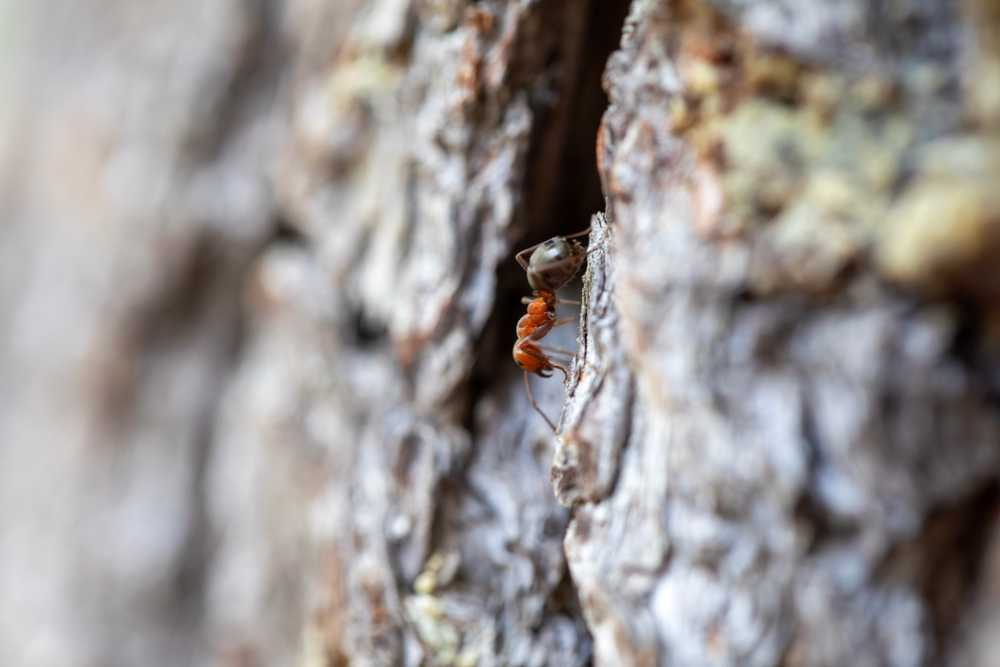
Recognizing Argentine ants is essential for effective management. These slender, uniformly shaped ants average between 2.6 to 3.2 mm in length. Their coloration ranges from dark brown to medium reddish-brown, making them relatively easy to spot against different backgrounds. One distinct feature is their single-node petiole, a small segment between the thorax and abdomen, which sets them apart from many other ant species.
Another identifying characteristic is the slight musty odor they emit when crushed. While they lack a sting, Argentine ants can bite if provoked, although their bites generally do not harm humans. The queens, which play a pivotal role in the colony, have relatively long antennal scapes, distinguishing them from the workers.
Habitat and Distribution
The native habitat of Argentine ants lies closely tied to the Paraná river drainage in Brazil, Paraguay, Argentina, and Uruguay. Within this region, they typically dwell within 10 kilometers of a major river. However, human activities have facilitated their spread far beyond these boundaries, leading to their presence in diverse regions across the globe.
Today, Argentine ants inhabit Australia, New Zealand, Tasmania, New Guinea, sub-Saharan Africa, Madagascar, North America, Central and South America, Europe, and Asia. Their ability to thrive in disturbed habitats like urban areas, forests, agricultural fields, and shrublands has contributed to their widespread distribution.
Regional Presence
In the United States, Argentine ants have established significant populations, particularly in Florida and California. In California, they prevail in coastal regions and urban environments, often near rivers. These areas provide the mild winters and moderate to high humidity that Argentine ants favor.
Beyond the United States, Argentine ants have made their presence felt in Europe, particularly in the Iberian Peninsula, France, and the Mediterranean region. In Greece, they commonly inhabit tourist resorts, botanical gardens, grasslands, and urban areas. Their adaptability to various climates and environments underscores their invasive potential and the challenges in controlling their spread.
Environmental Preferences
Argentine ants thrive in environments that provide moisture and shelter, often creating nests in urban settings where landscaping offers these conditions. They typically nest in soil, under covering objects, old termite mounds, and under bark. In more urbanized areas, you can find them nesting under wood and debris, in sandy soil, under rocks, and even in cracks in pavement. Keeping areas clean and sanitary helps prevent Argentine ants from invading structures.
Their nests typically extend only 1 to 2 inches into the soil. This preference for disturbed habitats and proximity to human activity makes them a ubiquitous presence in many regions. Their ability to adapt to various nesting sites further complicates efforts to control their populations.
Reproduction and Colony Structure
Argentine ants form massive “supercolonies” made up of many connected nests. Unlike many ant species, they often have multiple queens in the same network of nests, and the ants typically don’t fight each other between nearby colonies. This structure lets them spread quickly, rebound after partial treatments, and maintain heavy foraging trails.
Because reproduction happens within the nest network and new nests can branch off easily, eliminating only the ants you see rarely solves the problem. The most effective control focuses on reaching the whole colony, which is why baiting and long-term prevention usually work better than quick surface sprays.
Behavior and Communication
Argentine ants exhibit fascinating behaviors and communication methods that contribute to their invasive success. They hinder pollination by displacing native pollinators, adversely impacting native flora.
Additionally, they facilitate the proliferation of pest insects by protecting exchange for honeydew, creating a mutually beneficial relationship that can exacerbate pest problems.
Foraging Techniques
Argentine ants forage efficiently, primarily during daylight hours. They establish trails that other ants follow to food sources, allowing them to systematically locate and collect food. This organized foraging behavior gives them a competitive edge over native species, often enabling them to dominate available food resources.
These trails prove crucial for their foraging success, ensuring that food sources undergo quick and efficient exploitation. By foraging mostly during the day, Argentine ants maximize their chances of finding food before other ant species, contributing to their invasive potential.
Pheromone Use
Pheromones play a vital role in communication and coordination among Argentine ants. They identify nest mates through a shared colony odor on their cuticle, made up of hydrocarbons. This recognition system helps maintain colony integrity and prevents conflicts among colony members.
Ants also use pheromones to establish and maintain foraging trails, ensuring efficient location and exploitation of food sources. By releasing pheromones, Argentine ants communicate vital information about food locations, nest status, and threats, enabling effective interaction within their colony.
Impact on Ecosystems
Argentine ants profoundly impact local ecosystems, often disrupting the balance by outcompeting native ant species and impacting food webs. Their competitive foraging behaviors and ability to recruit large numbers of workers to food sources give them an edge over native species. This displacement of native ants leads to reduced biodiversity and significant shifts in ecosystem dynamics.
Moreover, Argentine ants facilitate higher populations of plant-feeding insects by protecting them in exchange for honeydew, negatively impacting agricultural ecosystems. Their presence also causes declines in native pollinators, affecting the pollination of native plants. The cumulative effect of these disruptions underscores the need for effective management strategies to control Argentine ant populations.
Displacement of Native Species
Argentine ants often cause declines in native ant populations, disrupting local food webs and ecosystem functions. They outcompete native species by finding food sources faster, foraging longer, and recruiting larger worker numbers. This competitive edge allows them to dominate native ants and other insects, eventually killing off or displacing them.
Argentine ants also disrupt seed dispersal processes, negatively impacting native plant populations. By displacing native pollinators, they cause difficulties for native plants that rely on these pollinators for reproduction. The resulting decline in native plants further diminishes biodiversity and alters local ecosystems.
Mutualistic Relationships
Argentine ants maintain mutualistic relationships with honeydew-producing insects, including aphids and coccids. These insects provide a vital carbohydrate source for the ants, which consume it in exchange for protection from predators. This relationship can increase populations of these pest insects, exacerbating problems for agriculture and native plant species.
New Argentine ant colonies primarily consume protein-rich prey, supporting their rapid growth and establishment. As the colony matures, its dietary preferences shift towards carbohydrate-rich honeydew, highlighting the dynamic nature of its mutualistic relationships.
These interactions further underscore the complex and often detrimental impact Argentine ants have on ecosystems and agriculture.
Control and Management Strategies
Controlling Argentine ants proves challenging due to their large numbers and interconnected supercolony structure. However, various strategies effectively manage their populations.
These include cultural controls, mechanical methods, and chemical interventions.
Cultural and Mechanical Controls
Cultural controls focus on altering the environment and local management practices to make areas less hospitable to Argentine ants. This includes maintaining cleanliness, removing food and water sources, and using physical barriers to prevent ants from entering buildings. Employing a combination of sanitation, exclusion, and baiting techniques proves crucial for effective management.
Mechanical controls involve directly managing pests through physical methods. Sealing entry points with materials like caulk prevents Argentine ants from accessing indoor spaces. Regular inspections and physical removal of visible ants using a mixture of soap and water also help reduce their numbers.
Chemical Controls
Chemical controls, including pesticides, play a vital role in managing Argentine ant infestations. However, indoor sprays generally do not prevent further infestations. Instead, baiting systems prove more effective, targeting the entire colony by allowing worker ants to carry poisoned bait back to the nest.
Effective baiting requires careful placement and timing, ensuring that the bait remains appealing and accessible to ants. Combining chemical controls with cultural and mechanical methods provides a more comprehensive and sustainable approach to managing Argentine ant populations.
The Argentine ant, with its remarkable adaptability and invasive potential, poses a significant challenge to ecosystems and economies worldwide. From their physical characteristics and life cycle to their behavior and impact on native species, understanding these ants proves crucial for effective management. Their ability to form large, interconnected colonies and their competitive foraging strategies allow them to dominate native species, leading to ecological imbalances and economic losses.
Effective control and management strategies require a multifaceted approach, combining cultural, mechanical, and chemical methods. By maintaining cleanliness, using physical barriers, and employing targeted baiting systems, you can mitigate the impact of Argentine ants. For homeowners and land managers facing these persistent invaders, professional pest control services provide the expertise and resources needed to tackle Argentine ant infestations effectively.
Frequently Asked Questions
What are the identifying features of Argentine ants?
Argentine ants have a slender, uniform shape, measure 2.6 to 3.2 mm in length, and exhibit dark brown to medium reddish-brown coloration. Additionally, they emit a faint musty odor when crushed.
How do Argentine ants impact local ecosystems?
Argentine ants significantly disrupt local ecosystems by outcompeting native ant species and altering food webs, while also facilitating the growth of pest insects by offering protection in exchange for honeydew. Their invasive nature threatens biodiversity and ecosystem stability.
What are effective methods for controlling Argentine ant populations?
To effectively control Argentine ant populations, maintain cleanliness to eliminate food and water sources, seal entry points to reduce access, and employ chemical baiting systems for targeted intervention. These methods collectively help reduce ant presence significantly.
Why are Argentine ants considered a significant economic threat?
Argentine ants pose a significant economic threat due to their global economic losses exceeding $51 billion, primarily impacting agriculture and increasing management costs. Their invasion causes substantial agricultural damage, affecting public welfare and economic stability.
How can Gopher Patrol help with Argentine ant infestations?
Gopher Patrol effectively manages Argentine ant infestations through professional pest control services and targeted strategies. Contact them for a free consultation and benefit from their promotional offer to safeguard your property.