Top Bed Bug Exterminator Tips and Tricks for Effective Pest Control
Are bed bugs invading your space? This guide explains how to spot an infestation, what DIY steps can help, and when to call a professional bed bug exterminator. With the right approach, you can eliminate bed bugs and reduce the chances of them coming back.
- Early detection matters. Watch for bites, stains, dark spotting, eggs, shed skins, and a musty odor.
- Severe infestations often require professional treatment for thorough, reliable results.
- The most effective plans typically combine heat, targeted insecticides, and careful preparation.
Identifying Bed Bug Infestations
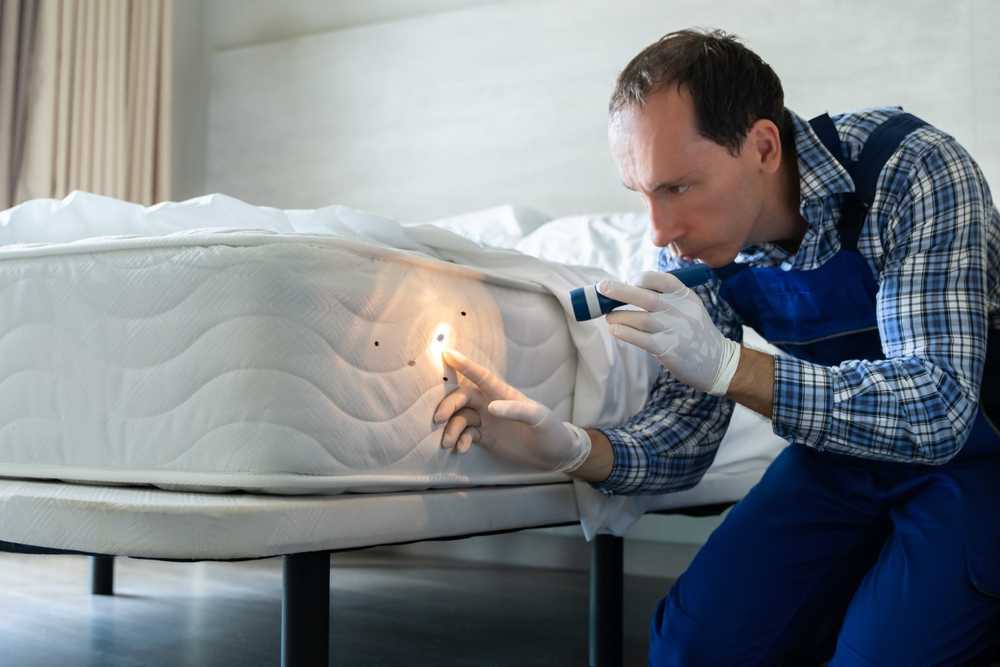
Catching bed bugs early can save time, money, and stress. Common signs include bites that appear in clusters or lines, reddish stains on bedding from crushed bugs, and dark spots (fecal staining) along mattress seams, bed frames, and nearby crevices. You may also find tiny pale eggs and shed skins, and some infestations produce a musty odor.
Bed bugs are small, reddish-brown, and oval-shaped. They hide during the day and come out at night to feed. Inspect mattress seams, box springs, headboards, bed frames, and furniture joints, especially in rooms where people sleep.
Professional Bed Bug Exterminators
Bed bugs reproduce quickly and hide in places that are difficult to treat thoroughly with store-bought products. Professionals can confirm the infestation, identify where bed bugs are hiding, and apply a coordinated treatment plan that targets all life stages.
Professional service can also reduce the risk of reinfestation by pairing treatment with prevention steps, such as sealing cracks, improving monitoring, and advising on how to handle bedding, furniture, and personal items. If DIY steps are not working or the activity is spreading, calling a professional early often saves time and prevents a bigger problem.
Effective Bed Bug Treatment Methods
The most effective bed bug control usually involves combining heat, targeted insecticides, and mechanical removal (vacuuming, laundering, and encasements). Using multiple methods helps address bed bugs in hidden areas and across different life stages.
Heat Treatments
Heat is one of the most reliable methods for killing bed bugs and eggs. Professional heat treatments raise indoor temperatures to levels bed bugs cannot survive. For household items, you can also use heat safely by placing clothing and bedding in a dryer on high heat for at least 30 minutes.
Heat treatments work well because they reach bed bugs inside fabric folds and small hiding spaces, and they do not rely on chemical exposure. Proper execution matters, which is why whole-home heat treatments are typically handled by professionals.
Chemical Treatments
Targeted insecticides can help eliminate bed bugs in cracks, crevices, and hiding areas where heat may be harder to apply. Professionals often use a combination of residual products and insect growth regulators (IGRs) to improve long-term control and reduce reinfestation risk.
Some severe cases may require multiple visits to fully eliminate bed bugs, especially when activity is widespread or when bed bugs are present in wall voids or furniture.
Preparing Your Home
Preparation improves results and reduces the chance of bed bugs spreading. Start by reducing clutter so treatment can reach baseboards, furniture seams, and other hiding spots. Wash and dry bedding and clothing using high heat, and store clean items in sealed bags or containers.
Vacuum carefully along mattress seams, bed frames, baseboards, and furniture edges, and immediately seal and dispose of vacuum contents. Mattress and box spring encasements can trap any remaining bugs and make monitoring easier.
How to Prevent Bed Bug Reinfestation
Bed bugs often hitchhike into homes through travel and secondhand items. When traveling, check mattress seams and headboards, keep luggage off the bed, and store clothing in sealed bags. When returning home, wash and dry travel clothing on high heat and inspect luggage before storing it.
Be cautious with used furniture and mattresses. Inspect seams, cracks, and joints before bringing items indoors. Ongoing monitoring, including periodic inspections and interceptors under bed legs, can help catch early signs before infestations grow.
Common Myths
A common myth is that bed bugs transmit diseases. They can cause itchy bites and discomfort, but evidence does not support disease transmission. Another misconception is that bed bugs only bite in the dark. Bed bugs prefer darkness, but they will feed in lit rooms if they are hungry.
Accurate information helps you take the right steps and avoid wasting time on ineffective approaches.
Signs It’s Time to Call a Professional
Call a professional if you notice repeated signs of bed bugs, if bites and spotting continue after DIY efforts, or if the problem appears to be spreading to multiple rooms. Bed bugs hide in hard-to-reach places, and effective eradication often requires multiple treatments and follow-up monitoring.
If you suspect bed bugs and want the most reliable results, professional treatment is usually the fastest way to eliminate the infestation and reduce the risk of recurrence.
Choosing the Right Exterminator
Look for an exterminator with proven bed bug experience, clear treatment plans, and transparent pricing. Ask what methods they use (heat, residual insecticides, IGRs, follow-ups), and confirm they are properly licensed and insured. Reviews and testimonials can help, but focus on whether customers report complete resolution and good communication.
Bed bugs can be difficult to eliminate without a coordinated plan. Early identification, proper preparation, and a combination of heat and targeted treatments offer the best chance of success. If bed bug activity persists or spreads, calling a professional exterminator can help eliminate the infestation thoroughly and protect your home long-term.
Frequently Asked Questions
How to get rid of bed bugs?
To effectively eliminate bed bugs, wash all linens in hot water and dry them on high heat for at least 20 minutes, then encase your mattress and pillows in certified bed bug covers. Additionally, declutter your space and seal any cracks and crevices to prevent re-infestation.
Is it possible to 100% get rid of bed bugs?
While it is possible to effectively eliminate bed bugs using heat treatments, achieving a 100% eradication is challenging due to their potential to reinfest from surrounding areas shortly after treatment. Comprehensive approaches addressing all potential sources of infestation are essential for successful long-term management.
Is an exterminator worth it for bed bugs?
Hiring an exterminator for bed bugs is worth it, especially if you’re dealing with an infestation, as they can effectively eliminate these pests quickly and safely. Although it may involve a significant cost, professionals have the expertise to handle the situation more efficiently than DIY methods.
What are the common signs of a bed bug infestation?
The common signs of a bed bug infestation include visible bites on the skin, reddish stains on bedding, dark spots from excrement, eggs, shed skins, and a musty odor. Identifying these signs promptly can help you address the issue more effectively.
Why should I hire a professional bed bug exterminator?
Hiring a professional bed bug exterminator is essential because they utilize advanced methods and stronger pesticides, ensuring effective elimination of bed bugs and minimizing the risk of future infestations. This investment not only saves you time and effort but also offers long-term financial benefits.