Top Picks for the Best Mouse Bait: Expert Recommendations That Work
Choosing the best mouse bait is key to catching mice quickly and efficiently. This guide will show you the top bait options, including peanut butter, chocolate, and other alternatives that really work.
- Understanding mouse behavior and preferences, such as their nocturnal nature and foraging habits, significantly enhances baiting success.
- High-calorie baits like peanut butter, chocolate, soft cheese, and fatty foods are top choices for attracting mice to traps, while alternative options like pet food, birdseed, and sunflower seeds can also be effective.
- Proper baiting practices, including using the right amount of bait, strategic trap placement near entry points, and minimizing human scent, are crucial for maximizing mouse capture rates.
Understanding Mouse Behavior
Understanding the behavior of the house mouse is key to effectively baiting your mouse traps. Being nocturnal, mice are most active at night searching for food. This nocturnal nature is why you might hear scurrying sounds in the middle of the night or find evidence of their presence come morning. This knowledge allows you to set your traps at optimal times, increasing the likelihood of catching mice.
Mice have diverse tastes, often influenced by food availability and personal preferences. They are known to forage for various food types, from seeds to high-calorie sweets and fatty foods. Wild mice, for example, frequently consume birdseed, particularly sunflower and pumpkin seeds, which appeal to their natural foraging instincts.
Recognizing that mice are opportunistic feeders who seek out both high-protein and high-fat food sources can enhance your trapping success.
Top Baits for Mouse Traps
Selecting the right bait for mouse traps can determine your success. Mice love high-calorie foods, both sweet and savory. Top recommendations include peanut butter, chocolate, and soft cheese.
These baits are highly attractive due to their aroma, taste, and alignment with a mouse’s dietary preferences.
Peanut Butter
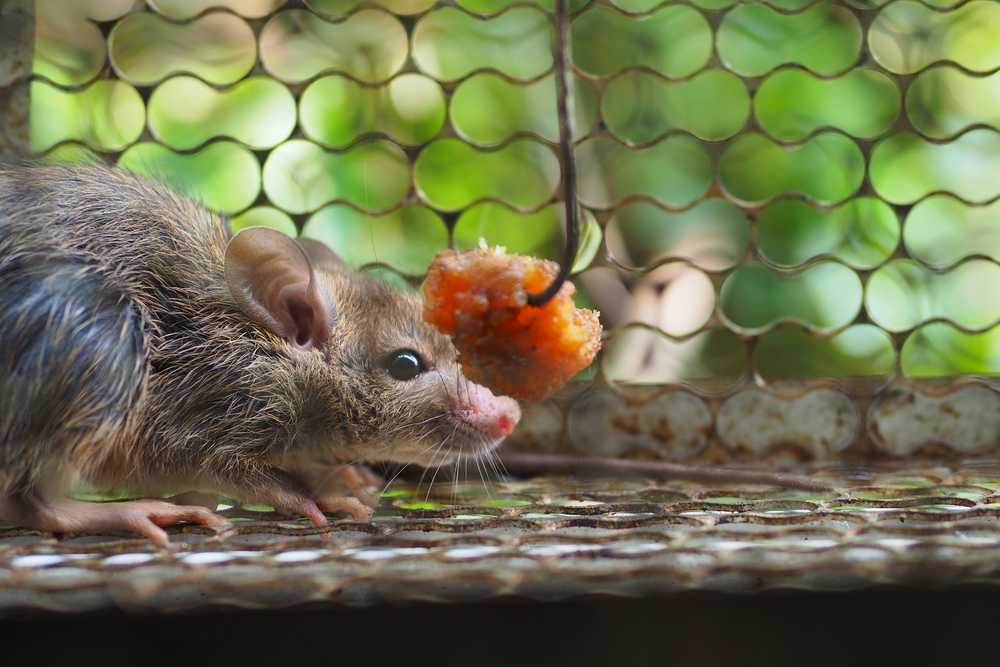
Peanut butter is commonly considered the king of mouse bait for multiple reasons. The substance’s strong aroma makes it appealing to mice. Its sticky texture also makes it more enticing. Its high-calorie content offers an irresistible treat for mice. The stickiness of peanut butter ensures mice engage with the trap’s trigger, increasing the likelihood of a catch. Enhancing peanut butter with a small amount of hazelnut spread can further increase its allure.
To enhance its effectiveness, try adding a small amount of peanut butter to nesting materials like cotton balls or dental floss. This strategy lures mice and encourages deeper engagement with the bait, increasing the chances of triggering the trap.
Chocolate
Chocolate, with its strong aroma and high-calorie content, is another excellent bait. Mice are naturally drawn to sweet treats, making chocolate an ideal choice. Both milk chocolate and regular chocolate bars effectively lure mice to traps. Combining chocolate and peanut butter, like in peanut butter cups, leverages the strengths of both baits for greater effectiveness.
Other effective baits like oatmeal and nuts can be combined with chocolate to create a varied and appealing trap setup, keeping the bait fresh and interesting for mice and increasing your chances of success.
Soft Cheese
Soft cheese remains a highly effective and classic choice for mouse traps, with its strong, savory aroma being particularly enticing to mice. The potent smell of certain cheeses can be particularly effective in drawing mice towards the traps.
Other savory options, like bacon, dog food, cat food, pet food, and hot dogs, can be used with soft cheese to create a varied bait strategy. This diversity is useful in attracting multiple rodents and increasing trap effectiveness.
Alternative Bait Options
Traditional baits like peanut butter, chocolate, and cheese may sometimes be ineffective. Exploring alternative bait options, including the best bait, can provide the edge needed to capture elusive pests.
Pet Food
Wet pet food is an excellent alternative bait for mouse traps, with its strong aroma and palatability. Combining various types of pet food, particularly protein-rich ones like beef jerky, can enhance its effectiveness.
Place tiny bits of pet food on traps and change the bait regularly to maintain its appeal and potency, increasing the chances of drawing mice into the traps.
Birdseed and Nuts
Birdseed and nuts align with the natural foraging behavior of mice, making them effective bait options. Sunflower and pumpkin seeds, staples in a wild mouse’s diet, can be particularly appealing.
Incorporating birdseed and nuts into your bait strategy can significantly improve your chances of capturing mice. These options provide nutrition and resonate with a mouse’s foraging instincts, encouraging them to engage with the traps.
Cotton Balls and Nesting Materials
Cotton balls and other nesting materials like dental floss can be surprisingly effective. Mice instinctively seek materials that provide comfort and insulation for nests.
Soaking cotton balls in attractants like peanut butter or soft cheese can make them even more enticing for mice, combining the appeal of nesting materials with the lure of food.
Best Practices for Baiting Mouse Traps
Selecting the right bait is only part of the equation; implementing best practices for baiting mouse traps significantly improves success rates.
Too much bait can reduce effectiveness by allowing mice to steal bait without triggering the trap. Using a small amount – about the size of a pea or tiny bits – is often more effective, encouraging mice to engage with the trap without evading capture.
When applying peanut butter or fruit jam, lightly coat the trap’s trigger on traditional snap traps or electric traps with sensitive sensors. This helps maintain the bait’s potency and increases the chances of a successful catch, utilizing an effective trap mechanism.
Proper Trap Placement
Trap placement is crucial for success. Since mice often travel along walls, placing traps in these paths significantly improves capture rates. Positioning traps facing the wall simplifies bait access for mice.
Setting traps in pairs in areas with high mouse activity can maximize capture potential. Using multiple traps increases the chances of catching multiple rodents, especially female mice, who may have different foraging habits.
Using bait stations and bucket traps can also improve safety and effectiveness, especially in homes with pets or children.
Avoiding Human Scent
Mice are wary and can be deterred by human scent. Handling bait and mouse traps without transferring your scent is crucial. Always wear gloves when setting up bait and traps to avoid scent transfer, especially if you have encountered dead mice.
Using a small dab of bait and placing glue traps in strategic locations, such as along walls, helps avoid leaving human scent where mice frequent, ensuring traps remain highly attractive.
When Your Bait Isn’t Working
If your bait isn’t working, troubleshoot and adjust your strategy. Common issues include improper placement, unappealing bait, stale bait, and human scent on traps. Changing the bait every two days or if it becomes stale helps maintain its potency and aroma.
Try introducing traps by placing them baited but unset for a few days to acclimate mice. If traditional baits are ineffective, experiment with different baits like soft candies, gum drops, or high-calorie sweets, which have strong scents that attract mice.
If traps remain consistently ineffective, consulting pest control services for professional solutions is a wise choice.
Benefits of Professional Rodent Control
When DIY methods fall short, professional rodent control becomes necessary. Expert technicians can accurately identify pests, crucial for effective treatment. They offer tailored pest control plans based on specific infestations and property needs, significantly reducing the mouse and rat population.
Effectively baiting mouse traps involves understanding mouse behavior, choosing the right bait, and following best practices for trap placement and baiting. Top baits like peanut butter, chocolate, and soft cheese are highly effective, but alternative options like pet food, birdseed, and cotton balls can also enhance your trapping success.
When traditional methods fail, consulting professional rodent control services can provide the expertise and tailored solutions needed to manage mouse infestations effectively. Don’t let mice take over your home – take action today and enjoy a pest-free environment.
Frequently Asked Questions
What is the best bait for mouse traps?
Peanut butter is the best bait for mouse traps because of its strong aroma and sticky texture, which attract mice effectively. Using it increases your chances of successfully catching them.
How often should I change the bait in mouse traps?
To ensure effectiveness, change the bait in mouse traps every two days or sooner if it becomes stale. This keeps the bait fresh and appealing to rodents.
Where should I place mouse traps for the best results?
For the best results, place mouse traps along walls, facing them, and set them in pairs in high-activity areas. This strategy targets the natural travel paths of mice effectively.
Why isn’t my bait working in mouse traps?
Your bait may not be working due to improper trap placement, unappealing bait, or human scent on the traps. Consider regularly changing the bait and experimenting with different baits for better results.
When should I call a professional for rodent control?
You should call a professional for rodent control if DIY methods are consistently ineffective, as they can offer tailored solutions and greater peace of mind.