Understanding Brown Recluse Bite Stages: Symptoms and Treatment
Worried you might have been bitten by a brown recluse? Don’t panic—but don’t ignore it either! This detailed guide will walk you through the fascinating yet alarming brown recluse bite stages, from the initial subtle symptoms to the progression over days, and what long-term effects might look like. Knowing what to expect can make all the difference in seeking timely medical treatment and avoiding serious complications.
- Early signs of a brown recluse spider bite often start innocently enough—with mild redness, itching, and swelling. But beware: without proper care, these mild bites can escalate to intense pain, blistering, and even tissue necrosis caused by brown recluse spider venom.
- Symptoms can ramp up quickly over the first week, with risks of severe skin infections and dead skin that demand prompt medical attention to prevent serious complications.
- Prevention is your best defense! Home maintenance, protective clothing like long sleeves and gloves, and professional pest control services are key to keeping brown recluse and other venomous spider bites, including black widow spider bites, at bay.
- Did you know? Brown recluse spiders are shy creatures that prefer to avoid humans. Most bites happen when the spider feels trapped, often when someone unknowingly disturbs their hiding spot—like reaching into an old box or putting on a shoe left untouched for months.
Initial Symptoms of a Brown Recluse Bite
At first glance, a brown recluse spider bite might seem harmless—just a bit of redness here, a flat purple or whitish ring there, and maybe some faint fang marks. But don’t be fooled! This is the beginning of brown recluse spider toxicity kicking in. The bite area may feel itchy and irritated, sometimes resembling common insect bites or bug bites, making it easy to overlook.
First Few Hours
In the initial hours after being bitten by a brown recluse, you might notice mild redness, itchiness, and slight irritation—almost like a pesky bug bite. This can feel like a mild rash or an allergic reaction, and while uncomfortable, it’s usually not alarming yet.
First 24 Hours
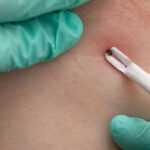
Within the first day, the bite site often becomes more dramatic. Look out for fang marks and a blister forming near that distinctive dark violin-shaped mark—yes, the very same marking that gives the brown recluse its violin spider nickname. Swelling and pain intensify as the spider injects venom that’s starting to work its way through your tissues.
If you notice increased redness or blistering, it’s time to take action. Immediate medical attention can help manage symptoms and prevent severe reactions and other symptoms.
Progression Over Days
The days following a brown recluse bite can be a rollercoaster of symptoms. A blister may appear within hours, accompanied by severe pain and swelling that can make even the lightest touch unbearable. The bite area often turns red and inflamed, sometimes spreading beyond the initial site.
Some unlucky victims experience nausea, vomiting, severe itching, muscle pain, and other troubling symptoms. The venom can cause bacterial infections and necrosis—tissue death—that, if untreated, may lead to serious complications.
Day 2-3
By days two to three, pain usually reaches extreme levels. The swelling intensifies, and the blister becomes more pronounced. This is when many people realize something is seriously wrong and seek medical care.
Necrosis may begin, turning the skin dark and lifeless. It’s a critical time to monitor the bite closely and get professional help.
Day 4-7
Between days four and seven, the bite area can darken dramatically to a deep blue or black, signaling tissue death and possible infection. Dead skin and open sores might develop, making the wound look alarming.
This stage demands medical supervision. Treatments like pain relievers and antibiotic creams are essential to combat infection and ease discomfort.
Long-Term Effects
Severe brown recluse bites can leave lasting scars—literally. Deep ulcers and dead tissue may require skin graft surgery to restore the area and prevent further damage. Healing times vary widely; some wounds mend slowly over weeks, while others need surgical intervention.
Week 2-4
During weeks two to four, symptoms can range from mild redness to severe tissue damage. Chronic wounds may develop, increasing the risk of bacterial infections. Medical treatments may include wound care and, in serious cases, surgery to remove necrotic tissue.
Month 1-3
Over the following months, a scab forms and eventually falls away, often leaving a crater-like scar. While most brown recluse bites heal without lasting issues, some severe cases require ongoing medical care to manage complications.
- In very rare cases, brown recluse bites can cause systemic reactions affecting organs, making it vital to watch for unusual symptoms and seek immediate medical attention.
Identifying a Brown Recluse Spider
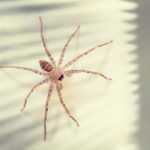
Spotting a brown recluse spider can be tricky, but knowing what to look for can save you from a nasty surprise. These spiders belong to the Loxosceles genus, often called ‘fiddleback’ or ‘violin’ spiders, thanks to their signature dark violin-shaped mark on their backs. Unlike most spiders with eight eyes, brown recluse spiders have six eyes arranged in pairs, forming a unique triangular pattern.
They love warm, dry, undisturbed places like crawl spaces, attics, basements, and closets—especially in the southern and midwestern United States where brown recluse spiders live.
Physical Traits
Brown recluse spiders are small but distinctive. Their color ranges from light to dark brown, with long, thin legs and a compact body about the size of a quarter. The dark violin-shaped mark contrasts sharply with their lighter body, making them identifiable if you look closely.
Preferred Habitats
These spiders prefer dry, dark environments and are commonly found in homes across the central and southern U.S., from Texas to Kansas and east to Ohio. They hide in crawl spaces, storage rooms, inside furniture, and closets—the perfect spots to remain unseen.
Unlike many other spiders, brown recluses avoid green vegetation or moist areas, preferring to build small webs behind objects where they can stay hidden.
- Female black widows, often confused with brown recluses, have a shiny black body with a red hourglass marking. Knowing the difference can help you identify which spider you’re dealing with.
Immediate Actions After a Bite
If you suspect you’ve been bitten by a brown recluse, act fast! First, wash the bite area gently with soap and water to reduce infection risk. Apply a cold compress wrapped in cloth to ease pain and swelling—remember the RICE method (Rest, Ice, Compression, Elevation).
Never try to extract venom; this only worsens tissue damage. Instead, apply an antibiotic cream to prevent infection and take pain relievers as needed.
If you notice boils, ulcers, or the wound becomes hot, hard, or increasingly painful, seek medical attention immediately. Systemic symptoms like fever or dizziness require urgent care.
Clean the Bite Area
Cleaning is your first line of defense. Use mild soap and water to wash the area carefully. After drying, apply an antibiotic ointment to prevent bacterial infections. Elevate the limb to reduce swelling and promote healing.
Apply a Cold Compress
A cold compress can work wonders to reduce pain and inflammation. Apply it for 10-20 minutes at a time, ensuring it’s wrapped in a cloth to protect your skin.
Seek Medical Attention
Don’t hesitate to see a healthcare provider, especially if you experience severe pain, muscle or joint pain, or unusual symptoms like fever or dizziness. Early medical intervention can prevent complications and speed recovery.
- In rare cases, a brown recluse bite can mimic symptoms of Lyme disease, so accurate diagnosis by a medical professional is essential.
When to See a Doctor
Ignoring a brown recluse bite can lead to serious complications like skin infections, cellulitis, sepsis, and systemic loxoscelism—a rare but life-threatening reaction.
If infection spreads, aggressive treatment including IV fluids, antibiotics, and sometimes surgery may be necessary. Watch for symptoms like cramping, headache, dizziness, rash, or fever, and seek immediate care if they occur.
Signs of Infection
Look for increased swelling, warmth, or cloudy drainage from the bite site. These signs indicate infection and require prompt medical attention to avoid severe health issues.
Systemic Reactions
Systemic loxoscelism may cause muscle pain, fever, and other serious symptoms. Without treatment, it can be fatal. Severe necrosis might need surgical removal or skin grafts, and hospitalization for supportive care.
Preventing Brown Recluse Bites
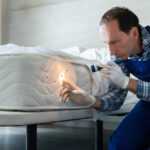
Prevention is better than cure! Keep your home clean and clutter-free, especially in crawl spaces, attics, and basements where brown recluse spiders love to hide. Seal cracks and gaps around windows and doors to keep them out.
Organize storage areas and seal entry points to reduce spider habitats. Regular cleaning and inspections help spot spider activity early.
Wear long sleeves and gloves when working in areas where spiders may lurk. This simple step can protect you from bites and potential infections.
Professional Help
If you suspect brown recluse spiders in your home, don’t wait. Contact pest control experts for thorough inspections and effective treatments. Their honest, reasonably priced services have helped many customers eliminate pests and protect their homes.
Understanding the brown recluse bite stages—from subtle early symptoms to severe long-term effects—empowers you to act quickly and protect yourself. Recognize the signs, take immediate action, and seek medical care when needed. And remember, prevention through home maintenance and professional pest control is your best defense against these venomous spiders and their dangerous bites.
Frequently Asked Questions
What happens if a brown recluse bite goes untreated?
Untreated bites can cause severe tissue damage, necrosis, and ulcers requiring surgery like skin grafts. Rarely, systemic effects may harm major organs.
Should I go to the ER for a brown recluse bite?
Yes. Prompt treatment is critical to prevent complications. If possible, bring the spider for identification.
What do the stages of a brown recluse bite look like?
They start with redness, progress to blistering, intense pain, and may lead to open sores and dead tissue as necrosis develops.
What are the initial symptoms of a brown recluse bite?
Mild redness, itching, and irritation that can worsen to swelling and intense pain.
When should I seek medical attention after a brown recluse bite?
If you experience severe pain, muscle pain, fever, or signs of infection like swelling or cloudy drainage, seek medical care immediately.