Brown Recluse vs House Spider: Key Differences and Identification Tips
Spotting a spider in your home can send your heart racing, especially when you’re trying to figure out whether it’s a harmless house spider or a brown recluse. This guide breaks down the key differences with easy identification tips, simple habitat clues, and what to do if you think you’ve found one. By the end, you’ll feel much more confident about what you’re looking at and what steps to take next.
- Brown recluse spiders (Loxosceles reclusa) have six eyes arranged in three pairs and may show a violin-shaped marking, though markings can vary.
- Common house spiders usually have eight eyes, variable patterns, and build visible, messy webs in corners.
- Prevention is straightforward: seal entry points, reduce clutter, and limit indoor insects that attract spiders. For recurring issues, professional help can be worth it.
Identifying Brown Recluse Spiders
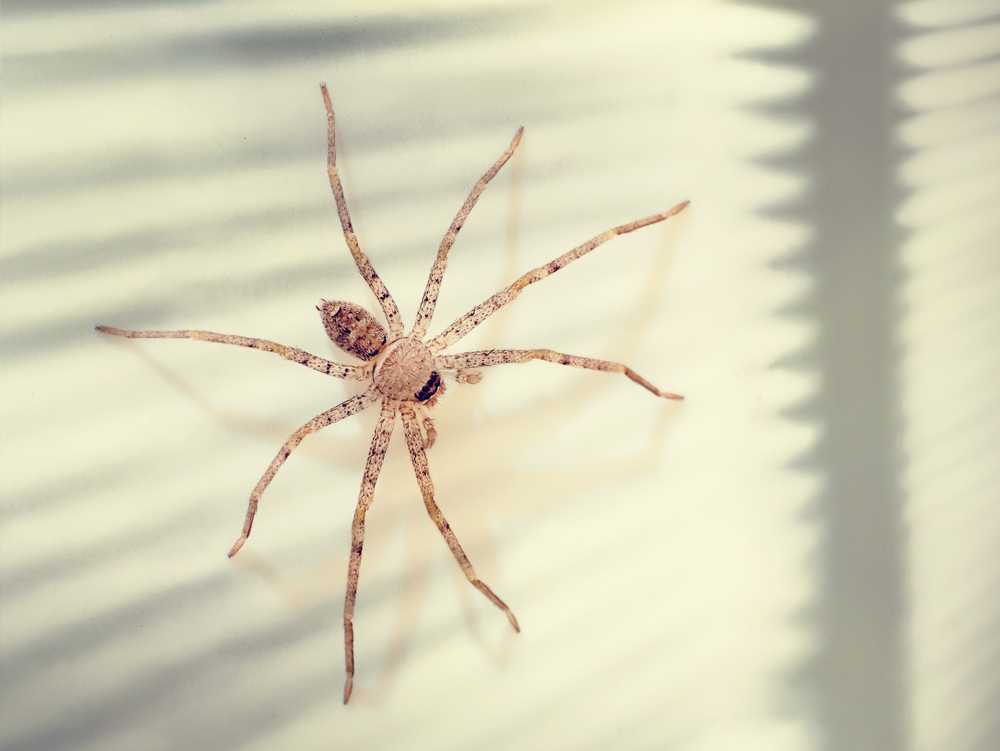
Brown recluse spiders have a reputation that’s part mystery, part menace. They’re typically light tan to medium brown with long, slender legs and a smooth, unhairy appearance. One of their most unique traits is their six eyes, arranged in three pairs.
They may also show a darker “violin” shape on the cephalothorax (the front body section), with the “neck” pointing toward the abdomen. That said, lighting and natural variation can make markings harder to see, so it’s best to use multiple clues, not just the violin.
Size and Legs
Brown recluses are often described as “about the size of a quarter,” but that can vary depending on the spider and how its legs are positioned. Look for a slim body and long, thin legs rather than a bulky, hairy build.
Color and Markings
Most brown recluses have a fairly uniform tan-to-brown color. The violin marking can be present, faint, or hard to spot, so don’t rely on that feature alone.
Eye Arrangement
Brown recluses have six eyes, not eight. They’re grouped in three pairs, which is unusual among common household spiders.
Identifying Common House Spiders
“Common house spider” is a broad term, but most of the spiders people find indoors share a few traits. They usually have eight eyes, come in shades of brown, gray, or tan, and often show some kind of patterning, such as mottling, striping, or banding. Compared to a brown recluse’s more uniform look, house spiders often appear “busier” in color and markings.
You’ll also notice their behavior tends to be more visible. Many house spiders build irregular, messy webs in corners, near ceilings, around window frames, or along baseboards, especially in quiet areas where insects gather. Because they stay near their webs and food sources, homeowners are more likely to spot them during normal daytime activity than they are to spot more reclusive species.
Habitat Preferences
Brown recluses prefer quiet, undisturbed areas where they can stay hidden. Common hiding spots include storage boxes and closets, garages, basements, sheds, and seldom-moved items like shoes, gloves, folded clothing, and clutter under beds or behind furniture. They’re far less likely to hang out in open, high-traffic areas.
House Spider Habitat
House spiders are more likely to show up where insects gather and where webs can stay undisturbed. Common spots include upper corners of rooms, ceilings, window frames, basements, garages, and along baseboards, especially in quiet areas. Their webs are often visible, which makes them easier to notice than more reclusive species.
Health Risks and Bite Symptoms
Most spider bites are mild, and many “spider bites” turn out to be something else. Still, knowing the differences helps.
Brown Recluse Bites
Brown recluse bites can be serious, but not every bite becomes severe. Reactions vary. Some bites cause mild irritation, while others may develop into a larger sore or blister over time. If you suspect a brown recluse bite, especially if symptoms worsen, seek medical advice promptly, particularly for children, older adults, or anyone with compromised health.
House Spider Bites
Most house spider bites are uncommon and typically mild, causing temporary redness or itching. Unless you have an allergy, they usually don’t require more than basic first aid.
Preventing Spider Infestations
Sealing entry points is one of the most effective ways to reduce spider activity indoors. Check around doors, windows, and the foundation for small cracks or gaps, and seal them with caulk or weather stripping. Repair torn window screens and add door sweeps to close the gap under exterior doors, since spiders and the insects they feed on can slip inside through surprisingly small openings.
Reducing clutter also makes a big difference. Spiders love quiet, undisturbed hiding spots, so keeping storage areas tidy helps limit places they can settle in. Outdoors, move wood piles, debris, and thick ground cover away from the home, and trim vegetation back from the foundation. Fewer hiding spots near the house usually means fewer spiders making their way inside.
Natural repellents can be a helpful extra step for small problem areas, but they work best alongside basic prevention. Some homeowners use peppermint or eucalyptus oil sprays around entry points, corners, and storage areas. While these can discourage activity, sealing and decluttering are still the most reliable long-term solutions.
When to Call Professional Pest Control
If you’re seeing frequent spider activity, finding egg sacs, or suspecting a medically significant spider (like a brown recluse or black widow), it may be time to call a professional. An expert can help confirm identification, locate hiding areas, and reduce the conditions that keep spiders coming back.
Frequently Asked Questions
What are the key differences between brown recluse spiders and common house spiders?
Brown recluses are larger, have six eyes arranged in pairs, a distinctive violin-shaped marking, and prefer dark, secluded areas. House spiders are smaller, have varied colors, spin visible messy webs, and are more active during the day.
What should I do if I suspect a brown recluse spider bite?
Seek immediate medical attention as brown recluse bites can cause necrotic lesions and significant tissue damage. Early treatment is crucial.
How can I prevent spider infestations in my home?
Seal cracks and gaps, reduce clutter and wood piles, and consider using natural repellents like essential oils to deter spiders.
When should I call professional pest control for a spider infestation?
If you notice multiple spiders, egg sacs, or webs, indicating a significant infestation, contact professional pest control for safe and effective treatment.
What other spider species might I encounter in my home?
Other common spider species found indoors include wolf spiders, yellow sac spiders, hobo spiders, spitting spiders, and black widow spiders. Professional pest control can help manage these as well.