Effective Cockroach Control Techniques
Have you encountered an unwanted roach infestation? Don’t panic. This guide covers how to identify the most common cockroach species and the proven strategies used to eliminate them. You’ll learn how to spot early warning signs and control roach populations by understanding their movement patterns, hiding places, and behaviors.
Knowing which cockroach species you’re dealing with and how it behaves is one of the most effective tools for prevention and control. Catching early indicators such as droppings, egg cases, and a musty odor can help stop a small problem from becoming a full-blown infestation. The most effective approach combines excellent sanitation with multiple control methods. If the infestation is severe or persistent, contact a professional pest control provider.
Common Cockroach Species
Before you begin treatment, identify the species. Control strategies vary because different cockroaches prefer different hiding spots. Typical home invaders include:
- German cockroach
- Oriental cockroach
- American cockroach
- Brown banded cockroach
- Pennsylvania wood cockroach
Understanding where cockroaches hide, such as cracks, crevices, wall voids, and crawl spaces, and how they reproduce helps you control them more effectively.
German Cockroach
The German cockroach (Blattella germanica) is a compact, resilient pest that measures about 17 mm long. It is light brown with two dark stripes behind the head. German cockroaches prefer warm, humid areas such as kitchens and bathrooms and often hide under appliances, inside cabinets, and around refrigerators and dishwashers.
Females carry the egg case until it hatches, releasing about 30 nymphs. The life cycle from egg to adult typically ranges from 55 to 68 days. Because these roaches spend most of their time hidden, infestations can grow quickly before you notice them.
Oriental Cockroach
Oriental cockroaches prefer cooler, damp environments such as basements and crawl spaces. They are dark brown to black and have short wings, and females cannot fly.
Their life cycle can take up to 18 months, with each female producing roughly 200 offspring per year. Females produce egg cases containing about 16 eggs and hide them in protected, moist areas.
American Cockroach
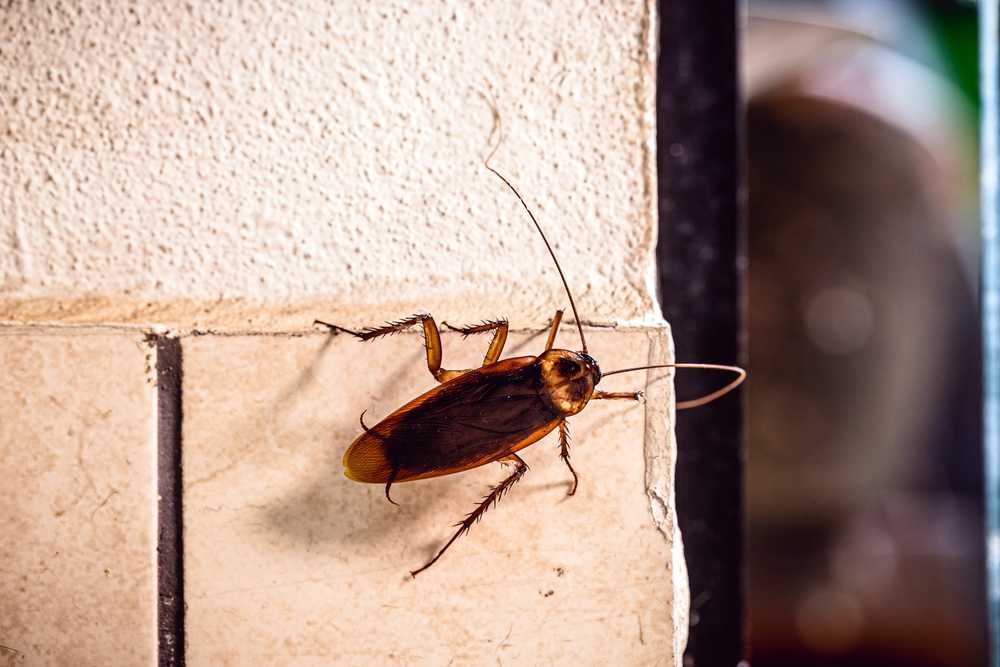
American cockroaches are one of the largest common species, growing to about 1.5 inches long. They are reddish-brown and thrive in hot, humid areas such as steam tunnels, basements, and sewer systems, but they can also move indoors near food and water sources.
Females carry the egg case for about six days before depositing it. Their life cycle may last around 15 months, and a single female can produce hundreds of offspring over time.
Brown-Banded Cockroach
Brown-banded cockroaches resemble German cockroaches in size but are light to medium brown with faint banding across the wings. They prefer warm, dry areas and often hide in electronics and high wall voids.
Adult males can fly, while females have reduced wings. Development from egg to adult varies widely, typically ranging from 95 to 276 days depending on conditions.
Pennsylvania Wood Cockroach
Pennsylvania wood cockroaches primarily live outdoors in woodpiles, leaf litter, loose bark, and dead trees. Males are strong fliers and are often attracted to lights during mating season. Females have reduced wings and do not fly.
They may enter homes through firewood or small gaps, but they do not usually establish indoor infestations.
Identifying Cockroach Infestations
Early detection improves your chances of controlling roaches quickly. Watch for droppings, egg cases, and a musty odor. These signs help pinpoint activity areas and assess severity.
Droppings
Cockroach droppings look like small, dark pellets or cylindrical specks. You often find them in kitchen storage areas, under sinks, and near food preparation surfaces. Dropping size and shape can also help narrow down the species.
Egg Cases
Female cockroaches produce egg cases called oothecae. These small capsules vary by species in size and color and are commonly found in dark, protected areas such as behind appliances, under furniture, and inside cabinets.
Odors
Cockroaches can produce a strong oily or musty smell that becomes more noticeable as the population increases. A persistent odor often signals an established infestation.
Effective Sanitation Practices
Sanitation is the first line of defense, cutting off cockroaches’ access to food, water, and shelter.
Store pet food and human food in insect-proof containers to prevent contamination and reduce the risk of food poisoning. Regularly clean food preparation surfaces, floors, and hidden spots to remove food debris and spills. Pay special attention to stove surfaces, drains, and vents.
Dispose of trash regularly and store food properly overnight. Use tightly sealed bins and maintain cleaning schedules to prevent cockroach access.
Cockroach Control Methods
Cockroach control works best when you combine multiple methods.
Sticky traps help monitor activity, locate hot spots, and track progress over time.
Boric acid acts as a slow-acting stomach poison. Apply a very light dusting in cracks and crevices, and avoid overapplying. Diatomaceous earth damages the roach’s outer coating, causing dehydration.
Gel baits attract cockroaches, which consume the bait and spread it to other roaches through contact and feeding. Apply gel baits in cracks and crevices near hiding areas.
Bait stations hold bait in enclosed containers, helping reduce exposure risks to children and pets. Place them along common travel routes near food, water, and harborage areas.
Additional Control Considerations
Cockroaches hide in tight, protected spaces such as cracks and crevices, behind appliances, under sinks, inside cabinets, and within wall voids. Focus your efforts on these areas by placing baits and traps where roaches travel and nest, not in open areas where you simply see them passing through.
Some products provide quick relief but rarely solve the root problem. Sprays and repellents may kill roaches on contact, but they often push survivors deeper into hiding and do not eliminate the infestation. Total-release foggers are generally not recommended because they cannot reach the hidden spaces where roaches live and can scatter roaches into new areas.
Because cockroaches can survive on small amounts of food and water, long-term control works best when you combine sanitation, exclusion, monitoring, and targeted products. Integrated pest management (IPM) is the most reliable approach for reducing populations over time and preventing reinfestation.
Emerging pests like Turkestan cockroaches also reinforce the importance of ongoing prevention. These roaches often live outdoors in compost piles and potted plants but can enter homes through open entry points. Regular inspections, sealing gaps, and keeping outdoor areas tidy can help reduce the risk of new roach activity.
Professional Pest Control Services
Professional pest control may be necessary when infestations are severe or DIY methods aren’t working. Experts can identify harborage areas, recommend exclusion improvements, and apply treatments safely and effectively. Ongoing monitoring helps prevent reinfestations and keeps your home roach-free.
Early detection, strong sanitation, and strategic baiting form the foundation of effective cockroach control. When you combine monitoring, targeted treatments, and exclusion methods, you can reduce roach activity and prevent future infestations. Understanding cockroach behavior and movement helps you defend your home from these persistent pests.
Frequently Asked Questions
What are the most common cockroach species found in homes?
German, Oriental, American, Brown banded, and Pennsylvania wood cockroaches are the most common.
How can I identify a cockroach infestation?
Look for droppings, egg cases, and a strong musty smell.
What sanitation practices help prevent cockroach infestations?
Store food in sealed containers, clean food preparation surfaces regularly, and dispose of waste properly.
What are effective methods for controlling cockroach populations?
Sticky traps, boric acid, diatomaceous earth, insecticidal gel baits, and bait stations.
When should I seek professional pest control services?
When infestations are severe or resistant to DIY methods, professional integrated pest management is recommended.