Effective Ways to Control Termites: Prevention and Treatment Tips
Termites can cause significant damage by feeding on the wood and other cellulose-based materials inside a home. Because much of this activity happens behind walls, beneath flooring, or underground, an infestation may go unnoticed until the damage becomes extensive.
Effective control for termites begins with recognizing the warning signs, reducing conditions that attract them, and selecting the appropriate treatment. This guide explains how to identify termite activity, prevent future infestations, and determine when professional termite treatment may be necessary.
How to Identify a Termite Infestation
Early identification is one of the most important parts of termite control. Termites can remain hidden inside walls, wooden supports, crawl spaces, and other concealed areas for long periods.
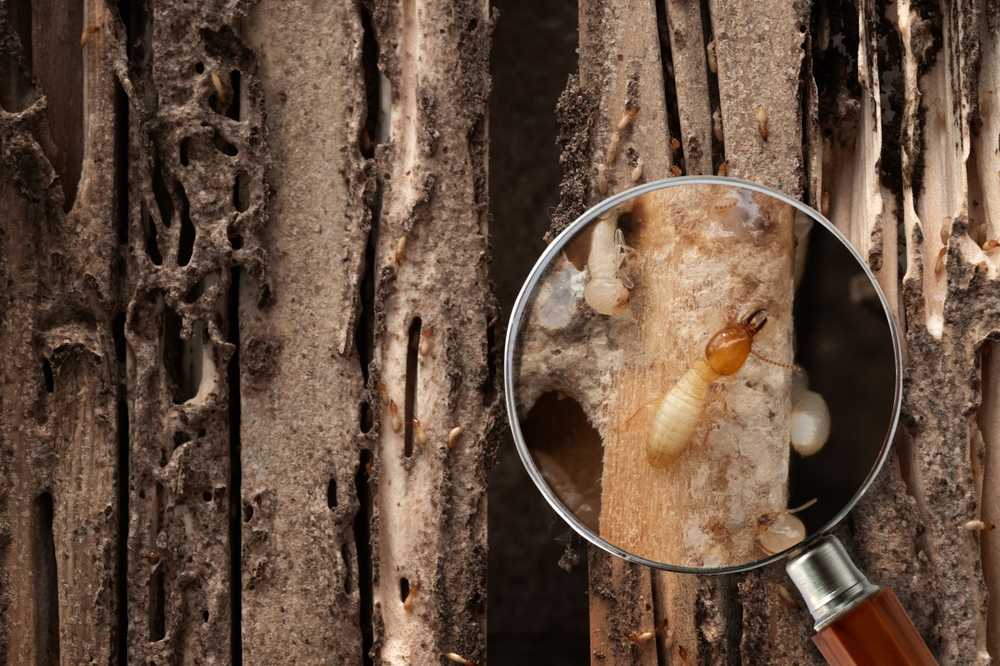
Homeowners may not see live termites, but they can often spot evidence of a developing infestation. Mud tubes, discarded wings, damaged wood, and small piles of termite droppings may all indicate activity.
Taking action as soon as these signs appear can help limit the spread of the infestation and reduce the risk of costly repairs.
Common Types of Termites
The type of termite present can influence where the colony is located and which treatment method will be most effective.
Subterranean Termites
Subterranean termites live underground and build colonies in the soil. They travel between the colony and a food source through protective mud tubes.
These termites commonly enter homes through foundation cracks, plumbing openings, expansion joints, and areas where wood touches the soil.
Drywood Termites
Drywood termites establish colonies directly inside dry wood and do not require regular contact with soil. They may infest wooden framing, furniture, doors, trim, and other structural materials.
Because drywood termite colonies can remain concealed inside the wood, professional inspection may be needed to determine the extent of the infestation.
Dampwood Termites
Dampwood termites prefer wood with high moisture content. They are often associated with water-damaged lumber, leaking plumbing, poor drainage, or areas with persistent moisture.
Correcting the underlying moisture problem is an important part of controlling this type of termite.
Signs of Termite Activity
Common warning signs of a termite infestation include:
- Mud tubes along foundations, walls, or crawl-space supports
- Discarded wings near windows, doors, or other entry points
- Wood that sounds hollow when tapped
- Blistered, cracked, or uneven wood surfaces
- Small holes in damaged wood
- Piles of drywood termite droppings
- Swarming insects around the home
- Doors or windows that suddenly become difficult to open
Some of these signs can also be caused by moisture damage or other wood-destroying insects. A professional inspection can confirm whether termites are responsible.
How to Prevent Termites
Preventing an infestation is generally easier than treating a well-established colony. Termite prevention focuses on limiting access to the structure and eliminating the moisture and food sources termites need.
Reduce Moisture Around the Home
Termites are more likely to be found in damp areas. Homeowners can reduce moisture by:
- Repairing leaking faucets, pipes, and air-conditioning lines
- Directing gutters and downspouts away from the foundation
- Improving drainage around the property
- Ventilating crawl spaces
- Replacing water-damaged wood
- Avoiding excessive watering near the foundation
Keeping the soil around the home relatively dry can make the property less attractive to subterranean termites.
Prevent Wood-to-Soil Contact
Wood that directly touches the soil can provide termites with easy access to a home.
Maintain visible separation between the soil and wooden siding, framing, decks, posts, and other structural materials whenever possible. Firewood, lumber, cardboard, and wooden debris should also be stored away from the foundation and elevated above the ground.
Mulch can retain moisture and contain cellulose materials, so it should be used carefully near the home. Avoid piling mulch directly against siding or foundation openings.
Seal Potential Entry Points
Small cracks and openings can give termites access to the structure. Inspect and seal gaps around:
- Utility lines
- Plumbing penetrations
- Foundation cracks
- Expansion joints
- Exterior trim
- Windows and doors
Sealing these areas does not guarantee that termites will stay out, but it can reduce potential entry points.
Use Termite-Resistant Construction Practices
During construction or renovation, several practices can help reduce termite risk:
- Use treated or termite-resistant building materials where appropriate.
- Avoid burying scrap wood or construction debris near the foundation.
- Install physical termite barriers in vulnerable areas.
- Maintain access to foundation walls for future inspections.
- Keep wooden structural materials separated from the soil.
- Address drainage and ventilation before construction is completed.
Preventive measures are generally easier to install during construction, although some systems can be added to existing homes.
Non-Chemical Termite Control Methods
Non-chemical termite control methods focus on blocking termite access and changing the environmental conditions that support an infestation.
These methods may be used independently for prevention or combined with chemical treatments as part of a larger termite management plan.
Physical Barriers
Physical barriers are installed around vulnerable parts of a structure to make termite entry more difficult.
Examples include:
- Stainless-steel mesh barriers
- Graded sand barriers
- Metal shields
- Termite-resistant construction materials
These barriers are most commonly installed during construction, although certain products may be added during renovations or repairs.
Physical barriers do not necessarily eliminate an existing colony. Their primary purpose is to reduce hidden access and make termite activity easier to detect.
Environmental Modifications
Environmental changes can support termite prevention and treatment by making the property less attractive to termites. Repairing leaks, correcting drainage problems, removing decaying wood, and improving ventilation can reduce the moisture and food sources that support termite activity.
These changes may not eliminate an established colony on their own, but they can reduce the risk of future infestations.
Chemical Treatments for Termites
Chemical termite treatments may be recommended when an active infestation is discovered or when a property has a high risk of termite activity.
The appropriate treatment depends on the termite species, colony location, construction of the home, and severity of the infestation.
Liquid Termiticides
Liquid termiticides are typically applied to the soil around or beneath a structure. The treatment creates a protective zone that helps prevent subterranean termites from entering the building.
Some products repel termites, while non-repellent products allow termites to move through the treated area without immediately detecting it. Exposed termites may then transfer the active ingredient to others in the colony.
Applying a liquid termiticide may require trenching, drilling, or specialized injection equipment. These treatments should be performed according to the product label and applicable regulations.
Termite Bait Systems
Bait systems use strategically placed stations to detect and control subterranean termites.
Worker termites consume the bait and carry it back to the colony. Because the active ingredient works gradually, it can spread among other termites over time.
Bait stations require ongoing monitoring and maintenance. They may take longer to produce results than some liquid treatments, but they use targeted amounts of product and can support long-term termite management.
Localized Wood Treatments
Localized treatments may be applied directly to infested or vulnerable wood. Products can include liquids, foams, dusts, or borate-based materials.
These treatments may be appropriate when the affected area is accessible and the infestation is limited. However, treating only the visible damage may not address termites elsewhere in the structure.
DIY vs. Professional Termite Control
Homeowners can purchase termite sprays, foams, wood treatments, and bait stations for limited or accessible activity. However, termite colonies often extend beyond the visible damage, and surface treatments may not reach termites hidden behind walls or beneath foundations.
DIY treatment can also make it difficult to identify the termite species, locate the colony, and determine whether the infestation has been fully eliminated.
When to Call a Professional
Professional treatment is generally recommended when termites are found inside the home, mud tubes appear along the foundation, swarmers repeatedly emerge indoors, or structural wood shows signs of damage.
A termite inspection can determine the species involved, identify affected areas, and help establish the most appropriate treatment. Depending on the infestation, treatment may include liquid termiticides, bait stations, direct wood applications, or a combination of methods.
Choosing a Pest Control Company
Before selecting a pest control company, confirm that it is properly licensed and ask for a written inspection report. The report should explain the termite species, affected areas, recommended treatment, follow-up schedule, and any warranty or retreatment terms.
Comparing multiple estimates can help homeowners understand the available options, but the lowest price may not provide the most complete treatment or coverage.
Why Annual Termite Inspections Matter
Termites can remain hidden for long periods, making regular inspections an important part of prevention. A professional can check foundation walls, crawl spaces, wooden framing, plumbing penetrations, and other areas where termite activity may develop.
Annual inspections are especially helpful for homes with previous termite activity, ongoing moisture problems, wooden features near the soil, or a history of termite treatment.
Monitoring stations may also be installed around the property to detect subterranean termite activity. These stations require routine inspection and should be used alongside regular property maintenance and structural inspections.
Frequently Asked Questions
How can I identify a termite infestation in my home?
To identify a termite infestation, look for hollow-sounding wood, discarded wings, mud tubes, and visible damage to wooden structures. Early detection of these signs is crucial for effective treatment.
What are the common species of termites I should be aware of?
It’s important to be aware of subterranean, drywood, and dampwood termites, as they each have unique characteristics and behaviors that can affect your home. Understanding these species can help in effective prevention and treatment strategies.
Are DIY termite control methods effective?
DIY termite control methods can provide relief for minor infestations but often fall short in completely eradicating the colony or addressing deeper issues. For severe cases, seeking professional services is a more reliable and effective solution to ensure thorough termite elimination and long-term protection.
What should I expect from a professional termite control service?
You can expect a professional termite control service to conduct a detailed inspection of your property and develop a tailored treatment plan. They utilize specialized equipment and effective chemicals to ensure thorough and lasting termite management.
Why are annual termite inspections important?
Annual termite inspections are crucial for early detection of hidden termite activity, which can save you from costly damages. Regular evaluations ensure effective treatment and long-term protection for your property.