Do Ants Bite or Sting?
Many ants can bite, some can sting, and several species do both during a single attack. Fire ants, for example, grip your skin with their mandibles and then sting repeatedly, injecting venom that causes intense burning and white pustules. Understanding the difference between ant bites and ant stings helps you treat reactions properly and know when to seek professional help.
Most ants can bite using their mandibles, but only certain species have stingers that inject venom into human skin. Fire ants and harvester ants are the most aggressive stinging ants in the U.S., capable of causing painful bites, burning sensations, and allergic reactions. A bite creates a pinch and minor itching, while a sting delivers ant venom that may cause welts, blisters, or severe swelling. Most ant bites and stings are mild, but multiple stings or reactions in highly allergic individuals can lead to difficulty breathing or anaphylactic shock.
What Is an Ant?
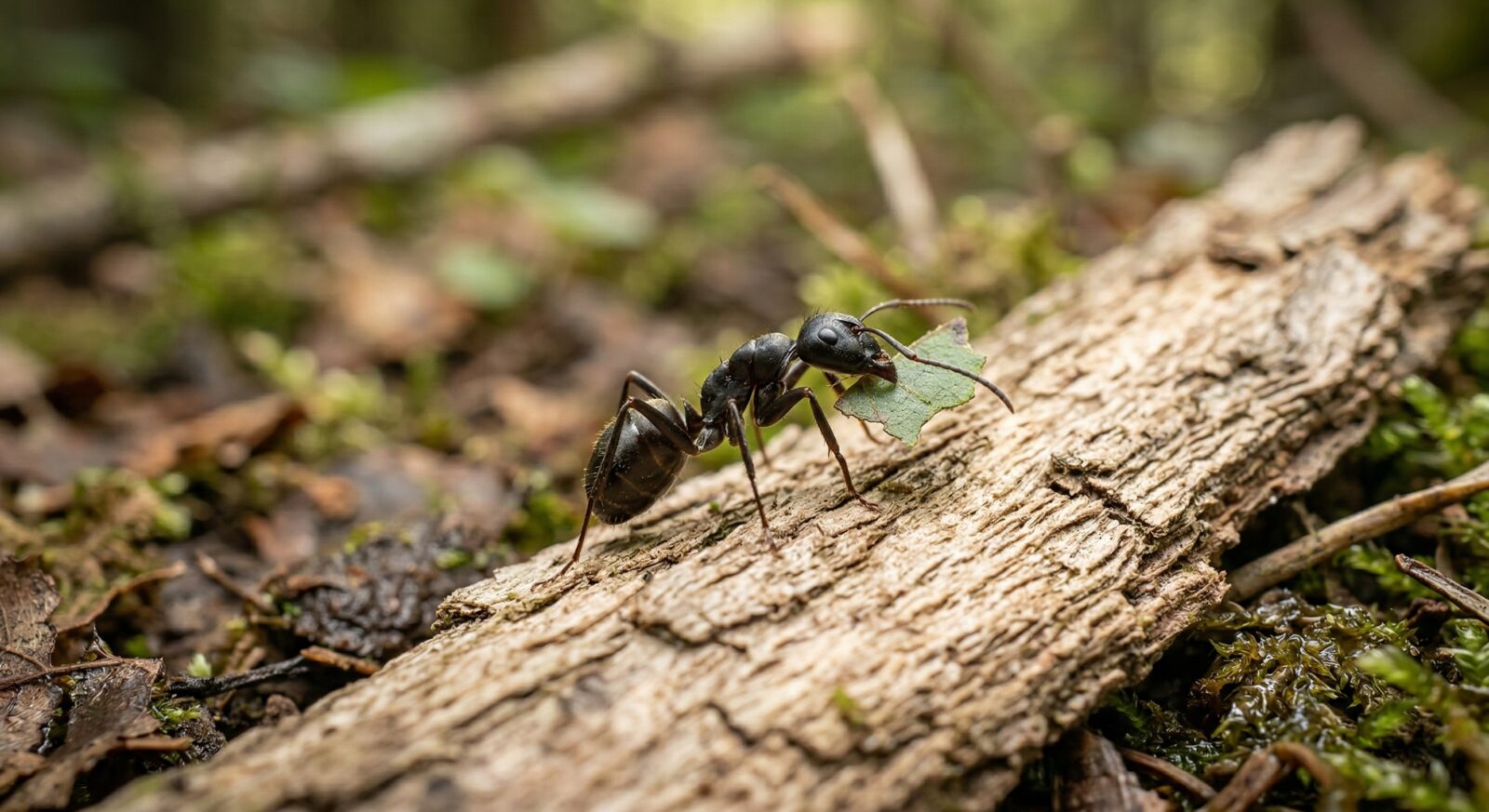
Ants are social insects that live in colonies with workers, soldiers, and a queen. They belong to the same insect order as bees and wasps, which helps explain why some species can bite, sting, or do both. Ants use their mandibles for biting, carrying food, and defense, and some species also have a stinger that injects venom when they feel threatened.
Around homes and yards, ants commonly nest in soil, under rocks, in rotting wood, along sidewalks, or inside wall voids. Because worker ants defend the colony, people and pets are most likely to get bitten or stung when they disturb a nest or mound.
What Is an Ant Bite or Sting?
An ant bite occurs when an ant clamps its mandibles onto your skin, creating a pinching sensation. An ant sting happens when the ant uses a stinger at the end of its abdomen to inject venom into your body. Many ants first bite to anchor themselves firmly, then arch their body to sting in the same spot, which increases pain and skin damage.
In the U.S., common ants like fire ants, harvester ants, and some field ants can both bite and sting. Carpenter ants mainly bite without venom injection, relying on their strong jaws to defend themselves. When ants sting, they release compounds like formic acid or alkaloid toxins that cause a burning sensation, itching, swelling, and sometimes blisters or white pustules on the skin.
Young children, older adults, and people with known insect venom allergies face higher risks of stronger reactions. If bites or stings happen frequently around your home or business, a nearby ant colony likely needs attention. Professional pest control can locate and treat these nests before they cause more problems.
Which Ants Bite and Which Sting?
Many ants can bite, sting, or do both, but only a few species commonly cause painful reactions for people. Fire ants are the most aggressive because they bite to hold on and then sting repeatedly, often leaving painful, white pustules within a day. Harvester ants also sting and can cause significant swelling and throbbing pain.
Other species are usually less serious. Carpenter ants mainly bite with their jaws and may leave a painful welt, while pavement ants, little black ants, Argentine ants, and field ants typically cause mild irritation. Even when the reaction is minor, identifying the species can help determine whether the problem is mostly a nuisance or a more serious pest issue.
Who Gets Ant Bites and Stings, and How Common Are They?
Ant bites and stings are common, especially in warmer states during late spring, summer, and early fall. People often get stung or bitten while gardening, mowing, walking barefoot, playing in the yard, or disturbing nests hidden in grass, soil, or landscaping.
Children, gardeners, landscapers, and pets are among the most likely to encounter aggressive ants because they spend more time near nesting areas. If bites or stings happen often around your property, that may point to one or more established colonies nearby that need attention.
Ant Bite Effects
Reactions to ant bites and stings can range from barely noticeable to severe. The outcome depends on the ant species, the number of bites or stings, and the person’s individual sensitivity. Most people have localized symptoms, but some may develop larger or more serious reactions.
Common reactions include:
- Mild local reactions: Small red bumps, stinging pain, itching, and mild swelling that may last a few hours to a couple of days.
- Fire ant sting reactions: Intense burning pain followed by redness and white pustules that may itch for a week or longer.
- Large local reactions: Significant swelling, heat, redness, and blistering that can last up to a week.
- Systemic reactions: Hives, flushing, itching, nausea, or lightheadedness beyond the sting site.
- Severe reactions (anaphylaxis): Trouble breathing, swelling of the lips or throat, dizziness, or a sudden drop in blood pressure. Call emergency services right away.
While severe reactions are rare, fire ants and harvester ants are more likely to trigger them than most other species. People with a history of severe reactions should talk with their doctor about emergency medication.
Are Ant Bites and Stings Dangerous?
Most ant bites and stings in the U.S. are annoying but not life-threatening. Single stings from small household ants cause minor discomfort. However, certain ants and certain people face higher risks.
Multiple fire ant or harvester ant stings can cause significant pain, swelling, and temporary difficulty walking or using a limb. A swarm attack from a disturbed fire ant mound can deliver dozens of stings in seconds, overwhelming the body with venom.
The main medical risks include secondary infection from scratching pustules, large local swelling due to venom sensitivity, allergic reactions such as hives and breathing problems, and anaphylactic shock, which can cause a drop in blood pressure and even death without treatment.
Young children, older adults, people with asthma, and those highly allergic to insect stings should be monitored closely after encounters with aggressive ants.
Keep an eye on bite or sting sites for warmth, spreading redness, or pus that may suggest infection requiring medical attention. For yards with heavy ant activity, professional ant control may be the safest long-term solution.
How to Treat Ant Bites and Stings
Most mild ant bites and stings respond well to simple first aid at home. The first step is to move away from the nest or mound and remove any ants from the skin quickly. After that, clean the area and treat symptoms such as pain, itching, and swelling. Severe symptoms, however, require immediate medical attention.
Basic care steps include:
- Brush ants off quickly: Remove ants from the skin without slapping or crushing them.
- Move away from the area: Leave the mound or nest right away to avoid additional bites or stings.
- Wash the skin: Clean the affected area with soap and cool water.
- Use a cold compress: Apply ice or a cold pack wrapped in cloth for 10 to 15 minutes to reduce swelling and numb pain.
- Reduce itching and swelling: Use an over-the-counter anti-itch cream or oral antihistamine if needed.
- Manage pain: Take a pain reliever as directed if discomfort continues.
Important precautions include:
- Do not scratch or pop fire ant pustules: This can increase the risk of infection and may lead to scarring.
- Keep the area clean: Cover it if needed to help protect irritated skin.
Seek medical attention if you notice rapidly spreading swelling beyond the sting site, signs of infection such as increasing warmth, redness, or pus, difficulty breathing or chest tightness, swelling of face, lips, or tongue, nausea, vomiting, feeling faint, or symptoms worsening after 2-3 days instead of improving.
Pets with facial swelling, drooling, or trouble walking after multiple stings need veterinary care promptly. Dogs and cats can experience severe reactions just like humans.
How to Prevent Ant Bites and Stings
Preventing ant bites and stings starts with limiting contact with active colonies and making your yard less inviting to ants. Wear closed-toe shoes, socks, and protective clothing when working in grassy, sandy, or disturbed soil areas. Check for mounds before children play outside, and avoid sitting or kneeling directly on lawns or bare ground where ants may be active.
It also helps to watch for signs of ant activity, such as loose soil mounds, ant trails along foundations, or increased movement around cracks and landscaped areas. To make the property less attractive to ants, clean up outdoor food sources, remove fallen fruit, store trash in sealed containers, and fix moisture issues near the home. Avoid disturbing nests or pouring homemade mixtures into mounds, since that can trigger aggressive swarming and make the colony harder to control. For ongoing activity, professional treatment may be the best way to eliminate the colony at the source.
Professional Help
By staying aware of ant activity and taking simple preventive steps, you can lower the risk of bites and stings around your home. Watching for early signs, reducing attractants, and avoiding direct contact with nests can make a big difference in keeping outdoor areas safer for your family and pets.
If ant activity continues or aggressive species are present, professional treatment may be the most effective way to address the problem. Targeting the colony directly can help reduce future encounters and provide longer-term relief.
Frequently Asked Questions
How can I tell if an ant bit me, stung me, or did both?
A pure bite usually feels like a small pinch and leaves a flat red spot with minor itching. A sting brings sharper burning pain and often leads to a raised welt or blister. Fire ants almost always bite and then sting in one attack, leaving clusters of burning spots that turn into white pustules within a day. If your reaction involves intense pain or blisters, assume a sting occurred and watch closely for spreading symptoms. Contact Gopher Patrol if such reactions happen often, since this indicates a problem colony nearby.
How long do ant bites and stings usually last?
Mild bites may stop hurting within a few hours and fade in a day or two. Fire ant stings can itch and remain visible for a week or more due to the pustules they create. Large local reactions can stay swollen for several days and may take up to 10 days to fully resolve. See a medical professional if pain or redness worsens after two to three days instead of improving, as this may indicate infection or a reaction requiring treatment.
Can ant bites or stings leave scars?
Most ant bites and stings heal without scarring when left alone. However, picking, scratching, or popping fire ant pustules increases the chance of dark marks or small scars. Keep fingernails short, use anti-itch products, and cover the area with a bandage if needed to prevent scratching. This is especially important for children who may not resist the urge to scratch. Anyone noticing thick or raised scars should ask a healthcare provider for specific skin care advice.
Do ants bite or sting pets the same way they do people?
Ants use the same bite or sting behavior on pets and other animals. Dogs or cats that step on a fire ant mound may yelp, lick, or chew at their paws or legs immediately. Swelling on paws, faces, or bellies, or sudden limping after being outside often signals multiple stings. Rinse affected areas with cool water, prevent licking as much as possible, and contact a veterinarian if swelling is heavy or the pet seems weak or distressed. Gopher Patrol can reduce this risk by treating yards and common pet paths where fire ants and other aggressive ants build their nests.
When should I call Gopher Patrol about ant problems?
Call Gopher Patrol if you experience repeated bites or stings in your yard, notice large visible mounds, or see steady indoor ant trails that keep returning after home remedies. Early professional treatment is easier and safer than waiting until colonies spread across the property. Many ant bites and stings can be prevented entirely with proper colony elimination. Call Gopher Patrol today for an inspection and professional ant control so you can enjoy your yard without worrying about painful encounters with fire ants, harvester ants, or other aggressive species.