Do Earwigs Bite: What You Need to Know and How to Handle It
Wondering if earwigs bite? The quick answer is that they rarely do; however, when they do, it’s usually harmless. In this article, we’ll explore why earwigs might pinch, the symptoms you might experience, and the best ways to handle them.
- Earwigs rarely bite humans, and when they do, it results in mild, non-harmful symptoms, primarily serving as a defense mechanism.
- Earwig pincers are used for both self-defense and mating rituals, highlighting their dual role in the insect’s life.
- Preventative measures such as reducing moisture, removing garden debris, and sealing entry points can help manage and deter household earwigs.
Do Earwigs Bite?
Earwigs rarely bite humans, and when they do, it’s generally not harmful. Despite their fearsome appearance, earwigs do not actively seek to bite humans. These small insects are more interested in moist environments where they can find food and shelter. When you see earwigs crawl around your home, it’s more likely they are searching for a damp place to hide rather than looking for a human to bite.
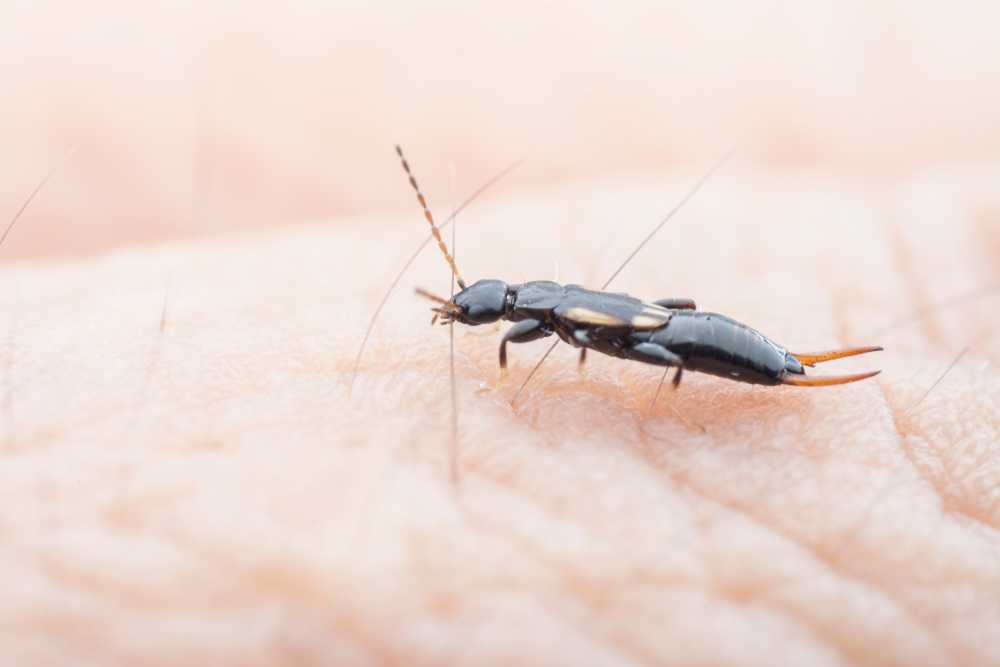
The pincers that give earwigs their menacing look are actually used for defense rather than biting. These pincers, located at the rear of their bodies, are primarily a tool for deterring threats and capturing prey. While an earwig’s pinch can cause mild pain, it seldom breaks your skin. Unlike mosquito bites that draw blood, an earwig pinch does not leave behind twin puncture wounds or a hot welt. Therefore, if you do experience a pinch, rest assured that earwigs are not venomous and do not transmit diseases.
Interestingly, earwigs have a relatively normal diet that includes decaying matter, small insects, and sometimes garden plants. This diet makes them both garden visitors and occasional pests. While they might nibble on your flower plants, their presence can also help control other pests by capturing prey.
Understanding that earwigs prefer not to bite humans can help alleviate some of the fear surrounding these wayward insects. Their primary interest lies in finding a suitable environment to thrive, which often means damp areas in and around your home. Addressing these conditions reduces the likelihood of encountering these misunderstood creatures.
Why Do Earwigs Pinch?
Earwigs pinch primarily as a means of self-defense. When these insects feel threatened, they use their large forceps to deter potential predators and threats. This defensive behavior is instinctual and helps earwigs protect themselves from harm. So, if you accidentally disturb an earwig, it might respond with a pinch as a way to defend itself.
Interestingly, earwig pincers also play a role in mating rituals. Male earwigs use their pincers during courtship behaviors to attract females. The size and strength of a male earwig’s pincers can be indicators of his fitness and suitability as a mate. Adult males often have larger and more curved pincers compared to females, which makes them look more formidable.
Recognizing that these pinches are defensive responses rather than aggressive attacks allows you to approach these insects with less fear and more understanding.
Symptoms of an Earwig Pinch
If you are pinched by an earwig, you may notice two red pinch marks close together, sometimes accompanied by mild redness, swelling, and discomfort. These symptoms are typically mild and short-lived. An earwig pinch usually does not break your skin, but can cause a slight abrasion.
In rare cases, some individuals might experience allergic reactions to earwig pinches. Symptoms of an allergic reaction can include hives, respiratory difficulties, and severe itching. However, these instances are uncommon, and most people will not have such severe reactions. Typically, the symptoms from an earwig pinch resolve quickly and do not require medical attention.
It’s worth noting that while earwigs don’t lay eggs in human ears—as some myths suggest—their name “ear creature” comes from old folklore. This myth has no scientific basis, but it adds an intriguing layer to the earwig’s story.
Recognizing the symptoms of an earwig pinch helps in responding appropriately if it happens to you or someone else. Most of the time, the discomfort is minimal and can be easily managed with basic first aid.
Are Earwig Pinches Dangerous?
Earwigs are often feared due to myths suggesting they can harm humans, but the truth is, they are not dangerous. Earwig pinches are rarely harmful and typically result in only minor skin irritation. However, it’s important to avoid scratching the pinch site, as this can lead to skin infections requiring antibiotic treatment.
Symptoms from an earwig pinch can be more severe for those who are allergic. Allergic reactions might include hives, difficulty breathing, and significant swelling. If you experience these severe symptoms, it is crucial to seek medical attention immediately. In most cases, however, an earwig pinch will not cause long-term complications and can be treated with simple home remedies.
In extreme cases where the pincers break the skin, proper care is essential to prevent infection. Cleaning the affected area with warm water and soapy water, followed by the application of an antiseptic, helps reduce risks. If the skin breaks, be vigilant for signs of infection such as increased redness, swelling, or pus.
Knowing the actual risks associated with earwig pinches helps dispel unnecessary fears. While they can cause discomfort, the danger is minimal compared to more aggressive insect bites. Knowing when to seek medical help and how to treat a pinch can ensure that you handle these situations calmly and effectively.
Treating Earwig Pinches
An earwig pinch can usually be managed at home with basic first aid. The first step is to wash the affected area thoroughly with warm water and soap to prevent possible infection. Cleaning the area and applying an antiseptic can help reduce the risk of skin infections and promote healing.
If the pinch breaks your skin, treat it as you would any scratch by cleaning the wound and keeping it covered. Applying an ice pack or cold compress can help reduce swelling and alleviate discomfort. Over-the-counter antihistamines or topical creams can also be used to manage any persistent symptoms. These simple steps can effectively treat most earwig pinches and prevent further complications.
For added protection, wearing gloves while gardening or handling garden debris can help prevent pinches. This is especially useful when dealing with large adult males, which have stronger pincers.
Following these basic first aid measures ensures that an earwig pinch does not lead to more serious issues. Knowing how to treat these pinches can provide peace of mind and quick relief from any discomfort they may cause.
Preventing Household Earwig Infestations
Preventing an earwig infestation starts with reducing the conditions that attract these nuisance pests to your home. Earwigs prefer damp areas and are commonly found in garden debris, decaying plants, and other organic matter. Addressing excess moisture and removing garden debris are crucial steps.
Maintaining proper drainage away from your home’s foundation can help prevent these conditions. Additionally, sealing entry points such as cracks around windows, doors, and the ear canal area can keep earwigs from migrating indoors. Wearing gloves when gardening or handling debris can protect you from accidental pinches.
Using natural deterrents like petroleum jelly barriers on plant stems can prevent earwigs from reaching your flower plants. Traps baited with oil or beer placed around your garden can capture earwigs effectively. Boric acid is another option for controlling earwig populations, but it should be used carefully to avoid harm to pets and children.
Implementing these preventive measures can significantly reduce the likelihood of an earwig infestation. Keeping your home and surroundings dry and clean creates an environment that is less inviting to these small insects.
Managing Earwig Populations Outdoors
Managing earwig populations outdoors involves reducing moisture levels and maintaining garden cleanliness. European earwigs are attracted to gardens with ample organic debris, so keeping these areas clean is vital. Common signs of earwig presence include damaged plant leaves and small fecal pellets.
Traps using containers filled with oil or beer can effectively capture earwigs. These traps are simple to set up and can help reduce the number of earwigs in your garden. Additionally, reducing moisture levels around gardens can deter earwig populations. Maintaining a dry and clean garden environment helps keep earwig numbers under control.
Regularly removing garden debris and decaying plants helps eliminate earwig hiding spots. These outdoor management strategies can help protect your garden plants and reduce the nuisance of earwigs. Regular monitoring and maintenance are key to keeping earwig populations in check.
When to Call Pest Control
If earwig problems persist despite your best efforts, it may be time to seek professional pest control services.
Earwigs are often misunderstood creatures whose pinches are generally harmless. While they may cause mild discomfort, earwig pinches are rarely dangerous and can be treated with basic first aid. Preventing infestations involves addressing moisture, garden debris, and entry points around your home, while managing outdoor populations requires maintaining garden cleanliness.
For persistent problems, professional pest control services are invaluable. The expertise ensures that any earwig issue is dealt with effectively. Don’t let fear of earwigs disrupt your peace of mind—take the necessary steps to manage and prevent these pests.
Frequently Asked Questions
Can earwigs live in your bed?
Earwigs can potentially live in your bed, especially if it’s located in a humid environment like a basement, as they seek out dark and moist habitats. Ensuring proper moisture control and sealing entry points can help prevent their presence.
What are earwigs a warning of?
Earwigs can indicate a potential infestation of more harmful pests, such as carpenter ants or termites, which may be damaging your home. It is advisable to investigate for these wood-destroying organisms if earwigs are present.
What happens if an earwig bites me?
If an earwig bites you, it may sting and cause minimal pain or slight bleeding, but it is rarely serious. Typically, no treatment is necessary; just clean the area and monitor for any signs of infection.
Do earwigs bite humans?
Earwigs do not typically bite humans, as they prefer to use their pincers for defense; any pinch is usually not harmful.
What are the symptoms of an earwig pinch?
The symptoms of an earwig pinch typically include two red pinch marks, redness, swelling, and mild discomfort. In some instances, allergic reactions may also be observed.