Top Strategies for Managing Fire Ants Effectively
Fire ants, known for their aggressive behavior and painful stings, have become a significant pest in many regions. This guide will help you identify these insects, understand their impact, and explore effective methods to control and prevent infestations.
- These ants, identified by their distinctive fire ant mounds, are aggressive pests that can cause painful fire ant stings, requiring effective fire ant control methods to manage imported fire ant colonies.
- A combination of chemical and non-chemical control methods is essential for managing fire ant populations, with regular monitoring and preventive treatments aiding long-term success in controlling imported fire ants.
- Professional pest control services offer expertise in eradicating colonies, including worker fire ants and queen ants, ensuring safety and providing an effective strategy for preventing infestations.
Understanding Fire Ants
These insects are medium-sized red and black ants belonging to the genus Solenopsis, specifically the red imported fire ant (Solenopsis invicta). They were accidentally introduced to the U.S. from South America between 1933 and 1945, likely via soil transported on cargo ships. Since then, they have spread rapidly, especially in the southeastern United States, aided by favorable climates and human activities such as the movement of infested agricultural products regulated by the Plant Health Inspection Service and the Department of Agriculture.
They are an invasive species that can displace native ants and other ant species, including the tropical fire ant and black imported fire ants. There are two species of primary concern: the red imported fire ant and the tropical fire ant. Their colonies can have either only one queen (monogyne form) or multiple queens (polygyne form), which influences colony size and mound density. Communication through pheromones allows these ants to coordinate their activities and respond quickly to threats, making control challenging.
Identifying Fire Ant Colonies
Fire ant colonies build distinctive fire ant mounds without visible entry or exit holes, differentiating them from other ant species. These ant mounds can reach up to 18 inches in height and often appear fluffier after rainfall.
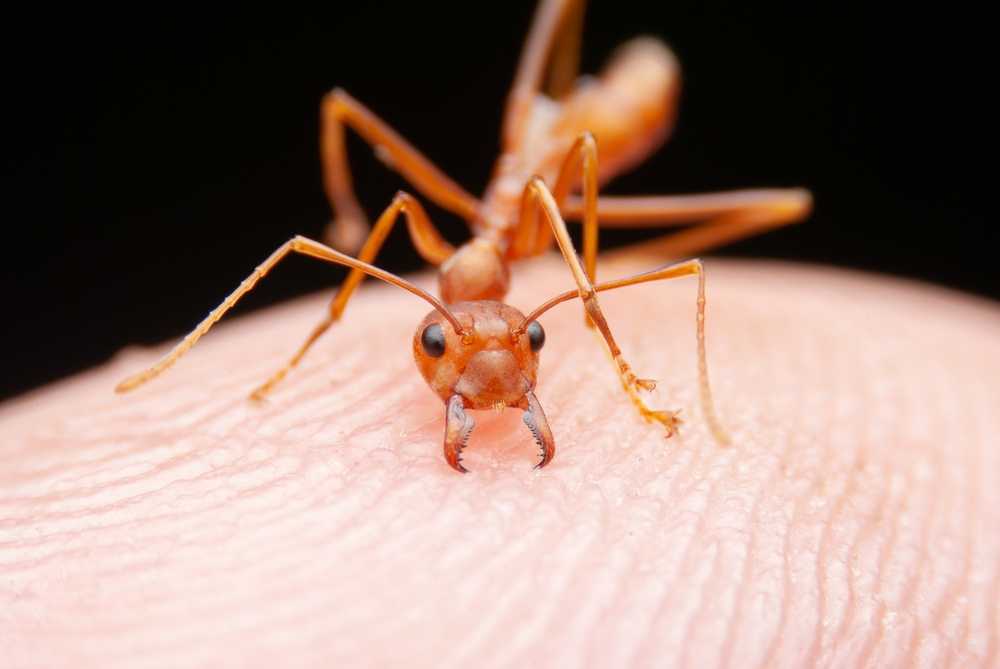
Worker fire ants vary in size, from small to major workers, and display reddish-brown to darker abdomen coloration. They exhibit aggressive behavior, quickly swarming and stinging when their mounds are disturbed.
Colonies may consist of only one queen (monogyne form) or multiple queens (polygyne form), with polygyne colonies producing many more mounds in proximity. These ants build nests in diverse environments, including open fields, lawns, and urban areas.
The Impact of Fire Ant Stings
Fire ant stings cause a painful burning sensation at the sting site, followed by itchy welts that can develop into blisters or pustules. These pustules can last up to ten days and may become infected if broken. In rare cases, stings can provoke severe allergic reactions, including anaphylaxis, which requires immediate medical attention.
First aid for fire ant stings includes applying cold compresses and taking antihistamines to reduce itching and swelling. Keeping the sting area clean and intact helps prevent secondary infections.
Habitat and Behavior of Fire Ants
These ants build mounds in various habitats such as open fields, forests, lawns, and urban landscapes. Foraging ants, primarily worker fire ants, search for food sources, sometimes traveling over 100 feet from the nest. When a significant food source, such as a potato chip or other solid food, is found, they recruit more workers to efficiently collect and transport the food back to the colony.
Fire ants feed on a wide variety of materials, including other insects, seeds, and plant matter, which helps sustain their colonies. They aggressively compete with native ants and other insect species for resources and territory. Their adaptability and aggressive foraging behavior make them persistent pests that require strategic management.
Fire Ant Lifecycle and Reproduction
The queen fire ant is responsible for laying eggs that develop into larvae, pupae, and eventually adult ants. Small colonies start when a queen survives the mating flight and establishes a new nest. The colony grows as the queen continues laying eggs, supported by worker fire ants who care for the brood and forage for food.
Mating flights typically occur during favorable weather conditions, allowing winged males and future queens to mate in the air. After mating, the queen loses her wings and begins a new colony. Polygyne colonies, with multiple queens, can expand rapidly through budding, leading to high mound densities.
Effective Fire Ant Control Methods
Controlling fire ants requires an integrated approach combining chemical and non-chemical methods. Licensed pest control operators use specialized fire ant insecticides and fire ant bait for effective management.
Applying fire ant bait regularly, especially fresh bait during active foraging periods, helps reduce fire ant populations by allowing worker fire ants to carry poison back to the queen and brood. Combining bait treatments with individual mound treatments increases control efficacy.
Fall treatments are particularly important for reducing fire ant populations before winter, leading to fewer fire ant colonies in the spring.
Chemical Treatments
Chemical control involves the use of fire ant insecticides such as bifenthrin, hydramethylnon, and indoxacarb. These can be applied as fire ant bait or granular insecticides. Fire ant bait is slow-acting but effective, as it is carried into the colony and shared. Granular insecticides typically require watering in after application.
Residual insecticides provide long-lasting control, maintaining suppression of fire ant populations for extended periods.
Combining broadcast bait applications with targeted individual mound treatments is considered the most effective strategy for managing fire ants in urban areas and agricultural settings.
Non-Chemical Control
Non-chemical control includes biological control agents such as parasitic phorid flies (decapitating flies), natural enemies, and beneficial nematodes, which weaken fire ant colonies and reduce their numbers.
Hot water treatments can be used as an individual mound treatment, killing many worker fire ants, though smaller satellite mounds may form afterward.
Maintaining cleanliness by removing food sources and sealing entry points prevents these ants from invading homes and buildings, limiting indoor use of insecticides.
Integrated Pest Management (IPM) combines these biological methods with chemical treatments and habitat management to minimize environmental impact while effectively controlling fire ants.
Preventing Reinfestation
Fire ants can reinfest treated areas within a month, often more rapidly than native ants. Preventing reinfestation involves regular monitoring, maintaining treatments, and reducing attractants like sugary or protein-rich foods.
Sealing cracks and gaps in buildings helps prevent indoor infestations. Keeping yards clean and free of debris discourages colonization.
Professional Pest Control
Professional pest control services provide expertise in identifying fire ant species, assessing infestations, and applying appropriate fire ant insecticides safely and effectively.
Fire ant control works best as an ongoing plan, not a one-time treatment. Combining consistent bait applications, targeted mound treatments, and routine monitoring helps suppress colonies and reduce the chance of rapid reinfestation. If fire ants keep returning or stings are a recurring concern in high-traffic areas, professional service can help confirm the most effective approach for your property and keep populations under control long-term.
Frequently Asked Questions
What does a fire ant look like?
Fire ants are small, measuring about 2 to 6 mm, with a reddish-brown to dark coloration and a darker abdomen. They have a hard exoskeleton, six legs, and distinctively shaped heads with mandibles.
Why do these ants suddenly appear?
They may suddenly appear when colonies relocate due to disturbances or when new colonies are established after mating flights involving winged males and queens. Their rapid colony expansion and ability to build fire ant mounds quickly contribute to their sudden presence.
Where do they live in the US?
They primarily inhabit the southern United States, including Texas, Florida, Georgia, and North Carolina, as well as Puerto Rico. They prefer warm, moist climates conducive to their survival and spread.
What are the key characteristics?
Fire ants are aggressive, medium-sized red and black ants known for their painful sting. Their mounds lack visible entry points and often become more noticeable after rain.
How can I identify colonies?
Fire ant colonies can be identified by their distinctive fire ant mounds, which can grow up to 18 inches tall. The ants are reddish-brown to dark, and they aggressively swarm when disturbed.