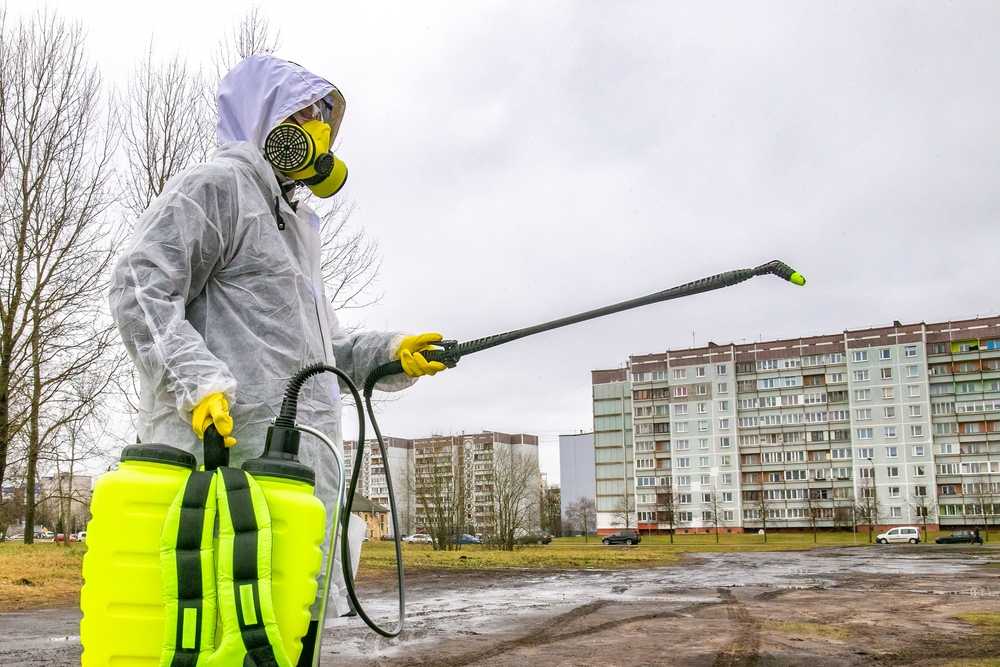
Flea Exterminator: The Most Successful Methods for Removing Fleas from Your Home
Flea infestations are a common and persistent challenge for pet owners, often causing discomfort for both pets and humans. Fleas are tiny parasites that feed on blood, and their rapid reproduction can quickly turn a minor problem into a full-blown infestation. To effectively get rid of fleas, it’s essential to understand the flea life cycle and how these pests thrive in your home. Successful flea removal involves more than just treating your pet; it requires a comprehensive approach that targets every stage of the flea’s life cycle, from eggs to adults. In this guide, we’ll explore proven treatments and strategies to eliminate fleas and prevent future infestations, helping you reclaim your home and protect your pets.
Understanding Fleas
Fleas are small, wingless parasites that thrive in warm, humid environments. Adult fleas feed on pets, while eggs and larvae collect in carpets, cracks, and pet bedding. Because fleas develop in multiple stages, treating only the pet rarely solves the problem. Effective control targets pets and the home at the same time.
Signs of a Flea Problem
Detecting a flea infestation early is key to preventing severe infestations and protecting your pets and family. Common signs of a flea problem include noticing fleas or flea dirt—tiny black specks—on your pets, in their bedding, or embedded in carpeting. Pets may show increased scratching, biting, or restlessness due to flea bites, which can also cause allergic reactions or skin irritation.
In some cases, you may notice flea bites on yourself or other family members, especially around the ankles or lower legs. Severe flea infestations can lead to more serious health issues, such as anemia or the transmission of diseases. Regularly inspecting your pets, their bedding, and living areas for signs of flea activity is crucial for early detection and prompt treatment.
Preparing for Removal
Proper preparation is a critical first step before starting any flea removal treatments. Begin by thoroughly washing and drying all pet bedding in hot water to kill flea eggs and adult fleas. Vacuum carpets, rugs, and upholstered furniture with a strong vacuum, paying special attention to areas where your pets spend the most time. This helps remove flea eggs, larvae, and adult fleas from your home and reduces the overall flea population.
Clear away clutter and debris that could provide hiding spots for fleas. Treat your pets with veterinarian-recommended preventative measures, such as topical flea treatments or flea collars, to help control fleas and prevent re-infestation. By preparing your home and pets in advance, you’ll maximize the effectiveness of flea treatments and set the stage for a successful elimination of the infestation.
Inspection and Assessment
- Check pet bedding and favorite resting areas
- Inspect rugs, carpets, and upholstery near where pets sleep
- Look along baseboards and in corners
- Check under furniture and near cracks/crevices
- Look for flea dirt, live fleas, and heavy scratching patterns
Home Treatment Methods
Home flea control works best when you combine frequent cleaning with targeted products. Vacuum often and wash pet bedding on hot to remove eggs and larvae. If you use chemicals, choose products labeled for indoor flea control that include an insect growth regulator (IGR) to stop immature fleas from developing. Foggers often miss hidden stages and aren’t a stand-alone solution.
Chemical Treatments
Chemical treatments are vital for flea control. Standard options include insecticides, sprays, foggers, and insect growth regulators (IGRs). Flea sprays contain ingredients that attack adult fleas, larvae, and eggs, making them suitable for handling severe infestations quickly.
IGRs are especially important because they prevent larvae development and stop adult flea reproduction, leading to a gradual decline in flea populations. Chemical applications at the lowest necessary strength help protect the safety of household residents and pets.
For best results, treat every identified flea infestation area, including shaded regions and locations where pets commonly stay. Vacuuming intensively and steam cleaning carpets and upholstered furniture will boost the effectiveness of these treatments.
Non-Chemical Treatments
Non-chemical flea control methods are essential as they reduce the need for chemicals. Hot water washing of pet bedding and consistent vacuuming help manage flea populations effectively.
Vacuuming is especially effective because it pulls out flea larvae and forces adult fleas from their cocoons, exposing them to treatment. Maintaining cleanliness and reducing household clutter also make fleas less likely to inhabit the space.
Using natural remedies like diatomaceous earth in critical areas can help dry out and kill fleas without chemicals, providing a safe alternative for homes with children and pets.
Pet Treatment Options
Direct treatment of pets is essential to combat flea infestations. Fleas can latch onto dogs as well as cats, so it is important to check both for signs of fleas. Adult fleas are eager eaters and will bite people as well as pets when hungry. Fleas can also bite humans, causing itchy red bumps that may indicate an infestation in the home. Available pet treatments include topical applications, flea shampoos, and flea collars.
- Topical treatments spread throughout a pet’s skin via oil glands, providing sustained protection against fleas and ticks.
- Flea shampoos kill fleas on contact during baths, offering immediate relief for pets suffering from flea bites. Pets may develop hot spots—irritated, inflamed areas on the skin—due to excessive scratching and biting caused by flea bites.
- Flea collars emit gases that defend pets against both flea bites and death, providing continuous protection.
As a pet owner, monitoring pets for increased pets scratching is a common sign of flea infestation. Administering proper treatments at appropriate times helps maintain animal comfort and a flea-free environment.
Follow-Up and Monitoring
Follow-up matters because new fleas can emerge from cocoons after initial treatment. Continue vacuuming several times a week and monitor pets for scratching or flea dirt. If activity persists after consistent treatment, additional targeted applications may be needed.
Preventive Measures
Maintaining a pest-free home depends on ongoing preventive actions. It is essential to prevent fleas from entering your home by establishing protective barriers and using proactive strategies. Flea collars with active ingredients provide continuous protection for pets. Combining flea control sprays with grooming, regular bathing, and brushing of pets creates a strong defense against fleas.
Keep pet bedding clean through frequent washing to stop oriental rat fleas from infesting your home. Pets and living areas should be regularly treated to maintain protection against fleas. Regular vacuuming of carpets, rugs, and furniture substantially decreases indoor flea populations.
Seal entry points to prevent rodents, stray animals, and other animals from bringing fleas into your home. Proper lawn care is also critical: store food waste securely, remove garden clutter, and mow your lawn regularly to reduce flea habitats. Avoid overwatering to lower humidity, and allow sunlight to reach soil—fleas thrive in moist, shaded areas.
When to Call A Professional
If fleas persist after consistent pet treatment and thorough cleaning, a professional can help identify hot spots and apply targeted treatments that address all life stages. Professional service is especially helpful for severe infestations or when fleas keep returning after multiple DIY attempts.
Frequently Asked Questions
What does the cost of pest control services for flea elimination typically amount to?
The price range for flea control services extends from $75 to $400, with the average cost around $270. Home size and infestation severity determine the final pricing.
Can a pest control professional remove fleas from residential spaces?
Yes, exterminators can effectively remove fleas by inspecting important locations and applying chemical and non-chemical treatments targeting different stages of the flea life cycle.
What are the signs of a flea infestation in my home?
Signs include discovering fleas, flea dirt, and flea eggs within pet bedding, carpets, and upholstery. Immediate response to these indicators is vital to stop further problems.
What is the proper vacuuming schedule for flea control?
Vacuuming at least two to three times per week is recommended for effective removal of flea eggs and larvae, interrupting their development.
If my pet continues to have fleas after treatment, what should I do?
Consult your veterinarian for alternative flea treatments and ensure your home and yard receive comprehensive flea elimination treatments from professionals like Gopher Patrol.