Best Practices for Managing Garden Snails in Your Yard
Facing damage from garden snails? This article will guide you through understanding these pests and offers practical methods to manage them effectively in your garden.
- Garden snails can cause significant damage to plants, especially tender ones like basil and cabbage, making them a common garden pest.
- Effective management methods include handpicking, using barriers like copper tape, and planting non-attractive plants to deter snails.
- Despite their pest status, garden snails contribute to the ecosystem by recycling nutrients and serving as a food source for various predators.
What Are Garden Snails?
Garden snails are common garden pests that feed on tender plants, especially in cool, damp conditions. They often hide in shaded, moist areas during the day and come out at night or after watering to feed. Understanding what attracts them and where they hide makes control much easier.
Physical Description
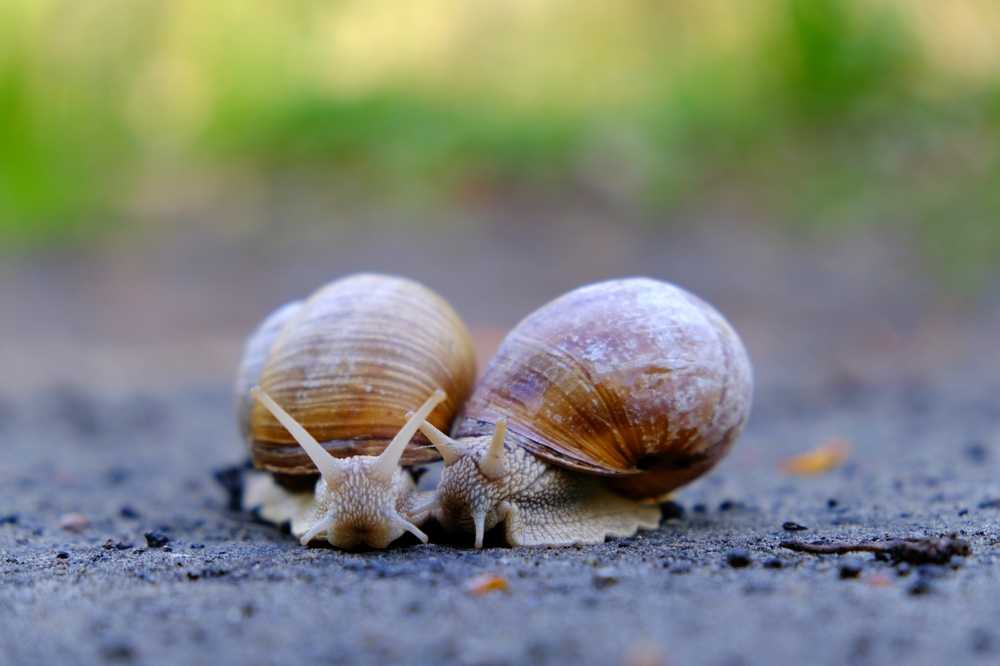
Garden snails are easily recognizable by their slimy, brownish bodies and characteristic coiled shells. These shells range in color from light brown to dark brown and are typically spherical with a rough texture. The shells usually feature four to five spiral turns, making each snail’s shell unique in its pattern and coloration. The visual appeal of their shells, however, is just part of their charm.
One of the most fascinating features of the garden snail is its muscular foot, which allows it to glide smoothly over surfaces by secreting mucus to reduce friction. This foot is essential for their slow but steady movement, often described as moving at a snail’s pace.
When threatened or not feeding, garden snails retract their bodies into their shells, using this thick layer as a protective barrier against predators and harsh environmental conditions. This behavior is typical of a mollusk.
Behavior Patterns
Garden snails are primarily nocturnal creatures, meaning they are most active at night or during the early morning hours when conditions are cool and moist. This nocturnal activity allows them to avoid the heat of the day and reduce the risk of dehydration. As a result, the damage they cause to garden plants is often discovered in the morning, much to the dismay of gardeners.
The best time to hunt for garden snails is in the evening or after damp weather, when they are most active. Their nighttime escapades can lead to significant damage, making it essential for gardeners to be vigilant and employ effective control methods to manage their populations.
Impact on Gardens
Garden snails can cause significant damage to plants, particularly those with tender foliage. They are known to target soft plants, such as:
- hostas
- basil
- beans
- cabbage
- leafy vegetables Often leaving behind ragged holes in the leaves. This feeding damage can weaken plants and reduce their overall health and productivity.
Some snail species even tunnel into root vegetables like potatoes, causing additional crop damage. However, various species of snails and other species tend to avoid plants with aromatic leaves, woody stems, or prickly foliage.
Interestingly, certain flowers like marigolds can attract snails away from more desirable plants, effectively acting as a trap.
Safe Removal Methods
Managing garden snail populations humanely and effectively is crucial for maintaining a healthy garden ecosystem. Identifying garden snails by their extensible eyestalks and silvery slime trails is the first step. It’s essential to handle these snails gently to avoid harming them during removal.
Safe removal methods include handpicking snails during cooler parts of the day and ensuring they are moved to a suitable location. Humane treatment of garden snails is crucial, and removal methods should not adversely affect the environment.
Handpicking
Handpicking is a simple yet effective method for managing garden snails. The best time for handpicking is after dusk or early in the morning when snails are most active and easier to spot. Using a flashlight can help in locating them among the plants.
Once collected, a recommended method for disposing of handpicked garden snails is to toss them into a bucket of soapy water. This method is humane and ensures the snails are effectively removed from your garden without harming the environment.
Barriers and Traps
Barriers and traps present another effective approach to controlling garden snails. Copper tape applied to raised beds or around individual plants acts as a deterrent, preventing snails and slugs from crossing due to the electrical reaction with their slime. Diatomaceous earth can also be used as a barrier, although it needs to be reapplied after rain or watering.
Effective traps include inverted grapefruit or melon rinds, boards for shelter, and beer traps. A homemade remedy involves using a shallow container with a mixture of beer, sugar, water, and yeast, which attracts snails. However, these traps are only effective within a few feet and require daily replenishment.
Organic Baits
Organic slug baits are a safe and non-toxic option for managing garden pests and pest control, contributing to effective pest management. These baits are safe for pets and people, making them a preferred choice for many gardeners. They also remain effective after rain or watering, providing consistent control.
The optimal time to use organic slug bait is during the late afternoon or evening. That is when snails exhibit their highest activity levels. This timing ensures maximum effectiveness in reducing snail populations and protecting your garden plants.
Preventive Measures
Preventive measures are essential for effective garden snail management. Creating an unfavorable habitat for snails involves:
- Removing debris
- Managing mulch thickness to deter their presence
- Adjusting watering practices, such as implementing drip irrigation, to reduce moisture levels that attract snails.
Selecting non-attractive plants can effectively deter garden snails. Strategically using favorite plants as traps can help manage their population. These preventive measures, combined with other control methods, can significantly reduce the impact of garden snails on your plants.
Habitat Management
Proper habitat management is crucial for reducing garden snail populations. This includes reducing hiding spots like debris and dense ground covers, which can significantly decrease their numbers. Regularly clearing away weeds and plant debris reduces damp areas that snails favor.
Methods to deter garden snails include:
- Maintaining proper drainage
- Using rough surfaces like crushed eggshells as natural deterrents
- Using mulch sparingly to limit moisture levels, making the environment less favorable for garden snails.
Watering Practices
Adjusting your watering practices is another effective way to manage garden snails. Switching from traditional sprinkler systems to drip irrigation can significantly lower moisture levels in your garden, making conditions less favorable for snails. Drip irrigation minimizes moisture accumulation on plant surfaces, reducing the attractive environment that snails love.
Watering in the early morning allows foliage to dry before nightfall, which is when snails are most active. This practice not only helps reduce humidity but also ensures that your plants receive the water they need without creating a damp, snail-friendly environment.
Plant Selection
Choosing the right plants can make a big difference in deterring garden snails. Incorporating plants with strong scents, such as lavender and rosemary, can effectively keep snails at bay. These drought-tolerant plants are less attractive to snails, helping to protect your garden more naturally.
Utilizing snails’ preferred plants, like marigolds, along garden edges can help manage their numbers by:
- Trapping them in specific areas
- Drawing snails away from more vulnerable plants
- Reducing overall damage to your garden By strategically planting these favorites, you can effectively protect your garden.
Potential Benefits of Garden Snails
Despite their reputation as garden pests, garden snails do offer some benefits to the ecosystem. They serve as a food source for various animals, including birds and hedgehogs, contributing to the food web and supporting a variety of wildlife. This predation helps to keep snail populations in check naturally.
Additionally, garden snails play a role in nutrient recycling by breaking down decaying organic matter, which enriches the soil. Empty snail shells can serve as nesting sites for certain solitary bee species, fostering biodiversity and providing calcium for birds during nesting season.
Managing garden snails in your yard involves understanding their behavior, feeding habits, and the potential damage they can cause. By using safe removal methods and implementing preventive measures, you can effectively control their population and protect your garden plants. The ecological role of garden snails also highlights the importance of managing them humanely and sustainably.
Frequently Asked Questions
What is the scientific name of the garden snail?
The garden snail’s scientific name is Helix aspersa. Pretty neat, right?
How can I safely remove garden snails from my yard?
You can safely remove garden snails by handpicking them in the cooler parts of the day and setting up barriers like copper tape or beer traps to catch them. Just be consistent, and you’ll keep your yard snail-free!
What are some preventive measures to deter garden snails?
To keep garden snails away, clear out debris, water wisely to avoid excess moisture, and choose less enticing plants. These simple steps can really help protect your garden!
Are there any benefits to having garden snails in my garden?
Absolutely! Garden snails help recycle nutrients and serve as food for other wildlife, making them beneficial for your garden’s ecosystem.
What plants are most vulnerable to garden snails?
If you want to protect your garden, watch out for tender plants like hostas, basil, beans, and leafy veggies, as snails love these! They generally steer clear of aromatic or prickly plants, so those are safer bets.