Efficient Bee Removal Methods:
Dealing with bees around your home can be stressful, especially if you have kids, pets, or anyone with allergies. This guide walks you through how to identify what you’re seeing, what to do to stay safe, when removal is necessary, and how to prevent future nesting. In many cases, the safest approach is not extermination, but proper identification, smart prevention, and professional removal when needed.
Identify the Insect
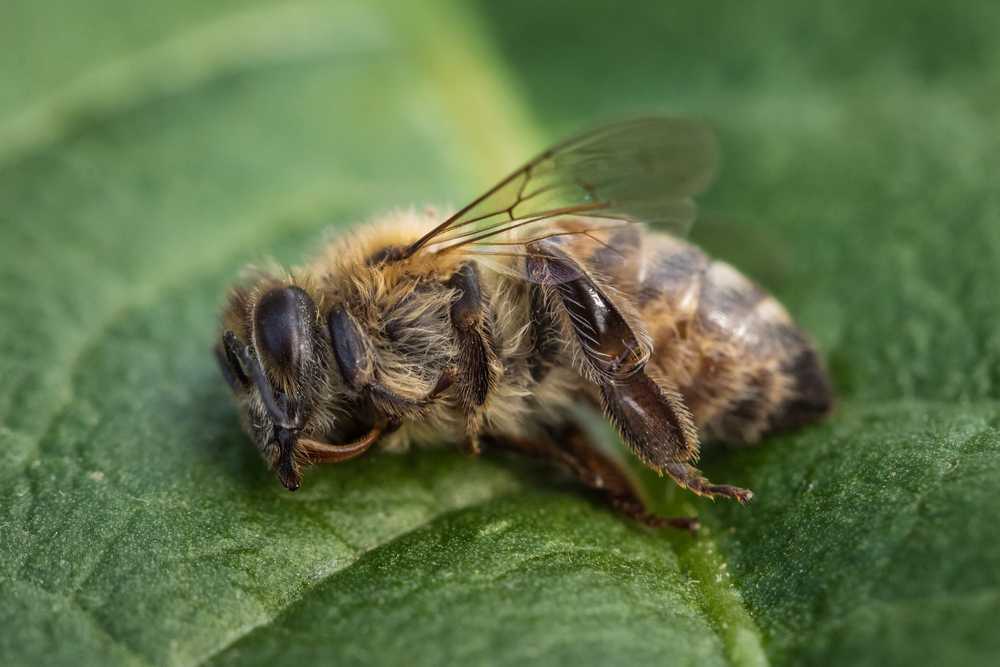
Before taking action, confirm what you’re dealing with. Bees, wasps, and hornets can look similar from a distance, but they behave differently and require different solutions. Honey bees are typically fuzzier and spend most of their time visiting flowers, while wasps have smoother bodies, narrow waists, and are more likely to hover around food, trash, or protein sources. Hornets are usually larger and build distinctive paper nests, often in trees or high structures.
Look at the behavior and the nest type. A temporary swarm clustering on a branch is different from an established nest with steady traffic in and out of a single entrance. If you’re unsure, take a photo from a safe distance and consider getting a professional ID before attempting any removal.
Safety First
When stinging insects are involved, safety comes first. Avoid swatting or disturbing the nest, and keep children and pets away from the area. If you have a known sting allergy, keep your epinephrine auto-injector accessible and avoid close contact with any active nest.
Wear protective clothing if you need to work nearby, such as long sleeves, pants, closed-toe shoes, gloves, and eye protection. Move slowly and avoid strong fragrances (perfume, scented lotions) that may attract bees. If you see large numbers of insects circling an entry point or you’re dealing with a nest in a wall or attic, skip DIY attempts and call a professional.
When Removal is Necessary
Removal is typically necessary when a nest is built in a high-traffic area, such as near doors, patios, play spaces, or inside structures like walls, attics, or soffits. While many bees are beneficial pollinators, colonies in structural cavities can lead to problems such as odors, staining, or attracting other pests if nesting material is left behind.
Aggressive behavior, repeated stings, or frequent activity around entrances are also strong signals that the situation should be handled promptly. If you’re seeing a swarm, that’s often a relocation situation rather than extermination, and a beekeeper may be the best option.
What You Can Do
If activity is light and there’s no established nest indoors, prevention and deterrence can often solve the issue.
- Reduce attractants: Keep trash sealed, rinse recyclables, and clean up sugary spills outdoors.
- Manage water sources: Empty standing water in buckets, birdbaths, and clogged drains.
- Control entry points: If bees are hovering near a small gap, don’t seal it while bees are active inside. Sealing a live entry point can trap insects indoors or force them into wall voids.
- Avoid DIY sprays on nests: Spraying a nest without proper gear can trigger defensive behavior and increase sting risk.
If bees are simply foraging in your yard, that’s usually normal behavior and doesn’t require removal.
Removing Bee Hives
If bees have established a nest in a structure (wall cavity, soffit, attic), removal is not just about stopping activity. It also involves addressing the nesting material, because the comb and residue can cause odors and attract other pests later.
For homeowner safety, nest removals inside structures are best handled by professionals. They can locate the nest, remove it safely, and recommend repairs or sealing steps so the same area doesn’t get reused.
If the nest is outdoors and accessible (and not a protected bee colony), removal may be possible with professional-grade precautions. However, avoid attempting removal if you have an allergy, the nest is large, or activity is heavy.
After Removal Cleanup
After a nest is removed, the area should be cleaned and sealed properly to prevent repeat issues. This matters most when nesting occurred in a wall, attic, soffit, or enclosed cavity.
- Remove leftover nesting material when accessible
- Clean and sanitize the area to reduce lingering odors
- Seal entry points and repair gaps once activity has stopped
- Monitor for renewed hovering or scouting behavior in the following weeks
If you notice lingering odor, staining, or insect activity after removal, professional follow-up may be needed.
Professional Bee Removal
For most homeowners, professional removal is the safest option, especially for hives in walls, large nests, or aggressive stinging insects. A trained professional can confirm the species, locate the nesting site, remove or treat it safely, and recommend next steps to prevent recurrence. Professionals also know how to reduce risks during removal and can address issues like entry points and nesting materials that homeowners often miss. If you’re dealing with a swarm or suspect honey bees, a local beekeeper may also be able to relocate them safely.
Preventing Future Infestations
Preventing future problems comes down to making your home less accessible and less attractive. Seal gaps around vents, eaves, soffits, siding, and utility openings with appropriate materials, and use fine mesh screening where ventilation is needed. Keep trash tightly sealed, clean up sugary spills outdoors, and manage standing water sources such as birdbaths or leaky spigots.
Regular inspections in spring and early summer can help you catch early nest building before it becomes a bigger issue. If you notice repeated hovering around the same spot, that’s often a sign to seal or repair that entry point before a colony establishes.
Bee and wasp problems are easiest to manage when you act early and choose the right response for the insect involved. Identification and prevention solve many issues without escalating risk, while nests in structures or high-traffic areas are best handled by professionals. If you’re unsure what you’re dealing with or activity is increasing, schedule a professional inspection so you can get a clear plan and protect your home safely.
Frequently Asked Questions
How can I identify if the insect is a bee or a wasp?
You can tell if it’s a bee or a wasp by looking at their bodies—bees are fuzzy with lots of hair, while wasps have a sleek, smooth appearance and often sport brighter colors. Keep an eye out for those differences!
What protective measures should I take when dealing with bees?
When dealing with bees, it’s essential to wear protective clothing that covers your body completely, including gloves and a bee suit with a veil. If you’re allergic to bee stings, always have an emergency epinephrine auto-injector on hand.
When is it necessary to kill bees?
It’s necessary to kill bees when they’re aggressive, like Africanized honey bees, or if they’re causing damage by nesting in your walls or other potential nesting sites. In those cases, it’s best to act for your safety and home protection.
What are some safe methods to kill bees?
If you need to deal with bees safely, try using soapy water for direct application or mix borax with sugar as a bait trap. Just remember to use these methods responsibly!
How can I prevent future bee infestations?
To prevent future bee infestations, seal all potential entry points and keep your garden tidy. Regularly inspect your property and consider using natural deterrents like cinnamon or citronella candles.