Effective Guide on How to Set a Mousetrap Correctly
Looking to catch mice efficiently? This guide will show you how to set a mousetrap step-by-step, ensuring your house is rodent-free and helping you rid your home of unwanted critters.
- Choosing the right type of mouse trap, snap, glue, or humane- is essential for effective rodent control.
- Proper preparation, including gathering supplies and using the best bait, significantly enhances trapping success.
- Regular monitoring and maintenance of traps, including daily checks, re-baiting, and re-setting, is crucial to maximize effectiveness and hygiene.
Choosing the Right Mouse Trap
Selecting the appropriate mouse trap is the initial step to rid your house of rodents. There are various types of traps available, each with its own advantages and drawbacks. The most common types include snap traps, glue traps, and humane traps, and finding the best fit for your situation might require some luck and trial and error.
A proper setup includes choosing the right trap, using suitable bait, and placing the traps strategically for successful trapping. With the right combination, you can significantly improve your chances of trapping mice and killing them effectively.
Snap Traps
Snap traps are a classic choice for many homeowners due to their simplicity and effectiveness. These traps work by quickly killing mice when triggered, making them a swift solution to your rodent problem. Their affordability enables you to buy multiple traps without straining your money.
A typical wooden snap trap consists of a U-shaped spring-loaded bar connected to a small board. When a mouse takes the bait, the bar snaps down instantly, ensuring a quick kill. Be careful when setting these traps, especially if kids or pets are around, to avoid accidental triggering and injury.
To enhance safety, use snap traps with enclosures to avoid accidental triggering. These models are designed to be more secure, making them a safer option in households with kids and pets.
Glue Traps
Glue traps are another option for trapping mice, working by immobilizing the critter with a strong adhesive. These traps can be placed in narrow spaces or along walls where mice travel, making them effective in capturing mice in high-activity areas. However, glue traps are often criticized for causing prolonged suffering, as mice remain alive but stuck until you dispose of them.
Despite their drawbacks, glue traps can be useful in situations where other traps have failed. They are straightforward to use and do not require bait, though putting a small amount of peanut butter or soft candies on the bait part can increase their effectiveness.
Humane Traps
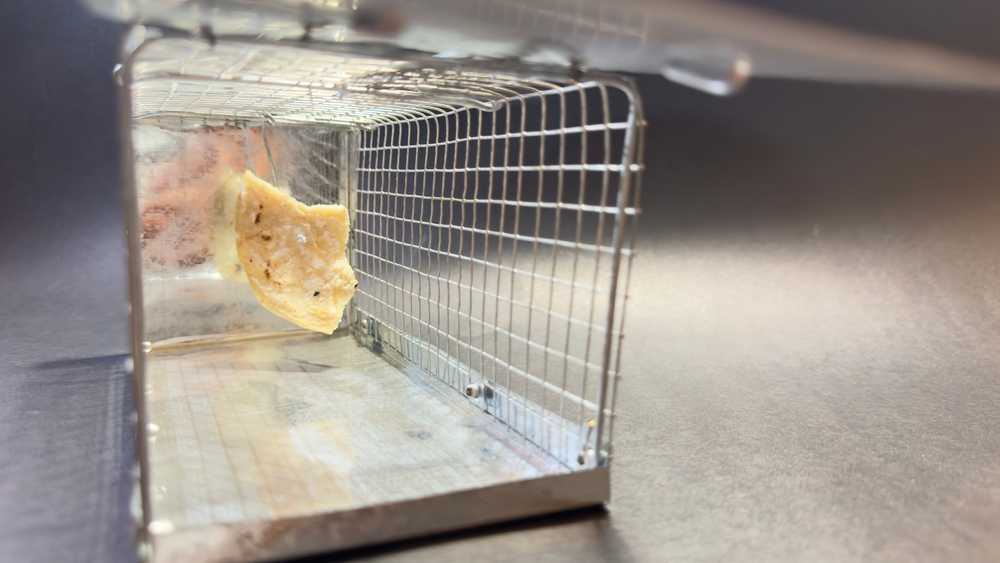
For those who prefer a more compassionate approach, humane traps offer a way to catch mice without harming them. These traps allow you to catch and release the mouse, making them an ethical choice for animal lovers. Humane traps typically involve a lever system that closes the door once the mouse enters to get the bait.
Regular monitoring of humane traps ensures captured mice do not suffer from stress or dehydration. Release the captured mouse far from your house, preferably in a wild area with shelter and food, to prevent the mouse from returning.
Preparing Your Mouse Trap
Preparation is vital for successful mouse trapping. Understanding mouse behavior and the mechanics of your chosen trap type is crucial. Mice tend to travel along walls and other edges, so placing traps perpendicular to the wall in the direction of mouse travel increases your chances of catching them.
Gather all necessary supplies before setting your traps. This includes traps, bait, gloves, and sanitizing materials. Proper preparation ensures traps are set correctly and remain effective over time.
Gathering Supplies
Gathering the right supplies is crucial when preparing to set a mouse trap. Always use gloves to handle traps and dead mice to maintain hygiene and prevent transferring human scent, which can deter mice from approaching the trap.
In addition to traps and bait, have sanitizing materials on hand to clean the area after disposing of a dead mouse. Personal safety is key: wash your hands thoroughly and sanitize affected areas after handling traps.
Adding Bait
Baiting your mouse trap is a critical step that can significantly influence your success rate. Contrary to popular belief, cheese is not the best bait for mice. Instead, opt for peanut butter, chocolate, or soft candies, which are more effective in attracting mice.
Place a small, pea-sized amount of bait on the bait part or trigger pedal in wooden traps, or directly into the baited end in snap traps. Avoid putting too much bait, as excessive bait can deter mice or cause them to steal the bait without triggering the trap.
Change the bait type every three days to keep traps attractive to mice and prevent stale bait from reducing effectiveness.
Setting the Mouse Trap
Setting the mouse trap properly is the next step after preparation. This involves understanding the components of your trap and the habits of the mice in your house. Proper configuration and placement can make a significant difference in your trapping success.
Follow manufacturer instructions carefully when setting your mouse trap. Combine this knowledge with your understanding of mouse behavior to place traps in the best locations.
Positioning Snap Traps
Positioning is crucial for snap traps. These traps should be placed flush against walls where mice travel, as mice tend to avoid open spaces and stick close to edges. Setting traps away from walls can reduce their effectiveness significantly.
Place the baited end of the trap facing the wall, allowing mice to approach from either direction. Re-set traps regularly and reposition them if no response occurs after three days.
Placing Glue Traps
When placing glue traps, handle them with gloves to prevent transferring human scent. Position traps flush against walls or in narrow spaces where mice are likely to travel.
Adding a small amount of bait, such as peanut butter or soft candies, on the bait part increases their effectiveness. Check glue traps frequently to avoid prolonged suffering of caught mice.
Setting Humane Traps
Set humane traps in areas where mouse activity is observed and bait them with strong-smelling food like peanut butter. Check traps regularly to prevent stress or dehydration to captured mice.
Release caught mice far from your house, ideally in a wild area, to prevent their return.
Monitoring and Maintenance
Monitoring and maintaining your traps are vital to ensure they remain effective. Regular checks and maintenance help identify any issues and keep your trapping efforts on track.
Check your traps daily for caught mice and to ensure traps function correctly. Neglecting this can lead to missed opportunities and hygiene issues from decomposing mice.
Remove expired or spoiled bait and replace it with fresh bait to maintain trap attractiveness. After re-baiting, carefully re-set the trap following the original instructions. If traps remain empty after three days, re-bait, re-set, and consider relocating them for better results.
Seal dead mice and traps in plastic bags and dispose of them in the garbage. For reusable traps, release dead mice into a trash bag, disinfect traps, and wash hands thoroughly.
Always practice hygiene after handling traps or mice to prevent contamination.
Common Mistakes to Avoid
Avoiding common mistakes can enhance your trapping success. Errors include using too much bait, improper placement, and neglecting to check traps regularly.
Using Too Much Bait
Excessive bait can overwhelm or deter mice. Use a small dollop about the size of a pea to improve trapping chances.
Improper Placement
Place traps along walls where mice travel and ensure the trap is perpendicular to the wall with the baited end facing the direction of mouse movement. Avoid placing traps where pets or kids might disturb them.
Not Checking Traps
Regular checks are crucial to avoid prolonged suffering of mice and hygiene issues. Inspect traps daily to remove caught mice and re-bait or re-set as necessary.
Choosing the right mouse trap, preparing it correctly, setting it in optimal locations, and regularly monitoring and maintaining it are crucial for effective mouse control. Avoiding common mistakes further enhances success.
Taking action now can save you from future infestations. If overwhelmed, professional pest control services can help rid your house of mice efficiently.
Frequently Asked Questions
What type of bait should I use for my mouse trap?
Peanut butter, chocolate, and soft candies are the best bait options to attract mice. Cheese is less effective.
How often should I check my mouse traps?
Check your mouse traps daily to ensure proper functioning and to promptly remove caught mice.
Where should I place my mouse traps?
Place traps flush against walls and in areas showing mouse activity, positioning the baited end facing the direction mice travel.
What should I do if my traps are not catching any mice?
Re-bait, re-set, and reposition your traps for better results after three days without a catch.
How can professional pest control help with my mouse problem?
Professional pest control services provide expert solutions to rid your house of mice, ensuring a thorough and lasting response.