Effective Rat Exterminator Tips for a Rodent-Free Home
If you’re searching for a rat exterminator, chances are you’re dealing with a frustrating rat problem that you need to solve quickly. This article will guide you through identifying rat infestations, understanding the health risks they pose, and the steps professionals take to exterminate rats. You’ll also learn DIY methods and tips for choosing the right exterminator to ensure a rodent-free home.
Identifying a Rat Infestation
Detecting a rat infestation early is essential for maintaining a rodent-free home. Rats often hide in the shadows, making them difficult to spot immediately. Several telltale signs can indicate their presence. Primary indicators include rodent droppings, gnaw marks, nests, and unusual sounds. Rodent droppings are small, dark, and typically found concentrated near food sources or hidden corners.
Gnaw marks are another common sign. Since rats need to chew constantly to keep their teeth sharp and manageable, you’ll often find these marks on electrical wiring, wood, and other materials. Additionally, nests are usually built in hidden locations such as attics or under floors, providing a warm and safe environment for rats to breed. Understanding what rats eat is also important in identifying infestations.
If you hear scratching and squeaking sounds, especially at night, it’s a clear indication that rats are sharing your space. Recognizing these signs early can help prevent a small rat problem from turning into a large-scale rat infestation.
Regular inspections and awareness of these indicators are vital for effective rodent control. Understanding where and what to look for allows for swift action and avoids costly structural damage caused by rats.
Health Risks Posed by Rats
Rats are not just a nuisance; they are carriers of numerous diseases that can pose significant health risks to humans. These rodents are known to spread diseases such as:
- Leptospirosis, which can cause severe liver and kidney damage
- Bubonic plague
- Hantavirus, which can lead to fatal respiratory issues
- Salmonella, which can be transmitted through their urine, droppings, and bites
It is important to be aware of these risks when dealing with a rodent problem and roof rat infestations.
In addition to these diseases, rats can also spread Campylobacter through contaminated food scraps or direct contact with infected feces, leading to gastrointestinal illness. Furthermore, exposure to rat fecal matter and urine can trigger asthma attacks and other allergy symptoms in sensitive individuals.
The presence of rats in your home compromises both health and hygiene, making effective rodent control measures imperative. Overall, rat infestations pose dangers through disease transmission and potential allergic reactions. The health risks associated with rats highlight the importance of early detection and prompt action. Ensuring a rat-free home is not just about comfort but also about safeguarding the health of your family and preventing the spread of many diseases.
Steps in Professional Rat Extermination
Effective rat extermination requires a systematic approach that starts with a thorough inspection and ends with ensuring your home is rat-proof. The process typically involves an initial inspection to assess the extent of the infestation, followed by employing exclusion services to seal entry points, and setting up rat traps and bait stations to capture and kill the rats.
Professional exterminators customize treatment plans based on the specific situation and provide ongoing services to monitor and prevent future infestations, including those offered by most pest control companies and professional rat exterminators.
Initial Inspection
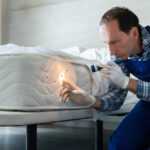
The initial inspection is a critical first step in the rat extermination process. During this phase, most exterminators conduct a thorough inspection of both the interior and exterior of your home to identify water sources, signs of rodent activity, and potential entry points. This comprehensive assessment helps in determining the density and location of the infestation.
Exterminators look for various indicators of rodent presence, such as runways, greasy marks, gnaw marks, tail drags, and footprints. These signs provide valuable insights into the habits and movement patterns of the rats. By understanding where the rats are most active, exterminators can develop a more effective treatment plan.
The primary purpose of the initial inspection is to gather detailed information about the infestation. This includes assessing the severity of the problem, identifying nesting areas, and pinpointing entry points that need to be sealed. With this information, exterminators can create a targeted and efficient strategy to exterminate rats and prevent them from returning.
Exclusion Services
Exclusion services are essential for preventing rats from re-entering your home after they have been removed. These methods involve sealing gaps and entry points using durable materials like mesh, metal flashing, and foam. By blocking potential access points, you can effectively keep rats out of your home.
Exterminators often use steel wool as a physical barrier to prevent rats from entering through small openings. Caulk is another effective material for sealing small gaps and cracks. Storing food scraps in glass containers also helps reduce attractants.
By implementing these exclusion services, you can create a rat-proof environment and reduce the likelihood of future infestations.
Rat Traps and Bait Stations
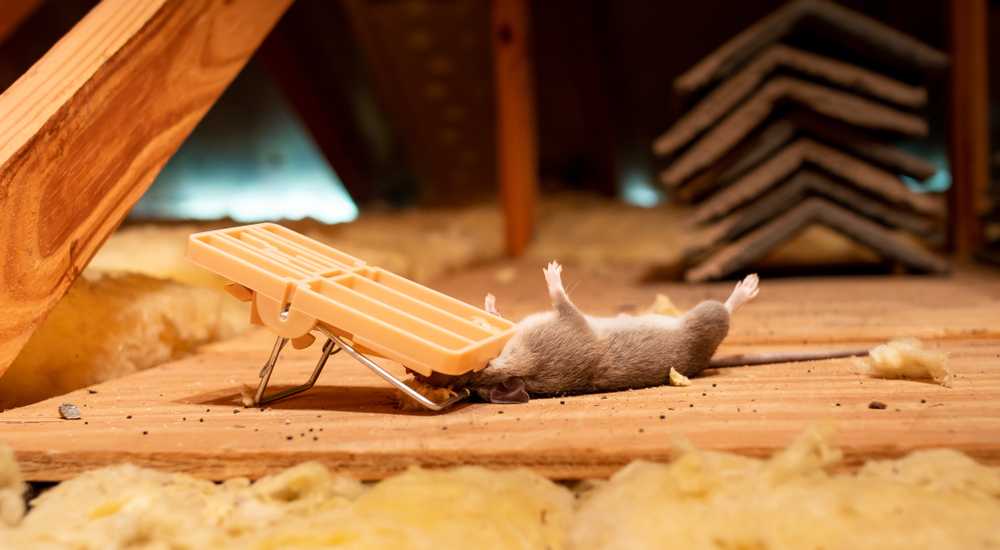
Rat traps and bait stations are commonly used in rodent control to capture and kill rats. There are various types of traps available, including live traps and lethal traps. Live traps are designed to humanely capture rodents without killing them, while lethal traps are intended to eliminate the rodents quickly.
Bait stations are another effective tool in rodent control. These stations contain rat poison that attracts rats, ensuring that only small rodents can access the bait. In cases of large-scale rat infestation or large rat colonies, exterminators may also use tracking powder or lethal chemicals to control the population. When using rodenticides, small amounts are applied safely to minimize environmental impact.
Using a combination of traps and bait stations can effectively control and reduce the rat population in your home. These methods are essential for ensuring that all rats are captured and eliminated, preventing them from causing further fire hazards or structural damage.
Choosing the Right Rat Exterminator
Selecting the right rat exterminator is crucial for effectively addressing a rat infestation. A company with extensive experience is likely to employ effective methods tailored for various rodent species, including common rats like Norway rats and roof rats, which tend to inhabit different environments. Verifying that the exterminator has proper certification and licensing reflects their adherence to industry standards.
A written estimate from the exterminator ensures clarity on services, duration, and costs, preventing unexpected charges later. Additionally, a good pest control company should provide customized solutions for different rodent situations. Responsive customer service is another key factor, indicating the company’s commitment to client satisfaction and support.
DIY Rat Control Methods
Several DIY methods are available for those who prefer a hands-on approach to get rid of rat infestations. An effective method includes creating a repellent spray with cayenne pepper mixed with water. Essential oils such as peppermint, eucalyptus, and citronella are also known to deter rodents due to their strong scents.
Mothballs can be used to repel rats, but they contain toxic substances and should be used cautiously in enclosed spaces. Natural substances like onion, garlic, and castor oil can also be effective in repelling rats. Additionally, homemade traps, such as a bucket trap or a plate trap with adhesive, can efficiently capture rats.
DIY methods can be effective but may not always provide a long-term solution for severe rat infestations. In such cases, consulting a professional exterminator ensures complete removal and prevention of future infestations.
Preventing Future Infestations
Ongoing vigilance and maintenance are required to prevent future rat infestations. Maintaining cleanliness and securing food sources are among the most effective measures. Disposing of garbage in sealed containers and storing bird seed in galvanized cans with secure lids reduces the likelihood of attracting rodents. Removing pet food bowls every night eliminates outdoor food sources that might attract rats.
Regularly inspecting potential entry points, such as cracks and gaps in walls and foundations, helps identify vulnerabilities that rats might exploit. Exclusion techniques, such as sealing small holes with steel wool, prevent rodents from entering your home.
Implementing a regular maintenance program in rat control helps ensure that your home remains rodent-free. Taking these preventative measures significantly lowers the chances of future infestations and maintains a safe and clean living environment.
Cost of Rat Extermination Services
The cost of rat extermination services can vary widely depending on several factors. On average, hiring a rat exterminator costs around $300, but exterminators charge more for severe infestations. The typical rat exterminator cost for a full rat removal service is between $200 and $6,000, depending on the extent of the infestation and the required treatments.
Factors influencing the cost include the severity of the infestation, the location of the rats within the property, and the distance the exterminator has to drive. Additionally, follow-up visits may be necessary, adding to the overall expense of the extermination services. Scheduling these visits in advance can lead to cost savings. It helps reduce expenses associated with additional visits.
In some cases, rat extermination costs are calculated per square foot, especially for large-scale rat infestations requiring fumigation.
Understanding the potential costs involved can help homeowners budget for rat extermination services and avoid unexpected expenses. By addressing a rat problem promptly, you can prevent further damage and health risks associated with a severe infestation.
Identifying and addressing a rat infestation early is crucial for maintaining a safe and healthy home. Recognizing the signs of a rat problem, understanding the health risks they pose, and taking appropriate extermination measures are essential steps in effective rodent control.
Frequently Asked Questions
What are the common signs of a rat infestation?
Common signs of a rat infestation include rodent droppings, gnaw marks, nests, and unusual sounds such as scratching or squeaking. Addressing these signs promptly can help prevent a more significant problem.
What health risks do rats pose?
Rats pose significant health risks as they can spread diseases like leptospirosis, bubonic plague, hantavirus, and salmonella, as well as trigger asthma attacks and allergies. It’s crucial to manage rat populations to protect public health.
What steps are involved in professional rat extermination?
Professional rat extermination involves an initial inspection, sealing entry points, implementing traps and bait stations, and continuous monitoring to ensure effectiveness. Each step is crucial to effectively exterminate rats and prevent future infestations.
How can I prevent future rat infestations?
To prevent future rat infestations, maintain cleanliness, secure food sources, and regularly inspect and seal potential entry points. Taking proactive measures, like storing bird seed in galvanized containers and bringing in pet food at night, is crucial for effective prevention.
How much does rat extermination typically cost?
Rat extermination typically costs between $200 and $6,000, depending on the infestation’s severity, the location of the rats, and any necessary follow-up visits.