Top Residential Pest Control Solutions to Protect Your Home
Dealing with pests in your home? Effective residential pest control solutions are essential. This comprehensive guide provides the best strategies to keep your home pest-free and protect your family.
Understanding Residential Pest Control
Residential pest control is more than just eliminating pests; it’s about safeguarding your home and loved ones from health risks and property damage caused by these uninvited guests. The most common household pests include ants, termites, cockroaches, rodents, and wasps. These pests contaminate food supplies, cause property damage, and can trigger allergies or diseases.
Early identification of pest infestation signs can save you from extensive damage and health concerns. Look for droppings, foul odors, visible pests, nests, scratching sounds, and increased pest activity. These warning signs require immediate attention. Regular inspections and ongoing monitoring are essential to catch infestations early.
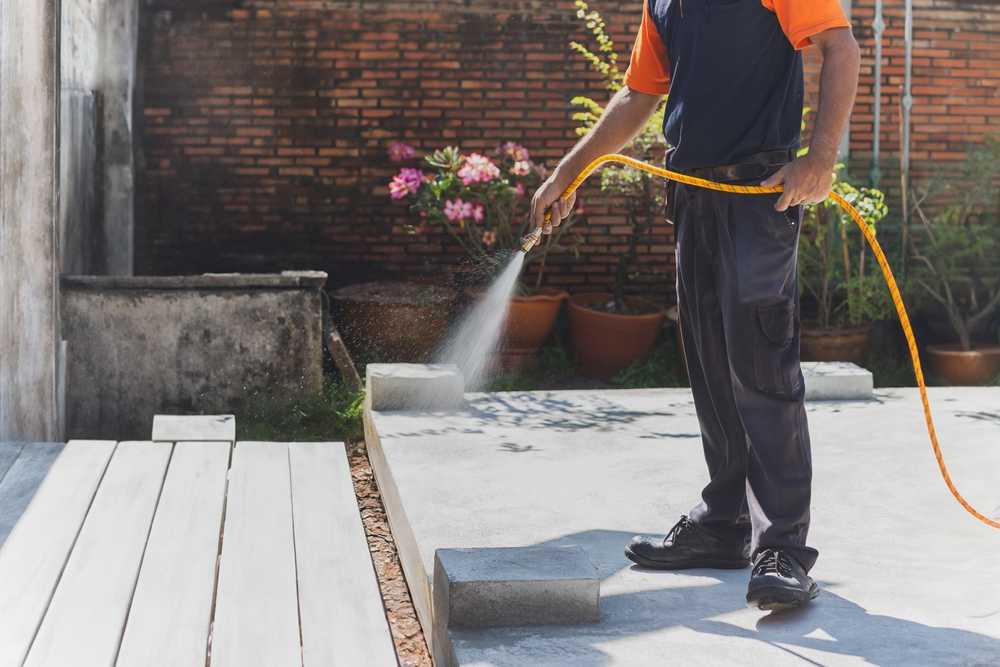
Professional pest control companies provide customized solutions. They assess your unique situation and tailor treatments to your home’s specific needs, ensuring more effective and long-lasting pest defense.
Understanding the behavior and biology of common pests is the first step to protection. Termites silently destroy your home’s structure, while rodents spread diseases and damage wiring. Wasps can pose stinging risks to family members. Stay vigilant and seek professional help when needed to maintain a pest-free home and enjoy peace of mind.
Seasonal Pest Control Treatments
Pest activity varies with the seasons, making seasonal pest control strategies essential. Different pests are more common in spring, summer, fall, and winter, requiring specific treatments to address their behaviors effectively. For example, spring and summer see increased mosquito and wasp activity, while fall and winter often bring more rodent problems.
Bi-monthly or quarterly pest control treatments are recommended as standard treatments to keep pests at bay throughout the year. These regular treatments ensure any potential pest problems are addressed promptly, reducing the risk of full-blown infestations.
Eliminating standing water in your yard significantly reduces mosquito populations by removing breeding sites, making outdoor spaces safer for your family.
Termite Control: Protecting Your Home’s Structure
Termites are among the most destructive pests, causing extensive structural damage that costs homeowners billions annually. These silent invaders often go unnoticed until severe damage or swarming occurs. Early detection and intervention are critical.
Professional termite control services address existing infestations and prevent future ones. They identify factors attracting termites, such as moisture and shelter, and apply effective treatments to safeguard your home.
Regular inspections and proactive maintenance, including repairing damaged wood and maintaining barriers between soil and wood structures, are essential. Trust professionals for regular termite control treatments to protect your home’s foundation and ensure peace of mind.
Mosquito Control for a Safe Yard
Mosquitoes are not only annoying but also pose serious health risks by transmitting diseases like dengue, Zika virus, and West Nile virus. Effective mosquito control is necessary to maintain a safe yard.
Many professionals offer mosquito control sprays that target these pests to reduce populations and protect your family. However, it is important to consider the broader ecological impact. Pyrethroids used in sprays can harm beneficial insects like bees and butterflies due to their broad toxicity.
Organic mosquito control options often involve plant-based essential oils, which may pose fewer risks to beneficial insects but have limitations. Eliminating standing water remains the most effective method to reduce mosquito populations by removing breeding sites.
Balancing effective mosquito control with environmental care is essential. Working with professionals helps protect your family while minimizing ecosystem harm.
Rodent Control Solutions
Rodents such as rats and mice cause significant health and property issues if left uncontrolled. Direct contact with rodents or their waste can lead to infections and allergic reactions. Their droppings contaminate food and water, posing serious health risks.
Rodents also cause property damage by gnawing wires, insulation, and wood, leading to costly repairs. Professional pest control uses advanced techniques to manage rodent populations effectively.
Professional pest control services offer comprehensive rodent control solutions, including sealing entry points, using traps and bait stations, and maintaining a clean environment to reduce shelter and food sources. This integrated approach ensures efficient rodent management.
Pest Control Tips for Homeowners
While professional treatments provide the strongest protection, homeowners can reduce pest pressure with consistent prevention. Sealing cracks and gaps, fixing leaks, storing food in airtight containers, and keeping clutter to a minimum helps eliminate pest entry points and nesting areas. Regular yard maintenance, including trimming vegetation and removing debris, also discourages pests from settling near the home.
Prevention works best when combined with routine inspections and ongoing pest control services, creating a long-term defense rather than a temporary fix.
Choosing the Right Residential Pest Control Solution
The right pest control plan depends on your home, location, and pest activity. Homes with recurring issues often benefit from quarterly treatments, while seasonal pests like mosquitoes may require targeted services during warmer months. Properties with wood structures should prioritize termite monitoring, while homes near open land may need ongoing rodent control.
A professional inspection helps identify risk factors and determine the most effective treatment schedule. Customized plans provide better results than one-size-fits-all solutions.
Protect Your Home
Residential pest control is about prevention, protection, and peace of mind. From termites and rodents to mosquitoes and seasonal invaders, addressing pest problems early helps prevent costly damage and health risks. Combining professional services with smart prevention creates a safer, more comfortable home year-round.
If pests keep returning or you want long-term protection, working with a trusted pest control provider ensures your home stays protected before problems start.
Frequently Asked Questions
How often should I schedule residential pest control treatments?
The frequency depends on your unique situation and pest activity levels. Generally, bi-monthly or quarterly treatments are recommended as standard to maintain effective pest control year-round.
Are pest control treatments safe for pets and children?
Professional pest control companies use products and methods that are safe when applied according to label instructions. Always inform your technician about pets and children so they can tailor treatments appropriately.
What should I do if I see pests between scheduled treatments?
It is normal to see some pest activity after initial treatments as pests are flushed out. Contact your pest control provider; many offer follow-up services at no additional cost to ensure your home remains pest-free.
Can I prevent pest infestations myself?
Yes, proactive steps like sealing entry points, removing food and water sources, eliminating standing water, and maintaining cleanliness can significantly reduce pest risks. However, professional treatments provide more comprehensive protection.
What pests are most common in residential homes?
Common pests include ants, termites, cockroaches, rodents, wasps, and mosquitoes. Each requires specific control measures to effectively manage and prevent infestations.