Tiny Roaches in Your Home: Identification and How to Get Rid of Them
Spotting tiny roaches in your home is worrisome. In this article, we guide you on identifying these pests and eliminating them. You’ll learn about different types of tiny roaches, their habits, signs of infestation, health risks, prevention tips, and effective ways to get rid of them.
- Proper identification of tiny roaches, including German, brown-banded, and Asian cockroaches, is essential for effective control and prevention.
- Maintaining cleanliness and controlling moisture are critical preventive measures to deter tiny roaches from infesting your home.
- Quick action and appropriate methods, including DIY remedies or professional pest control, are vital for managing and eliminating tiny roach infestations.
Identifying Tiny Roaches
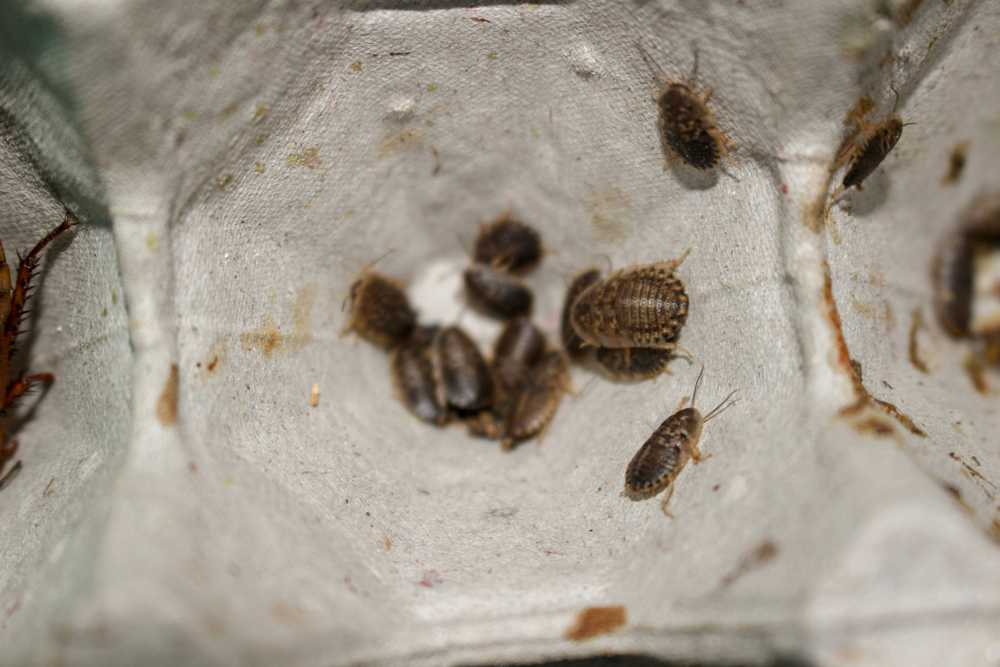
Recognizing tiny roaches in your home is crucial for effective control. These baby cockroaches, often no larger than a grain of rice, can be easily mistaken for other insects. They start out small, about 1/8 inches for German cockroach nymphs, and grow to around 1/4 inches for American and Oriental nymphs. Their appearance evolves from a pale white or grey when newly hatched to a darker black or brown as they mature. Despite their tiny size, these roaches share common features such as long antennae and six spiny legs.
Different species of tiny roaches have unique characteristics that can help in identification. Knowing these distinctions helps in tackling a roach problem effectively.
German Cockroaches
German cockroaches are perhaps the most notorious of small roaches, known for their resilience and rapid reproduction. Adult roaches, or adult cockroaches, the german cockroach nymphs is small and light brown, marked by two dark stripes running down its back. These pests typically measure between 1/2 to 2/3 inches in length. Baby German cockroaches, or nymphs, start off light brown and can often be mistaken for bed bugs due to their size and color.
Baby German cockroaches transition from pale whitish-grey to tan or light brown as they grow. These roaches thrive in warm, humid environments and are commonly found in kitchens, bathrooms, and areas with ready access to food and water. Their attraction to dirty dishes and food crumbs underscores the importance of maintaining cleanliness to prevent infestations.
Brown-banded Cockroaches
Brown-banded cockroaches are distinguishable by two light bands across their dark brown bodies. These roaches are slightly smaller than German cockroaches, measuring about 1/2 to 5/8 inches long. Unlike German cockroaches, brown-banded roaches prefer warmer and drier environments, often found in higher locations within homes such as ceilings and upper cabinets.
Less dependent on moisture, this species often hides behind picture frames and inside electronic devices. Their adaptability makes them common household pests, necessitating vigilant control measures.
Asian Cockroaches
Asian cockroaches are another small roach species that can invade homes. They are tan in color and similar in size to German cockroaches, ranging from 1/2 to 5/8 inches long. Unlike other small roaches, Asian cockroaches have the ability to fly, which can make them particularly troublesome.
Attracted to light, these roaches are often found both indoors and outdoors, particularly in gardens and yards. Their attraction to light differentiates them from other cockroach species and can lead them into homes where they become a significant pest control issue.
Habits of Tiny Roaches
Tiny roaches are nocturnal creatures, preferring to stay hidden during the day and emerging at night to forage for food and water. They thrive in warm, humid environments and are often found in areas with easy access to food and moisture, such as kitchens and bathrooms. Their tiny size allows them to slip into cracks and crevices, making them difficult to detect.
These pests are omnivorous, consuming a wide range of substances including food remnants, paper, and glue. In desperate situations, they can survive for several weeks without food and may even resort to cannibalism. Knowledge of their habits aids in devising effective strategies for control and prevention.
Signs of a Tiny Roach Infestation
Detecting a tiny roach infestation early can save you from a larger roach problem down the line. One of the first signs is a musty or foul smell, which becomes more noticeable as the cockroach population grows. Droppings, which resemble ground coffee or black pepper, are another indicator of their presence. Additionally, finding egg cases or shed skins signifies a breeding population of cockroaches.
Physical damage to food packaging and other materials can also be a sign of roach activity. Spotting live roaches during the day, especially baby roaches, is a strong indication of a serious infestation since they typically hide during daylight hours. Glue traps can be useful for tracking cockroach activity and confirming an infestation.
Spotting one or two baby roaches often indicates a larger issue. Visible evidence of a breeding population, such as egg casings and juvenile roaches, often necessitates professional pest control services. Early detection and prompt action are vital for effective control and prevention.
Health Risks
Tiny roaches pose significant health risks. They can spread over 30 different types of bacteria, including pathogens that can lead to food poisoning. Their droppings, saliva, and skin remnants can contaminate food and surfaces, causing potential food poisoning and infections. This contamination can lead to chronic health issues if not addressed promptly.
In addition to spreading bacteria, the allergens from cockroach droppings, saliva, and skin can become airborne and trigger allergic reactions or asthma symptoms. Inhalation of these allergens can result in persistent symptoms, often more severe than typical seasonal allergies. Addressing a cockroach infestation swiftly is vital to maintain a healthy living environment, given these health risks.
How to Prevent Tiny Roaches
Preventing tiny roaches starts with cleanliness. Regularly cleaning up crumbs and spills can deter these pests from invading your home. Storing food in airtight containers minimizes the risk of attracting roaches. Taking out the trash regularly and ensuring your bins are sealed can also help prevent roaches from finding food sources.
Controlling moisture is another key preventive measure. Fixing leaks and using dehumidifiers can significantly reduce the attraction for tiny roaches.
Maintaining cleanliness and controlling moisture creates an inhospitable environment for these pests, preventing future infestations.
Effective Methods to Get Rid of Tiny Roaches
Quick and decisive action is crucial when dealing with a cockroach infestation. DIY remedies such as baits, insecticides, boric acid, and diatomaceous earth can be effective in controlling roach populations. Insect Growth Regulators (IGRs) can also be used to hinder the development of young roaches, preventing them from reproducing.
Placing baits and insecticides in areas where roaches are likely to hide, such as under sinks and behind appliances, can help target the infestation. Roach traps can also lure and capture roaches using bait, assisting in monitoring and controlling the infestation.
For severe infestations, professional pest control services are recommended to effectively manage and resolve the problem. Professionals offer comprehensive solutions, potent treatments, and ongoing maintenance for long-term control.
Natural Remedies for Tiny Roach Control
Natural remedies offer a safer alternative for small roach control. Diatomaceous earth is a natural powder that is non-toxic to humans and pets but lethal to roaches. This powder works by dehydrating cockroaches through damage to their exoskeletons.
Boric acid, a popular natural remedy, attracts and kills roaches when mixed with flour and sugar. Essential oils such as tea tree and peppermint can repel cockroaches when sprayed around infested areas. Crushed bay leaves can deter cockroaches when placed in frequented areas.
When to Call a Professional
Recognizing when to call professional pest control is crucial for effective roach management. If you notice small black droppings, oval-shaped egg cases, or see roaches during the day, it’s time to seek professional help. Finding baby cockroaches in your home is another strong indicator that you need professional services.
Professional services provide expertise, potent treatments, and ongoing maintenance for severe infestations. They provide comprehensive solutions and guidance to ensure effective long-term roach control.
Remember, maintaining cleanliness, controlling moisture, and using both DIY and professional pest control methods are key to keeping your home roach-free. If you find yourself overwhelmed, don’t hesitate to call professional pest control services. Let’s keep our homes safe and healthy together.
Frequently Asked Questions
How can I identify baby cockroaches in my home?
You can identify baby cockroaches, or nymphs, by their small size, roughly the size of a grain of rice, and initial light coloration that darkens as they mature. Look for these characteristics to confirm their presence in your home.
What are the signs of a cockroach infestation?
The key signs of a cockroach infestation are the presence of droppings that look like ground coffee, musty odors, visible egg cases, and spotting live roaches during the daytime. It’s crucial to address these indicators promptly to manage the situation effectively.
What health risks do tiny roaches pose?
Tiny roaches pose significant health risks by spreading over 30 types of bacteria, contaminating food, and potentially triggering allergies or asthma symptoms. It’s crucial to address infestations promptly to protect your health.
How can I prevent tiny roaches from invading my home?
To prevent tiny roaches from invading your home, maintain cleanliness, store food in airtight containers, regularly take out the trash, and control moisture by fixing leaks. These proactive steps will significantly reduce the chances of infestation.
When should I call professional pest control services?
You should call professional pest control services immediately if you observe signs of an infestation like droppings, egg cases, or visible pests during the day. Taking prompt action is crucial to prevent further damage and health risks.