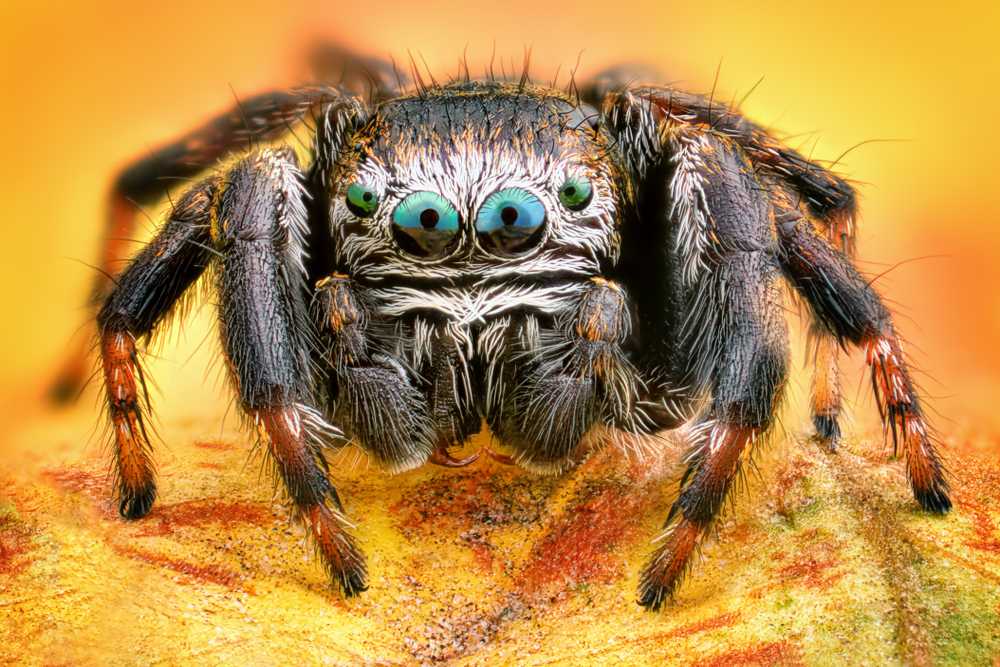
Top 10 Venomous Spiders You Should Be Aware Of
Do you want to know which venomous spiders pose a risk to humans? This article provides detailed information on the ten most venomous spiders, including their habitats and the symptoms their bites cause. Being informed helps protect yourself and those around you.
Understanding Venomous Spiders
Venomous spiders inject toxins through bites or stings, unlike poisonous animals, which release toxins when ingested. Most venomous spiders produce complex venom to subdue prey. Their venom can penetrate human skin, causing skin lesions and allergic reactions in humans.
Only a small percentage of the more than 43,000 spider species worldwide are dangerous to humans. Less than thirty species, mainly from the genera Latrodectus (widow spiders) and Loxosceles (recluse spiders), are medically significant. Most bites occur when people accidentally trap or touch these spiders, leading to defensive bites.
Understanding the role and behavior of venomous spiders can help dispel myths and reduce unnecessary fear. Knowing their habitats, appearance, and bite symptoms allows you to make informed decisions to protect yourself and your loved ones.
Common Venomous Spiders in North America
North America is home to several venomous spider species, with black widow and brown recluse spiders being the most notorious and among the most dangerous spiders. These spiders are highlighted by health organizations like the CDC due to their potent venom and potential danger. Black widow spiders are commonly found in garages, storage spaces, and basements, while brown recluse spiders prefer secluded areas like barns and garages.
Though bites typically occur rarely, when they do, seeking medical attention promptly is crucial.
Other venomous spiders in North America include brown widow, red widow, yellow sac spiders, and wolf spiders, each with unique characteristics and risks.
Black Widow Spiders (Latrodectus mactans)
Female black widows have shiny black bodies with a distinctive hourglass-shaped mark in red on their abdomen, making them easily identifiable. They build funnel-shaped webs in woodpiles, burrows, and among plants. Bites from female black widows usually feel like a sharp pinprick, followed by intense pain, severe muscle cramps, nausea, and mild diaphragm paralysis.
Black widows are not aggressive and bite only when threatened or provoked. Although no deaths from black widow bites have been recorded in the United States, their bites result in over 2,500 reported bites annually to poison control centers.
A female black widow can live more than three years and lay over 200 egg sacs during her lifetime. Male black widows are smaller and less venomous but still capable of delivering painful bites.
Brown Recluse Spiders (Loxosceles reclusa)
Brown recluse spiders measure about 7 mm in body length with a leg span of approximately 2.5 cm. They are light brown with a dark violin-shaped marking on their cephalothorax, earning them the nickname violin spiders. These spiders are common in central, southern, and midwestern United States, favoring hidden, undisturbed areas.
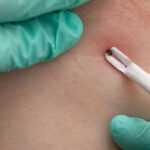
Brown recluse spider bites typically occur when the spider is accidentally trapped against human skin, often in clothing or bedding. The bite site can develop necrotic wounds, leading to serious tissue damage. Symptoms include nausea, vomiting, fever, rashes, and muscle pain. Although many brown recluse bites cause only mild reactions similar to a bee sting, severe cases can lead to significant medical complications, though human deaths remain extremely rare.
Brown Widow Spiders (Latrodectus geometricus)
Brown widow spiders have brown to tan bodies with bright orange hourglass-shaped marks on their abdomens. They are found throughout southern California, the Caribbean, and parts of Australia. Despite possessing venom twice as potent as black widows, brown widows inject smaller amounts and are generally less aggressive.
Their bites can cause localized pain, muscle spasms, and temporary paralysis. While severe complications are rare, brown widow bites have been linked to a few deaths, mainly in individuals with poor health.
Red Widow Spiders (Latrodectus bishopi)
The red widow spider, also known as the red-legged widow, features a reddish cephalothorax and legs with a reddish-brown to black abdomen spotted with red or orange markings outlined in yellow or white. They inhabit palmetto-dominated scrublands in central and southern Florida.
Red widows are not aggressive but may bite when defending their egg sacs or themselves. Their bites cause localized pain, cramping, and nausea, similar to black widow bites, but symptoms are generally mild due to the small amount of venom delivered.
Yellow Sac Spiders (Cheiracanthium inclusum)
Yellow sac spiders belong to the Clubionidae family and are found indoors across the United States. They build silken tubes in leaves, grass, or man-made structures. Bites typically cause localized pain, redness, swelling, and itching that last one to ten days.
Though bites occur defensively, especially when protecting egg sacs, necrotic wounds from yellow sac spider bites are extremely rare.
Wolf Spiders (Lycosidae)
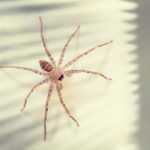
Wolf spiders are dark brown with hairy bodies and long legs, ranging in size from small to medium, with the largest reaching about 2.5 cm in body length. They inhabit grassy areas and hide under stones, logs, or leaf litter.
Wolf spiders bite only when accidentally trapped. Their bites cause pain similar to a bee sting but are usually not dangerous. Some individuals may experience allergic reactions, but severe symptoms are uncommon.
Wolf spider spiderlings ride on their mother’s back for several days after hatching.
Dangerous Spiders Around the World
While North America hosts venomous spiders, several deadly species exist worldwide. Funnel-web, redback, banana, and recluse spiders belong to this group of dangerous arachnids. Only a small percentage of spider species deliver venomous bites to humans, and human deaths from spider bites are extremely rare.
Redback Spider (Latrodectus hasselti)
The redback spider, native to Australia, is closely related to the black widow. It is identified by a prominent red stripe or hourglass-shaped mark on its black back, more noticeable in females. Both male and female redbacks possess venom, but females are more likely to inject venom when biting.
Redback spiders inhabit various environments, including urban areas, and bite humans mostly when trapped or threatened. Their venom contains neurotoxins causing intense pain, sweating, rapid heartbeat, and muscle cramps. While fatalities are extremely rare, prompt medical treatment is recommended for reported bites.
Funnel Web Spiders (Atracidae)
Sydney funnel-web spiders (Atrax robustus) are among the deadliest spiders globally. Their venom contains over 40 toxic proteins affecting the nervous system. Males are especially venomous and responsible for most severe bites.
They inhabit moist environments such as under logs and gardens, building funnel-shaped webs. Immediate medical treatment is critical to prevent severe complications from their bites.
Sicarius Spiders (Sicarius thomisoides)
Sicarius spiders, also known as six-eyed sand spiders, live primarily in South America and parts of Central America. They are venomous but rarely encounter humans. Their venom can cause tissue necrosis and blood thinning, but bites are extremely rare.
Brazilian Wandering Spiders (Phoneutria fera)
Known as banana spiders, Brazilian wandering spiders have highly neurotoxic venom. They defend themselves by raising their front legs when threatened. Their bites can cause severe burning, sweating, irregular heartbeat, vertigo, and prolonged painful erections in men.
Immediate medical attention is necessary after a bite due to the venom’s potency.
Symptoms
Symptoms vary from mild to severe. Brown recluse bites often cause redness, swelling, and burning pain at the bite site. Black widow bites may cause severe muscle pain, cramps, nausea, and difficulty breathing.
Some spider bites lead to systemic illness with fever and chills. Urgent medical care is needed if breathing difficulties or chest pain develop.
Prevention and Safety Tips
Prevent spider entry by sealing cracks and gaps in your home. Install door sweeps and window screens to allow ventilation while keeping spiders out. Maintain a clean and clutter-free environment indoors and outdoors. Trim shrubs, remove debris, and control other pests to reduce spider food sources.
First Aid for Spider Bites
Clean the bite area with mild soap and water. Apply antibiotic ointment three times daily to prevent infection. Use a cool compress for 15 minutes every hour to reduce pain and swelling.
Over-the-counter pain relievers and antihistamines like diphenhydramine or cetirizine can help alleviate discomfort and itching. Elevate the affected area to minimize swelling. Monitor the bite for signs of infection or worsening symptoms. Seek medical attention if symptoms do not improve or worsen.
Understanding venomous spiders reduces risky encounters. Black widow, brown recluse, and Brazilian wandering spiders have distinct features and bite symptoms. Managing risks involves safety protocols, first aid knowledge, and preventive measures.
Frequently Asked Questions
What signs appear first when someone is bitten by a brown recluse spider?
Initial symptoms include redness, swelling, and a burning sensation at the bite site. Seek medical help immediately if symptoms worsen.
How can I prevent venomous spiders from entering my home?
Seal cracks and gaps, install door sweeps and screens, and maintain cleanliness to reduce spider habitats.
What should I do if bitten by a black widow spider?
Clean the bite with soap and water, apply antibiotic ointment, use a cold compress, and seek medical attention if symptoms worsen.
Is the Brazilian wandering spider the world’s most venomous spider?
Yes, it is considered the deadliest due to its highly neurotoxic venom.
How effective is Gopher Patrol in managing spider infestations?
Gopher Patrol provides thorough inspections and treatments, ensuring effective spider control and a safe environment.