Effective Wasp Pest Control Strategies: Keep Your Home Safe
Wasps can quickly become a nuisance and a safety concern around your home. This guide explains how to identify common wasps, spot nests, and reduce attractants. It also covers basic control methods and when to call a professional.
- Understanding the type of wasp is crucial for effective pest control and managing infestations safely.
- Preventive measures, such as sealing entry points and keeping outdoor areas clean, significantly reduce the risk of wasp infestations.
- DIY control methods can be effective, but calling a professional is recommended for large nests or aggressive wasp species to ensure safety.
Understanding Wasps
Wasps vary in appearance, nesting habits, and behavior. Identifying the type you are dealing with can help guide control efforts. Yellow jackets, paper wasps, and hornets are some of the most common wasps homeowners encounter. Yellow jackets tend to be more aggressive. They are often drawn to food and sugary drinks, especially later in the season. Paper wasps are usually less aggressive unless their nest is disturbed. Hornets can become highly defensive when protecting a colony.
It is also helpful to understand the difference between social and solitary wasps. Social wasps live in colonies and build communal nests. These nests can grow quickly and create a more serious problem around the home. Solitary wasps generally do not form large groups and are less likely to cause ongoing infestation issues. Knowing the type of wasp you are seeing can make it easier to decide whether the problem is minor or likely to require more involved treatment.
Identifying Wasp Nests
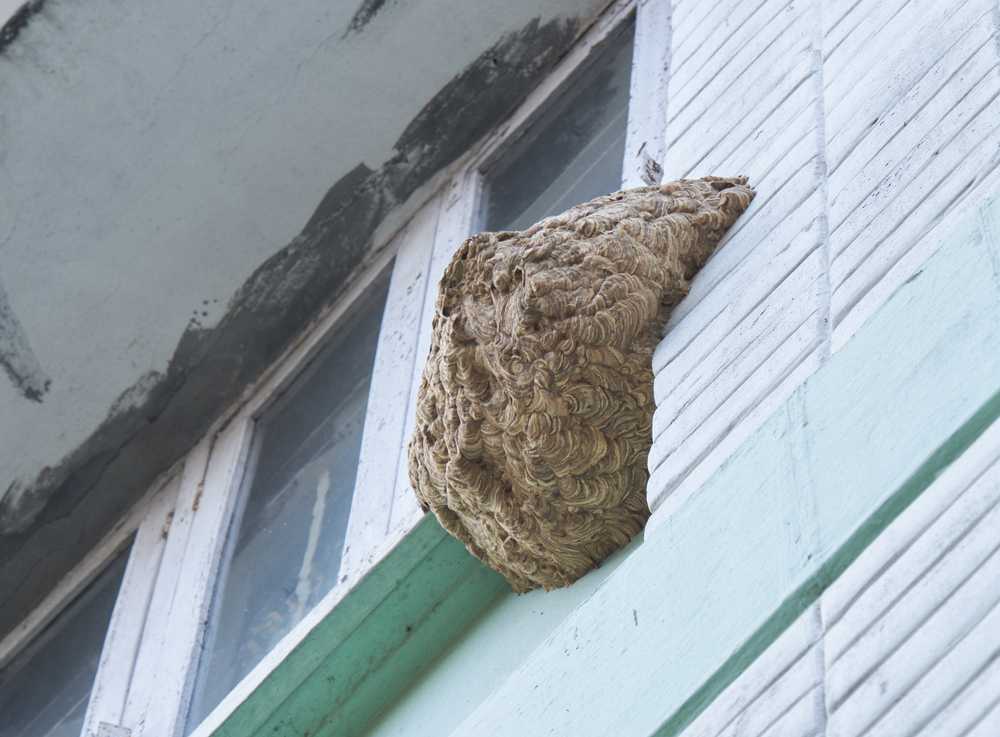
Wasp nests vary by species and may appear under eaves, in trees, or inside sheltered areas around the home. Common nesting spots include wall voids, attics, sheds, decks, and garages. Paper wasps often build umbrella-shaped nests that hang from rooflines, porch ceilings, or outdoor structures. Hornets usually build enclosed, gray, paper-like nests, often attached to trees, shrubs, or parts of the home. Yellow jackets often build nests underground or inside hidden structural spaces, which can make them harder to locate.
Regular wasp activity in the same area is often one of the clearest signs of an active nest nearby. If you notice wasps flying in and out of the same opening, roofline, vent, or corner of a structure, there is a good chance a nest is present. Do not disturb a nest, especially if it is large or in a hard-to-reach location, since defensive wasps can swarm quickly when threatened.
How Wasps Enter Your Home
Wasps can enter through surprisingly small openings around doors, windows, vents, siding, rooflines, and damaged exterior areas. Gaps around utility lines, attic vents, soffits, and loose trim can also provide easy access. Once inside, wasps may settle in quiet, protected areas such as attics, wall voids, crawl spaces, and storage areas where they are less likely to be disturbed.
Outdoor conditions can also increase the chance of wasps gathering close to the home. Food residue, sugary drinks, pet food, fallen fruit, and unsealed trash cans can all attract wasps to patios, porches, and yards. Once they begin visiting regularly for food, they are more likely to explore nearby shelter and establish nests in or around the structure.
Risks of Wasp Infestations
Wasp infestations can create both safety and property concerns. Their stings are painful, and for some people, even a single sting can trigger a severe allergic reaction that requires immediate medical attention. Unlike bees, many wasps can sting more than once, which makes disturbing a nest especially dangerous.
Beyond the risk of stings, wasps nesting in wall voids, attics, rooflines, or outdoor gathering areas can make parts of your property difficult to use comfortably. High wasp activity near entrances, play areas, patios, or pool equipment can quickly become a daily concern. If a nest is left untreated, activity may increase as the colony grows, making the problem harder to manage over time.
Preventing Wasp Infestations
Prevention starts with making your property less attractive to wasps and reducing opportunities for nesting. Keep outdoor eating areas clean, wipe up spills promptly, remove fallen fruit from the yard, and avoid leaving sugary drinks or uncovered food outside. Trash cans should remain tightly sealed, and pet food should not be left out longer than necessary.
Seal cracks, gaps, and other exterior openings that could let wasps enter your home. Check around vents, rooflines, siding, window frames, soffits, and utility entry points for damage or gaps that may need repair. Regular inspections of eaves, sheds, attics, and other sheltered areas can help you catch early nesting activity before it becomes a larger infestation.
DIY Wasp Control Methods
You can manage some minor wasp problems with store-bought products, especially when the nest is small, visible, and easy to access. Apply treatments early in the morning or later in the evening for the safest and most effective results, when wasps are moving less and are less likely to react aggressively. Before attempting any treatment, make sure you have identified the nest location, read the product label carefully, and use caution to avoid provoking defensive behavior.
You can try these common DIY wasp control options:
- Wasp sprays: These can be useful for treating exposed nests from a distance when you use them exactly as directed.
- Dusts and foams: These may work well for cracks, crevices, or other sheltered nesting areas, depending on the product.
- Wasp traps: Traps can help reduce activity around outdoor spaces, though they usually work best as a supplemental measure rather than a complete solution.
- Protective gear: Long sleeves, gloves, and eye protection can help reduce the risk of stings during treatment.
Limit DIY treatment to small, accessible nests. Leave large nests, hidden nests, and aggressive species to a professional because they are much more dangerous to handle.
When to Call a Professional
Professional wasp control is the safest choice when you are dealing with a large nest, an aggressive species, heavy wasp activity, or a nest located inside a wall, attic, roofline, or other hard-to-reach area. A trained technician can identify the species, treat the nest safely, and help prevent future activity.
Wasps can be more than just a nuisance, especially when nests are close to your home or in high-traffic areas. By identifying nests early, reducing attractants, sealing entry points, and using the right control method, you can lower the risk of infestation. For large nests or recurring wasp problems, professional treatment is often the safest and most effective solution.
Frequently Asked Questions
How can I identify a wasp nest?
To identify a wasp nest, look for a paper-like structure, typically found in locations such as under eaves, inside tree hollows, or in attics. Being observant of these characteristics will help you locate the nest effectively.
What attracts wasps to my home?
Wasps are primarily attracted to sugary substances, food residues, and fallen fruit. To deter them, ensure that outdoor areas are clean and free of such attractants.
Are wasp stings dangerous?
Yes, wasp stings can be dangerous, especially for individuals with allergies, as they may lead to severe allergic reactions or anaphylaxis. It’s important to be cautious around wasps to avoid potential health risks.
When should I call a professional for wasp control?
You should call a professional for wasp control if you observe significant wasp activity or discover a large nest, as they can ensure safe and effective removal.
How can I prevent wasps from entering my home?
To effectively prevent wasps from entering your home, seal any crevices and cracks, and ensure outdoor areas are kept clean and free of food debris. This proactive approach will help deter them from nesting nearby.