Wondering where silverfish come from? These small, nocturnal, wingless insects often find their way into homes through cracks and crevices. They thrive in moist areas and damp places, feeding on starchy materials, especially paper products. This article will explore how these pests enter homes, where silverfish hide, and effective ways to get rid of silverfish infestations.
- These fast-moving insects with six legs thrive in humid environments, feeding on starchy foods and causing potential damage to household items like clothing, carpets, and other items.
- They typically enter homes through small openings and can be found hiding in damp areas such as basements, bathrooms, laundry rooms, utility rooms, and attics.
- Effective control involves reducing moisture, sealing entry points, and employing traps or insecticides, with professional pest control options available for severe silverfish infestations.
Understanding These Pests
Scientifically known as Lepisma saccharina, these nocturnal creatures are adept at hiding during the day and coming out to feed at night. Urban silverfish are particularly common in residential environments.
While they do not bite people or carry diseases, silverfish can trigger allergic reactions in some individuals due to their droppings and shed scales. They are not venomous and pose no direct harm, but can be a nuisance.
Recognizing their appearance, diet, and potential harm helps in managing and preventing infestations.
What Do They Look Like?
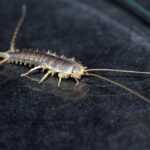
Adults typically measure between ¾ inch and 1 inch long and have a distinctively tapered, carrot-like body shape that allows them to maneuver through tight spaces. Their silvery-blue color, combined with their unique side-to-side movement, gives them a fish-like appearance, hence the name. Their six legs and tiny scales add to their distinct features.
What Do They Eat?
Silverfish eat a variety of starchy foods, including paper, glue, cardboard boxes, fabrics, and even dead insects. Their diet also includes fibers, hair, linens, wallpaper, and other paper products. Their ability to feed on high-starch materials allows them to thrive in many parts of your house, potentially causing extensive damage if left unchecked.
How They Enter Homes
These pests find their way into homes through tiny openings, including cracks in foundations, gaps around doors and windows, and crevices in walls. They are particularly drawn to environments that provide the humidity and food sources they need to survive. Knowing how silverfish come inside helps in preventing an infestation.
Common Entry Points
They often enter through cracks in walls, gaps around window frames, openings around doorways, pipes, and other places where the structure is compromised. They exploit structural weaknesses and deteriorated areas, making it essential to inspect and seal these entry points to prevent silverfish infestations.
Why They Are Drawn to Homes
Moisture and food sources primarily attract them to homes. High humidity levels in basements, bathrooms, kitchens, and utility rooms provide ideal conditions. Additionally, they are drawn to materials high in carbohydrates, such as paper and glue, which are abundant in most homes.
Where They Hide in Your Home
These insects are experts at finding harborage in your home, often in damp and dark areas where they can remain undisturbed. They can live for up to three years, making them persistent and difficult to eradicate once established.
Identifying their common hiding spots helps in addressing an infestation early.
Damp Basements and Attics
Basements and attics are prime locations due to their dampness and availability of food sources. These areas often maintain high humidity levels, providing the perfect environment for silverfish to live.
Use hard plastic containers for storage instead of cardboard boxes to prevent infestations, as cardboard can harbor these pests.
Bathrooms, Laundry Rooms, and Utility Rooms
Bathrooms, laundry rooms, and utility rooms are common hiding spots due to the warm, humid conditions created by frequent water use and steam. Items like rugs, shower curtains, bath mats, towels, wallpaper, and clothing can all be damaged by silverfish.
They can also hide in less obvious places, such as behind wallpaper, within bookshelves, crevices, and stored items. Regular cleaning and inspection are crucial, as silverfish infestations spread quietly through clutter and paper products. The presence of shed skins, which appear metallic and opaque, can also indicate an ongoing infestation.
Signs of a Silverfish Infestation
Identifying the signs is crucial for addressing the problem early. These nocturnal bugs are quick to scurry away when exposed to light, so spotting them can be challenging. However, there are several indicators you can look for.
Visible Sightings
One of the most obvious signs is finding silverfish themselves. They are more likely to be spotted at night when active, especially in dark, damp areas like basements and bathrooms.
Damage to Items
Silverfish eat starchy foods and paper products, causing irregular holes or notches in paper, books, wallpaper, fabrics, carpets, and clothing. If you notice such damage, it could be a sign of an infestation.
Tiny Scales and Droppings
Small, round black droppings and tiny scales resembling black pepper-like specks indicate their presence. Some individuals may be allergic to these droppings, making it important to address the infestation promptly.
How to Rid of Silverfish
Reducing moisture, sealing entry points, and using traps and insecticides are key to elimination. Regular cleaning and maintenance help prevent establishment.
Maintaining lower humidity levels between 30% and 50% can significantly deter silverfish. Using dehumidifiers and ensuring proper ventilation in basements, bathrooms, and utility rooms helps reduce moisture levels.
Sealing Entry Points
Sealing cracks, crevices, and gaps in walls, floors, and around windows prevents silverfish from coming inside. Using caulk or weather stripping effectively seals these points and reduces the chances of infestations.
Using Traps and Insecticides
Sticky traps and insecticides can effectively eliminate silverfish. Pest control sprays kill on contact, while insecticide foggers target those hiding in hard-to-reach areas.
Professional Help for Silverfish Infestations
For severe infestations, professional pest control services provide effective and long-lasting solutions.
Experts conduct thorough inspections to identify harborage sites and entry points. They possess specialized knowledge and tools to eliminate silverfish and prevent future occurrences.
Silverfish are persistent pests that thrive in moist areas and feed on starchy foods, especially paper products. Understanding their habits and taking proactive steps—such as reducing moisture, sealing entry points, and using traps—can help manage and prevent infestations. For severe infestations, professional pest control services ensure thorough and effective eradication. Take action today to protect your home and enjoy peace of mind.
Frequently Asked Questions
What do silverfish look like?
Silverfish are small, wingless insects with six legs and a tapered, carrot-like body. They have a silvery-blue color and move in a characteristic side-to-side motion.
What do silverfish eat?
Silverfish eat starchy foods, including paper, glue, cardboard boxes, fabrics, carpets, and even dead insects. Their diet allows them to thrive in many parts of your house.
Do silverfish bite?
Silverfish do not bite humans. They have mandibles designed to scrape food, not to bite skin. They are not venomous and do not carry diseases.
How can I prevent silverfish from coming inside?
Seal cracks, crevices, and gaps in walls, floors, and around windows and doors. Reduce moisture levels by using dehumidifiers and proper ventilation. Keep storage areas clean and use plastic containers instead of cardboard boxes.
When should I seek professional help for an infestation?
Seek professional pest control help when infestations spread extensively or when DIY methods fail. Professionals have the expertise and resources to effectively address and prevent silverfish infestations.