White Roaches: Essential Facts You Need to Know
White roaches are juvenile cockroaches that have recently molted, giving them their temporary white appearance. They indicate an active infestation in your home. In this article, you’ll learn why they turn white, how to identify them, the health risks involved, and how to manage infestations.
- White roaches are juvenile cockroaches in a temporary molting stage, often mistaken for a separate species.
- The presence of white roaches indicates a potential infestation, as they signal recent molting activity and increased vulnerability.
- Effective management of white roach infestations includes regular cleaning, DIY methods, professional pest control, and preventative measures to ensure a roach-free environment.
What Are White Roaches?
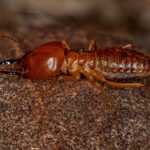
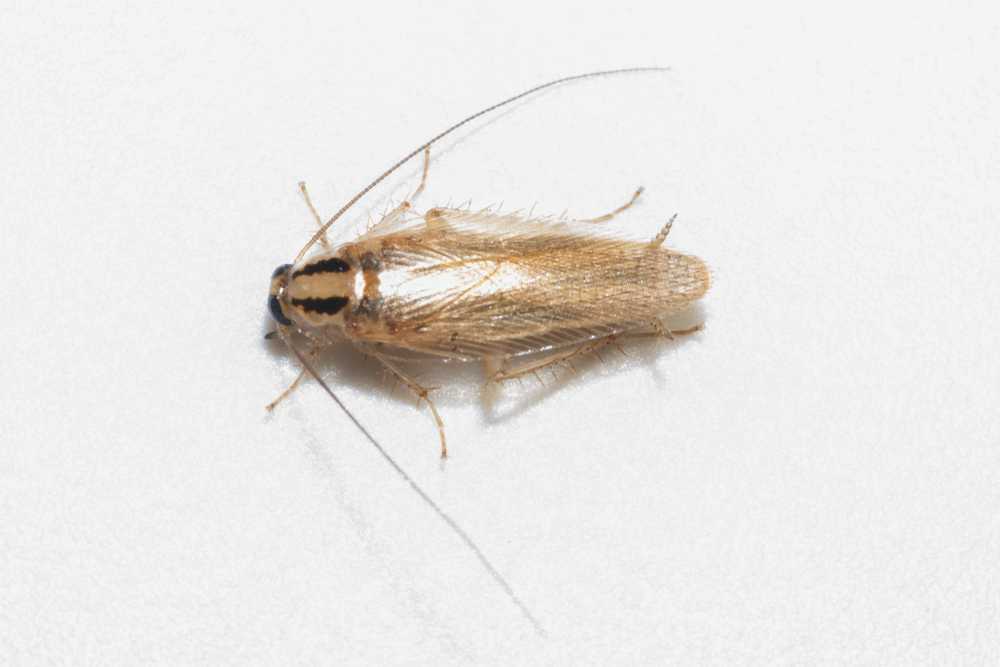
White roaches are not an entirely new species but are juvenile roaches that have recently molted. These insects appear soft and pale due to their white coloration instead of the typical brown or reddish-brown hues. Despite their unusual appearance, albino roach exhibit similar habits to brown roaches. They are rare compared to their darker counterparts but indicate an active and growing infestation when spotted.
The white coloration is temporary and results from the molting process. As roaches grow, they shed their old exoskeleton, revealing a new, soft, white body underneath. This natural lifecycle phase allows them to increase in size. Knowing this process helps in identifying and managing a cockroach infestation effectively.
Identifying White Roaches
Identifying white roaches can be tricky as they are often confused with other pale insects like cicadas and earwigs. However, white roaches have a distinctive milky white coloration and are smaller in size with no fully developed wings.
Unlike adult roaches, these juveniles are more vulnerable and tend to stay hidden until their exoskeleton hardens.
Why Do Roaches Turn White?
Molting allows cockroaches to grow. Right after shedding their old exoskeleton, they turn white, a coloration that lasts briefly before reverting to their typical brown hues, including albino cockroaches.
Homeowners can identify molting activity by noticing a change in the roaches’ activity levels and finding shed exoskeletons in concealed areas.
Are White Roaches Different Species?
White roaches are not a different species but are regular cockroaches in a specific life stage. The white coloration is temporary during molting and does not indicate a new species. Different cockroach species undergo varying numbers of molts before reaching adulthood, which can affect their coloration during lifecycle changes.
Finding a white cockroach usually indicates a growing infestation and suggests that more roaches are likely present.
The Molting Process of Cockroaches
Molting is crucial for cockroaches, enabling growth by shedding the old exoskeleton. A cockroach turns white immediately after shedding, indicating recent molting. This temporary white stage lasts only a few hours before the exoskeleton hardens and the roach returns to its normal color.
Cockroaches can molt up to twelve times in their lifespan, significantly increasing their size each time. This process is vital for their growth and development. Understanding molting helps in identifying and managing infestations more effectively.
How Often Do Roaches Molt?
Cockroaches molt multiple times before reaching adulthood, with the number of molts varying by species. For example, German cockroaches molt around six to seven times in about 103 days. American cockroaches undergo ten to thirteen molts over approximately 600 days to mature.
Oriental and brown-banded cockroaches also have specific molting cycles, taking several months to years to mature.
Vulnerability During Molting
Molting roaches are particularly vulnerable due to their soft bodies. They avoid molting in daylight to reduce the risk of predation. Typically, they retreat to harborage areas for safety during this phase.
The presence of a white cockroach indicates it has recently molted and is in a vulnerable state.
Signs of Molting in Your Home
Finding shed exoskeletons is a clear indicator of cockroach molting activity within a household. These remnants signal that molting roaches are present, and homeowners should be vigilant in monitoring and addressing potential infestations.
Health Risks Associated with White Roaches
White roaches, like their brown counterparts, can carry bacteria and allergens, posing significant health risks over time. Cockroach infestations can worsen asthma symptoms and other respiratory issues due to allergen exposure.
Regular cleaning and vacuuming help eliminate roach feces and old exoskeletons, reducing allergens in your home.
White roaches can spread diseases just like brown roaches. They produce allergens found in their feces, saliva, and body parts, which can trigger allergies and other health issues. It’s crucial to address infestations promptly to minimize health risks.
Allergic Reactions and Asthma
Exposure to allergens from white roaches can cause significant respiratory issues, especially in sensitive individuals. Long-term exposure can worsen asthma symptoms, particularly in children and those with pre-existing conditions.
Cockroach body parts can remain in homes and provoke allergic reactions, making it vital to maintain cleanliness and address infestations promptly.
How to Identify a White Roach Infestation
Finding a white cockroach indicates that their numbers are multiplying, signaling a potential infestation. If you spot a white roach, conduct a full inspection of your house for more roaches and note the location of the sighting. White roaches often conceal themselves in drains, which serve as major entry points and breeding grounds.
The area beneath kitchen sinks, especially if there are leaks, is a preferred hiding place for roaches. Roaches can also thrive under appliances like stoves and water heaters, where warmth and shelter are abundant.
Using over-the-counter baits and traps can effectively reduce white roach populations. Monitoring for signs of roach activity is crucial to catch new infestations early.
Common Hiding Spots
Cockroaches seek dark and secluded areas before molting to reduce vulnerability. After molting, they typically retreat to dark areas, as their soft bodies make them easy targets for predators.
Common hiding spots for white roaches include gaps or cracks in walls, floors, ceilings, kitchen cabinets, crawl spaces, and around sinks and toilets.
Signs of Infestation
Seeing one white cockroach is a clear indication that there are more cockroaches white nearby, and other cockroaches should take action. Droppings from white roaches can contaminate food and surfaces, posing health risks. White cockroaches can lead to further infestations if not addressed. Finding shed skin or droppings can serve as additional signs of a white roach infestation.
Effective Strategies for Eliminating White Roaches
Act quickly using DIY pest control or professional services when a white cockroach is found. It’s crucial to take action quickly. This helps prevent the infestation from spiraling out of control. Sanitation, exclusion, and targeted treatments are effective ways to remove cockroaches from your home. Although white roaches have unique genetic challenges, basic pest control principles still apply.
DIY Pest Control Methods
DIY pest control methods can effectively reduce white roach populations without the need for professional services. Home remedies such as a mixture of boric acid and sugar can attract and eliminate white roaches. Over-the-counter insecticides specifically formulated for roaches can provide quick and effective treatment.
Using home remedies along with over-the-counter solutions offers a comprehensive approach to managing white roach infestations.
Professional Pest Control Solutions
Hiring professional pest control services has its advantages. They possess the tools and expertise to identify and treat white roach infestations effectively. Tools like inspection cameras help find infestations in hard-to-reach areas, making their services highly beneficial. Standard pest control methods typically work well for white roaches.
Long-Term Impacts of Cockroach Infestations
Cockroach infestations can spread diseases, cause hygiene issues, and indicate structural problems. Finding a white cockroach suggests that there might be a larger population present and warrants further inspection throughout the home. Allowing cockroach populations to grow can lead to extensive property damage, including damage to wiring and structural elements.
Infestations can result in nesting within walls or insulation, causing minor but significant structural issues. Cockroaches can chew through various materials, potentially leading to damage of stored items and documents.
The cumulative effects of these damages can compromise the safety and integrity of homes.
Ongoing Health Concerns
Health risks, hygiene concerns, potential allergic reactions, and asthma aggravation are ongoing issues related to cockroach infestations. Their presence may elevate stress and anxiety levels due to the fear of contamination and health risks.
Understanding white roaches, their health risks, and effective elimination strategies is crucial for maintaining a healthy home. Act quickly to manage infestations and take preventative measures to avoid future problems.
Frequently Asked Questions
Are white roaches a different species from brown roaches?
White roaches are not a different species; they are juvenile roaches that have recently molted, resulting in a temporary white coloration.
Can white roaches spread diseases?
Yes, white roaches can spread diseases as they produce allergens in their feces, saliva, and body parts, potentially leading to allergies and health complications. It is important to manage infestations to minimize these risks.
How can I identify a white roach infestation in my home?
To identify a white roach infestation, look for shed exoskeletons, droppings, or the roaches themselves hiding in dark areas like wall gaps, under sinks, and around appliances. Promptly addressing these signs can help you manage the problem effectively.
What are some effective DIY methods for eliminating white roaches?
To effectively eliminate white roaches, use a mixture of boric acid and sugar, apply over-the-counter insecticides, and maintain cleanliness by storing food in airtight containers and regularly disposing of trash. These steps will help create an inhospitable environment for roaches and reduce their population.
Why is it important to act quickly when I spot a white roach?
It is important to act quickly when you spot a white roach because it signals a potential infestation that can escalate rapidly. Taking prompt action helps prevent health risks and further property damage.