Best Mouse Traps for 2026: A Guide to Effective Pest Control
Looking for the best mouse traps to handle a rodent problem effectively? This guide compares the most common trap types, explains where each works best, and outlines a few prevention steps that can help keep mice from returning.
- Snap traps remain one of the most effective and easy-to-use options for most homes.
- Glue traps, electronic traps, humane traps, and bucket traps each work better in different situations.
- Long-term control depends on both trapping mice and sealing entry points to keep them from coming back.
Snap Traps: Classic and Effective
Snap traps have long been a staple in pest control because they are simple, effective, and easy to use. These traps use a sensitive trigger and a strong kill bar to deliver a quick kill, making them one of the most practical options for many homeowners.
They work best when baited with something attractive, such as peanut butter or chocolate. Peanut butter is especially popular because its strong scent and sticky texture help draw mice in and keep them engaged with the trap.
Snap traps are also convenient because they are easy to place, easy to reset, and often easy to dispose of after use. Many models are reusable, which makes them a cost-effective option for longer-term pest control.
For the best results, place snap traps along walls or known mouse travel paths, since mice tend to move along edges rather than across open spaces. When used correctly, snap traps remain one of the most reliable tools for quick indoor mouse control.
Glue Traps: Sticky Solutions
Glue traps, also known as sticky traps, offer another option for catching mice and small rodents. These flat glue boards are especially useful in tight or hard-to-reach places, such as crawl spaces, basements, beneath kitchen stoves, and under cabinets.
One advantage of glue traps is their simplicity. They do not usually require bait, since the adhesive surface catches mice as they move across it. This makes them appealing for homeowners who want a straightforward setup.
However, glue traps do require regular checking and replacement. They should be monitored daily so any captured mice can be dealt with promptly, and they may need to be replaced often to remain effective. Their ability to work in narrow spaces still makes them a useful addition to a pest control plan.
Electronic Mouse Traps: Modern Efficiency
Electronic mouse traps offer a more modern approach to rodent control. These battery-powered devices deliver a high-voltage shock that kills mice quickly upon contact, making them a fast and efficient option.
They are designed with safety in mind and often include features that help prevent accidental activation. This makes them easier and safer to handle, especially in homes with children or pets.
Electronic traps usually require only a small amount of bait, such as peanut butter, to lure mice inside. Their combination of speed, safety, and cleaner disposal makes them a strong choice for homeowners looking for a more high-tech solution.
Humane Mouse Traps: Catch and Release
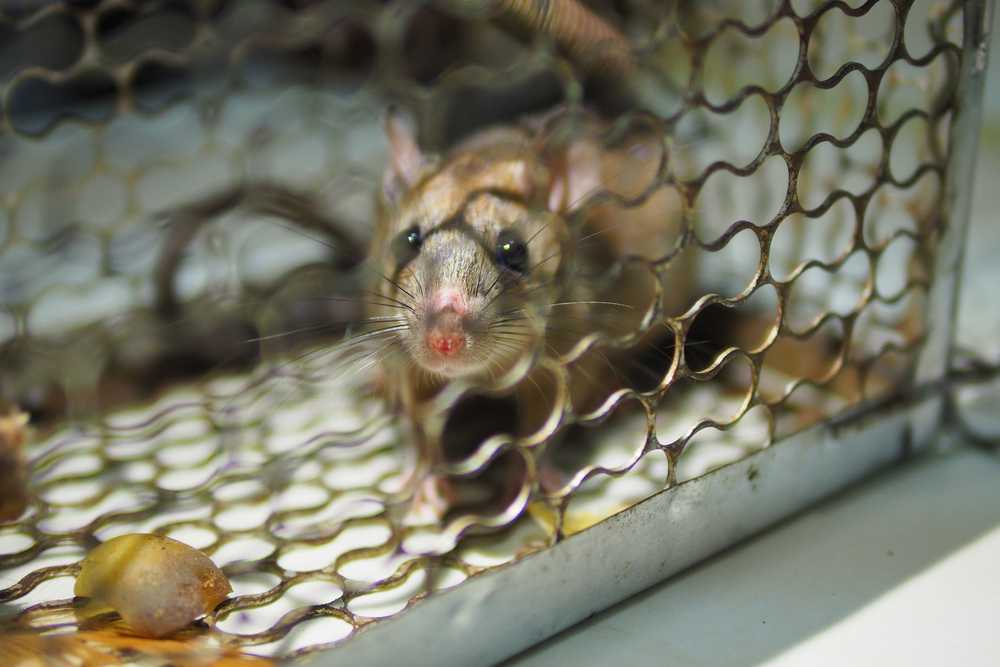
Humane mouse traps, also called live catch traps, allow homeowners to capture mice without killing them. These traps are a good option for people who prefer a more compassionate approach to pest control.
They come in different designs, but all are meant to trap mice safely until they can be released elsewhere. Because the captured mice remain alive, these traps should be checked at least once a day so the animals can be released promptly.
For larger infestations, multiple-catch humane traps can be especially useful because they can hold more than one mouse at a time. Humane traps are best for homeowners who want a non-lethal solution and are willing to handle the extra maintenance that comes with it.
Multiple-Catch Traps: High Capacity
Multiple-catch traps are designed for larger infestations where one trap may not be enough. These traps can capture several mice before needing to be emptied, making them efficient for homes or businesses dealing with heavier rodent activity.
Many models are reusable and designed for easy cleaning, which makes them practical for ongoing pest control. Some also include viewing windows so you can see whether mice have been caught without opening the trap.
Because they can handle several mice at once, multiple-catch traps save time and reduce the need for constant resetting.
Bucket Mouse Traps: DIY Simplicity
Bucket mouse traps are a simple and effective DIY option. These traps use a baited mechanism to lure mice into a bucket where they cannot escape. Some models can reset themselves, making them especially useful for catching multiple mice over time.
One of the biggest advantages of bucket traps is cost. They are inexpensive to set up and can remain effective without much maintenance beyond occasional emptying.
For homeowners who prefer a hands-on, low-cost approach, bucket traps can be an efficient way to manage a rodent problem.
Kill and Seal Traps: Discreet Disposal
Kill and seal traps offer a discreet way to manage mice, especially for people who want less direct contact with the rodent. These traps are designed to seal after a mouse is caught, making disposal easier and more sanitary.
They are relatively affordable and can be a convenient option for people who want a simple, low-mess solution. Once triggered, the trap contains the mouse and helps reduce odors or cleanup concerns.
This feature makes them particularly appealing to homeowners who prefer minimal contact during disposal.
Choosing the Right Trap for Your Needs
The best mouse trap depends on the size of the infestation, where mice are active, and whether you prefer a lethal or humane method. Snap traps work well for most indoor problems, glue traps can help in tight spaces, electronic traps offer quick results with less mess, and humane traps appeal to homeowners who want live capture.
For larger infestations, using multiple traps and placing them along walls, corners, and known travel paths usually gives the best results.
Preventing Future Infestations
Preventing mice from returning starts with sealing gaps and holes around the exterior of the home. Materials such as steel wool, caulk, copper mesh, and expanding foam can help block common entry points.
It also helps to store food in sealed containers, clean up spills quickly, keep garbage closed, and reduce outdoor food sources near the home. These steps make your house less attractive to mice and help support your trapping efforts.
When Professional Help Makes Sense
If mice keep returning despite trapping and prevention efforts, professional pest control may be the best option. A pest control expert can help identify entry points, locate hidden nesting areas, and recommend a more complete treatment plan.
Professional help can be especially useful for larger infestations or situations where rodents are getting into walls, attics, crawl spaces, or other hard-to-reach areas.
Keeping Mice Out for Good
The best mouse trap depends on your goals, the size of the infestation, and where mice are active in the home. Snap traps, glue traps, electronic traps, humane traps, and bucket traps can all be effective when used correctly.
For long-term success, trapping should be combined with prevention steps like sealing entry points, reducing food sources, and keeping indoor and outdoor areas clean. When the problem becomes persistent, professional pest control may be the most effective next step.
Frequently Asked Questions
What is the best bait for mouse traps?
Peanut butter is the best bait for mouse traps because its strong scent and sticky texture effectively attract mice. Using this bait increases your chances of successful trapping.
How often should glue traps be checked?
Glue traps should be checked daily to ensure efficient removal of any caught mice. Regular monitoring prevents suffering and maintains effectiveness.
Are electronic mouse traps safe to use around pets?
Electronic mouse traps are generally safe to use around pets, as they are designed with safety features to prevent accidental activation. Always ensure proper placement to further enhance safety.
What materials can be used to seal rodent entry points?
To effectively seal rodent entry points, use materials such as steel wool, caulk, copper wire mesh, and expanding foam. These options provide durable barriers against rodent infiltration.
How can I prevent future mouse infestations?
To prevent future mouse infestations, seal gaps and holes, manage food sources effectively, and maintain cleanliness in indoor and outdoor areas. Taking these proactive steps will significantly reduce the likelihood of mice returning.