Effective Flea Control: Tips for Your Home, Pet, and Yard
Struggling with a flea infestation? Effective flea control involves a comprehensive strategy for your home, pets, and yard. This article will guide pet owners through understanding flea biology, identifying fleas on dogs and cats, treating your pet, controlling fleas indoors and outdoors, maintaining environmental sanitation, and preventing future infestations.
Understanding Flea Biology
Effectively controlling fleas involves understanding their biology and flea development. Fleas go through four distinct stages in their life cycle:
- Flea eggs
- Flea larvae
- Pupa
- Adult
The duration of each stage can vary, influenced by environmental factors such as temperature and humidity.
Adult female fleas begin laying flea eggs shortly after taking a blood meal, depositing them in the host’s fur and surrounding areas. These eggs hatch into larvae within 1 to 10 days. The larvae feed on dried blood and flea feces, typically found in cracks and deep in carpets where pets spend time. This stage can last several weeks, depending on environmental conditions.
Next, flea larvae spin cocoons and enter the pupal stage. The pupae are protected by their cocoons, shielding them from environmental challenges until they emerge as adults. Adult fleas will only emerge when they detect a host through movement or heat, indicating a potential blood meal.
Once they find a host, adult cat fleas can live on it for 30 to 40 days, laying eggs and perpetuating the cycle. Most fleas remain on their host, which is why treating dogs and cats promptly is vital. Understanding this lifecycle highlights the importance of targeting all stages, not just the adults, to get rid of fleas effectively.
Identifying Fleas on Pets
One of the first signs of a flea infestation is your pet’s behavior. If you notice increased scratching, restlessness, or discomfort, it may be time to inspect your pet for fleas. Grooming your pets with a flea comb is a crucial step in flea control. Regularly checking your pet’s skin with a flea comb helps detect fleas early and ensures ongoing treatment effectiveness.
Flea dirt, which is flea feces made from digested blood, is another indicator of a flea problem. Using a damp, light-colored towel can help identify flea dirt. When brushed onto the towel, flea dirt will leave red or pink stains, confirming the presence of fleas. During grooming, it’s advisable to dip the flea comb in soapy water to kill fleas and prevent them from jumping back onto your pet.
It’s also important to check areas where your pets sleep and rest, such as their bedding and favorite spots in the house. Fleas often congregate in these areas, making it essential to wash pet bedding regularly and maintain a clean environment. Regular inspections of your pets can help you catch flea infestations early and act swiftly to manage them.
Treating Your Pet
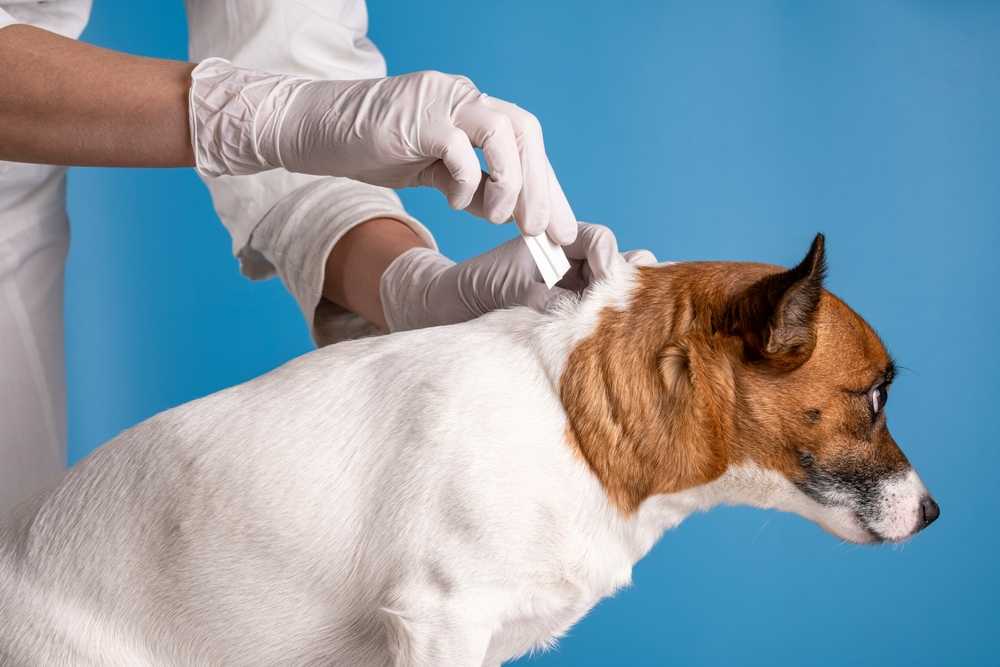
Treating your pet effectively is a cornerstone of flea control. Start by choosing an appropriate flea control product for your pet. It’s essential to read the label carefully to ensure the product is suitable for your pet’s type and weight. Products like Frontline Plus for cats kill adult fleas and treat pets by preventing their eggs from hatching, offering comprehensive protection.
Sticking to the recommended treatment schedule is crucial for maintaining the effectiveness of flea treatments. Administering flea and tick treatments early in the year, before flea populations begin to build, can also help keep infestations at bay. For dogs, options like Simparica Trio and Bravecto provide extensive protection against fleas, tick infestations, and internal parasites, including heartworm disease.
Avoid using flea control products containing permethrin and amitraz on cats as they can be toxic. Seresto collars offer long-lasting protection for dogs, while Revolution Plus is a monthly topical treatment suitable for cats. By using the right active ingredients and following a consistent treatment regimen, you can effectively protect your pets from fleas, dog fleas, and chewing lice.
Controlling Fleas Indoors
A multifaceted approach is needed for controlling fleas indoors. Vacuuming carpets with a beater-bar brush is essential for extracting adult fleas and their larvae from carpet fibers. Proper disposal of the vacuum bag after use helps prevent reinfestation. For added effectiveness, steam cleaning carpets can enhance the removal of fleas, especially when combined with regular vacuuming.
Focusing cleaning efforts on ‘source points’ where pets spend time and frequently rest is crucial for managing indoor flea populations. Regularly washing pet bedding and toys with hot water helps kill fleas and their eggs, reducing the risk of re-infestation.
Insecticides containing insect growth regulators (IGRs) like methoprene or pyriproxyfen are recommended for indoor flea control. These products target both adult fleas and immature life stages, providing comprehensive control by interrupting insect development. However, insecticide foggers may not penetrate areas where immature fleas reside, such as under furniture.
In cases of severe infestations, consulting a pest control professional is advisable. They can provide targeted treatments and ensure that all stages of the flea life cycle are addressed. Regular cleaning combined with effective insecticides can help keep indoor fleas at bay.
Managing Outdoor Fleas
Outdoor flea control is just as important as indoor measures. Start by controlling fleas on all animals that frequent your yard, including pets, stray dogs, feral cats, and other feral animals. High numbers of fleas can occur in the yard due to flea-infested pets or wild animals, so it’s crucial to address these sources.
Regularly mowing the lawn and trimming shrubs can help eliminate flea-friendly environments. Tall grass and dense shrubs provide ideal hiding spots for fleas, so keeping your yard well-maintained is key. Removing organic debris and maintaining a tidy yard can significantly reduce flea habitats.
Natural treatments like beneficial nematodes or diatomaceous earth can be effective in controlling fleas in your yard. Additionally, avoid free-choice feeding in areas accessible to strays or wild animals to prevent attracting unwanted animals that may carry fleas. Standing water can also attract wild animals, contributing to infestations, so ensure your yard is free of such water sources.
Understanding Flea Bites and Allergies
Flea bites can cause significant discomfort and health issues for both pets and humans. A flea bite typically appears as a small red spot with a red halo and can be quite irritating. These bites can lead to intense itching and may develop into blisters or small wounds if scratched.
Some pets may develop flea allergy dermatitis, where even just one flea bite can trigger an allergic reaction. Common health problems caused by flea infestations in pets include flea allergy dermatitis, skin problems, anemia, and sarcoptic mange. Secondary infections are often a result of scratching flea bites.
Treatment for flea bites includes applying ice packs and using topical creams to alleviate swelling and itching. Flea dirt, which appears as black specks on your pet’s skin, is another indicator of a flea problem. Common areas for fleas and their dirt to be found on pets include the base of the tail, around the neck, and on the belly.
Fleas prefer to congregate in warm areas of the pet’s body, making thorough inspections necessary.
Common Mistakes in Flea Control
Avoid common pitfalls, such as treating only the pet and ignoring the environment, using inappropriate products for your pet’s species, improper pest control methods in your yard, improper rodent prevention, or inconsistent treatment schedules. Missing source points in the home or yard can lead to persistent infestations. Always follow product instructions and consult professionals when needed.
Preventing Future Infestations
Preventing future flea infestations involves a combination of proactive measures and regular maintenance. Using flea collars and spot-on treatments on pets provides an effective barrier against flea infestations. Regular maintenance of home cleanliness through vacuuming and pet grooming is crucial in preventing flea infestations.
Washing pet bedding regularly is an important part of the flea control regimen. After successful flea treatment, continuing to clean and use on-pet treatments helps maintain control. Maintaining these preventative measures will protect your home and pets from future flea problems.
Effective flea control involves understanding flea biology, identifying infestations early, and using the right flea control products for your pets, home, and yard. Regular cleaning and maintenance, combined with preventative measures, can help keep fleas at bay. When infestations become severe, professional pest control services can provide the necessary expertise to eliminate fleas.
Don’t let fleas take over your home. With the right knowledge and tools, you can protect your pets and family from these pesky invaders. Remember, protecting pets is key to successful flea control.
Frequently Asked Questions
What are the signs of a flea infestation on my pet?
If you notice your pet scratching more than usual, showing restlessness, or if you find flea dirt in their fur, these are clear indicators of a flea infestation. Addressing these signs promptly is essential for your pet’s comfort and health.
How often should I treat my pet for fleas?
You should treat your pet for fleas according to the product label instructions or your veterinarian’s advice, as regular treatments are essential for effectiveness.
Can fleas survive in my home without a pet?
Fleas can survive for a limited time without a pet, but they ultimately require a blood meal to reproduce. Regular cleaning is essential to help eliminate any potential infestations.
What should I do if DIY flea treatments are not working?
If DIY flea treatments are not working, it is advisable to consult a pest control professional for a more effective and targeted approach.
How can I prevent future flea infestations?
To effectively prevent future flea infestations, employ flea collars and spot-on treatments, alongside regular cleaning and maintaining a tidy environment. These measures will significantly reduce the likelihood of fleas returning.