Effective Dry Wood Termites Control & Treatment Options
Dry wood termites can severely damage your home. This article explains how to identify them, recognize infestation signs, and choose the best treatment options.
- Drywood termites are identifiable by their elongated bodies, straight antennae, and shed wings, with signs of infestation including frass and visible wood damage.
- These termites thrive in warmer climates and can enter homes through cracks and gaps, necessitating preventive measures such as sealing entry points and regular inspections.
- Effective control methods include fumigation, heat treatments, and localized treatments, while seeking professional assistance ensures comprehensive management and prevention of future infestations.
Identifying Dry Wood Termites
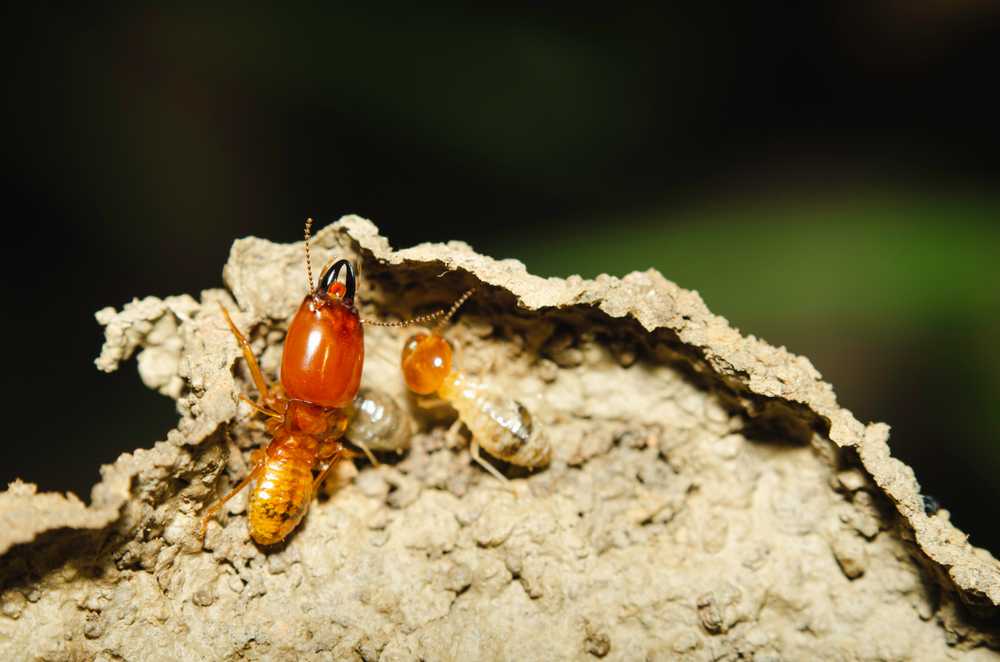
When it comes to identifying drywood termites, recognizing their physical characteristics is key. These termites have:
- elongated, rectangular bodies that range in color from creamy-white to light brown
- straight antennae
- two sets of wings that are the same length as their bodies, which they shed after swarming
Unlike other termite species, drywood termites do not require contact with soil, making them unique in their habits and habitats.
Spotting these pests early can save you from extensive damage down the road. Drywood termites primarily affect wooden structures, so look out for signs on any exposed wood around your home. The ability to identify these termites quickly and accurately is crucial for addressing infestations promptly and effectively.
One of the most distinctive features of drywood termites is their discarded wings. After a swarm, you might find these wings near windowsills, door frames, or other entry points. These wings are a telltale sign that reproductive termites, or swarmers, have entered your home and are looking to establish new colonies.
Another critical point of identification is the presence of frass, or termite droppings. These tiny pellets can often be found in small mounds near infested wood, indicating active termite activity. Recognizing these signs early can make all the difference in managing a drywood termite infestation.
Dry Wood Termite Habitat
Drywood termites thrive in specific environments that cater to their unique needs. They are commonly found in warmer, tropical climates with mild winters, such as the West Coast, Florida, Hawaii, Texas, and the Carolinas. Unlike subterranean termites, drywood termites do not need contact with moist soil to survive; this is where drywood termites live, perfectly suited to living within the dry wood of your home.
These termites create colonies in wood and other termites, preferring hard, dry wood. They can enter your home through cracks in windows, doors, and unprotected vents. Often, they find entry points around window and door frames, which can go unnoticed until significant damage has already occurred.
Once inside, drywood termites can disperse widely, infesting multiple rooms and floors. This widespread dispersal makes it challenging to control and eliminate them without professional help. Understanding their habitat and entry points helps in early detection and prevention of infestations.
Signs of An Infestation
Identifying a drywood termite infestation early can prevent extensive damage to your home. One of the most common signs is the presence of frass, or termite droppings. These fecal pellets produce fecal pellets that are small, six-sided, and resemble sand. They are typically found in mounds and can be light-tan to dark in color, often exiting through tiny holes in the wood.
However, the presence of frass alone does not confirm an active infestation, as it can continue to appear long after the termites are gone. Look for additional signs, such as small holes in wood and discarded wings nearby. These wings are usually found near windows or other entry points and are a strong indicator of a recent swarm.
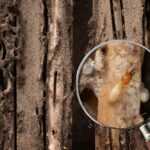
Visible damage to wood is another critical indicator of a drywood termite problem. This damage can include cracked wood surfaces and small holes that serve as entry or exit points for the termites. If you notice these signs, it’s crucial to take action immediately to prevent further damage and potential structural issues.
Drywood termite infestations can be subtle and easy to overlook until significant drywood termite damage has already occurred. Regular inspections and vigilance help catch these pests early and mitigate their destructive impact on your home.
Dry Wood Termite Damage
The damage caused by drywood termites can be extensive and costly if not addressed promptly. These pests damage wood from within, creating complex tunnels that can compromise the structural integrity of your home. Over time, this internal damage can lead to severe structural problems, making it essential to detect and treat infestations early.
In the United States, the cost of damage caused by termites exceeds $5 billion annually. Unfortunately, most homeowner insurance policies do not cover termite damage, leaving homeowners to bear the financial burden. The cost of repairing damage from drywood termites can vary significantly depending on the size of the infestation and the type of wood affected.
If left untreated, drywood termites can also lead to secondary issues such as mold and wood rot, further complicating the repair process and increasing costs. Professional pest control services can assess the damage comprehensively and guide you through necessary repairs to restore your home’s integrity.
Reproduction and Swarming Behavior
Swarming is a significant behavior that indicates a drywood termite infestation. In Florida, drywood termites typically swarm during spring and summer, from May to September. During a swarm, reproductive termites, also known as swarmers, leave their existing colonies to establish new ones, often gaining access to wood through small holes or crevices.
The lifecycle of drywood termites includes several stages. Nymphs pass through four to seven instars before reaching adulthood. Understanding this lifecycle aids in identifying and treating infestations at different stages, ensuring more effective control measures.
Observing swarming behavior, such as the presence of discarded wings or swarmers themselves, is crucial for early detection of drywood termite infestations. These signs indicate that new colonies are being established, which can quickly lead to widespread damage if not addressed promptly.
How Dry Wood Termites Enter Homes
Drywood termites can enter homes through various entry points, making it challenging to keep them out. Common entry points include cracks in wood, gaps in siding, and even infested furniture. Once inside, these termites can disperse widely, infesting multiple rooms and floors, making it difficult to control and eliminate them without professional help.
Knowing how drywood termites enter homes is crucial for preventing infestations. Sealing cracks and gaps in windows and doors can significantly reduce the risk of these pests gaining entry. Regular inspections and maintenance can also help identify potential entry points and address them before an infestation occurs.
Effective Control Methods
When it comes to controlling drywood termites, there are several effective methods available:
- Fumigation: Typically recommended for severe and widespread infestations. This method involves placing a tent over the home and releasing a fumigant, such as sulfuryl fluoride, which effectively kills drywood termites within several days.
- Localized treatments: These can include the use of liquid insecticides or heat treatments that target specific areas of infestation.
- Preventive measures: Regular inspections and maintaining proper ventilation can help prevent future infestations.
Although fumigation can eliminate active colonies, it does not prevent future infestations.
Another effective method is heat treatment, which has the advantage of a shorter vacating time compared to fumigation. This method involves raising the temperature of the infested area to levels that are lethal to termites. Like fumigation, heat treatment is a whole-structure treatment that ensures all infestations within the structure are addressed simultaneously.
Localized treatments, such as microwave treatments, can be used to target specific areas of infestation. These methods are often less invasive and do not leave chemical residues. However, ensuring complete control with localized treatments can be challenging due to the difficulty in determining the full extent of the infestation.
Prevention Tips
Preventing drywood termite infestations requires a proactive approach. Regular home inspections can identify and eliminate sources that attract termites. Sealing cracks and gaps in windows and doors effectively prevents these pests from entering indoor spaces.
Using a stainless steel mesh for screens can block entry points for termites, while keeping firewood and scrap wood at least 20 feet away from the house minimizes the risk of attracting drywood termites. Decluttering and removing old or damaged wood furniture can also deter termites by eliminating potential nesting sites.
Professional pest control companies offer long-term monitoring and preventive treatments, such as applying wood preservatives or treatments containing borate to protect wooden structures from termite infestations. Turning off outdoor lights at night reduces the attraction of swarming termites and minimizes the risk of an infestation.
Professional Help
When it comes to managing and eliminating drywood termite infestations, professional help is crucial. Before choosing a pest control company, check their reputation, client referrals, business license status, and any consumer complaints.
Understanding and addressing drywood termite infestations is crucial for maintaining the integrity of your home. By identifying these pests early, recognizing the signs of infestation, and implementing effective control methods and prevention tips, you can protect your home from extensive damage.
Frequently Asked Questions
What are the physical characteristics of drywood termites?
Drywood termites possess elongated, rectangular bodies that vary in color from creamy-white to light brown. Their straight antennae and two sets of equally sized wings further distinguish them.
How do drywood termites enter homes?
Drywood termites enter homes through cracks in wood, gaps in siding, or by infesting furniture. It is essential to seal these entry points to prevent their intrusion.
What are the signs of a drywood termite infestation?
The presence of frass, small holes in wood, and discarded wings near windows or entry points are clear signs of a drywood termite infestation. Addressing these indicators promptly is essential to prevent further damage.
What is the recommended method for treating severe drywood termite infestations?
Fumigation is the most effective method for treating severe drywood termite infestations, as it involves tenting the home and dispersing a fumigant to eradicate the termites. This approach ensures comprehensive treatment of the affected areas.
How can I prevent drywood termite infestations?
To effectively prevent drywood termite infestations, conduct regular home inspections, seal cracks and gaps in walls and windows, and keep firewood stored away from the house. Implementing these measures, along with professional pest control monitoring, will greatly reduce the risk of an infestation.