Pest Control for Ants: What Homeowners Should Know
Got ants invading your home? This guide explains how to identify common ant species, spot the signs of an infestation, use practical DIY methods, and know when professional treatment may be the better option.
What to Know
- Identifying the ant species is important because different ants respond better to different treatment methods.
- Early signs of infestation include live ants in food areas, visible trails, and nests near the home.
- DIY control may help with small infestations, but larger or recurring problems often need professional treatment.
Identifying Common Ant Species
Recognizing the specific ant species in your home is crucial for effective pest control. Each species has unique characteristics and behaviors, so the methods to eliminate them can differ significantly.
Carpenter Ants
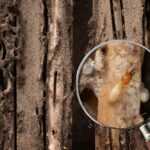
Carpenter ants are one of the more troublesome species. These large, often reddish-black ants create nests in wood, causing structural damage without consuming the wood itself. If you notice sawdust-like shavings around wood structures in your home, you might be dealing with carpenter ants.
Fire Ants
Fire ants are another problematic species. Known for their aggressive behavior and painful stings, these reddish ants can grow up to ⅜ of an inch long and form large colonies that can exceed 500,000 individuals. Their nests are often found in sunny, open areas, and disturbing a fire ant mound can lead to a swarm attack.
Pharaoh Ants
Pharaoh ants are small, yellow ants averaging just 1/16 of an inch. They prefer warm, moist indoor areas and often nest behind baseboards or inside walls. Due to their tiny size and preference for hidden nesting spots, pharaoh ants can be particularly challenging to eradicate.
Odorous House Ants
Lastly, odorous house ants are tiny, ranging from 1/16 to ⅛ inch. They emit a coconut scent when crushed, which is a distinctive characteristic. These ants build nests in shallow areas close to food sources, making them a common indoor pest. Knowing how to identify these common household ants will greatly enhance your pest control efforts.
Signs of an Ant Infestation
Early signs of an ant infestation often include visible trails of ants near food or moisture, repeated sightings in kitchens or bathrooms, and small nests or soil mounds around the home. Some species may also gather near pet food, trash, sugary spills, or cracks along foundations and entry points.
Catching these signs early can help prevent a small ant problem from spreading into a larger infestation.
DIY Methods to Kill Ants
Several DIY methods can help manage smaller ant infestations:
- Bait stations: Worker ants carry poisoned bait back to the colony, which can help reduce the nest over time.
- Vinegar or essential oils: These can disrupt ant scent trails and make it harder for ants to navigate.
- Baking soda and powdered sugar: This combination may help kill ants after they consume it.
- Borax and sugar water: A common homemade bait that attracts ants and kills them after ingestion.
- Diatomaceous earth: This can damage ants’ outer layer and cause dehydration when applied in active areas.
These methods may help with light infestations, but they often work best when combined with sanitation and entry-point sealing.
Professional Pest Control Solutions
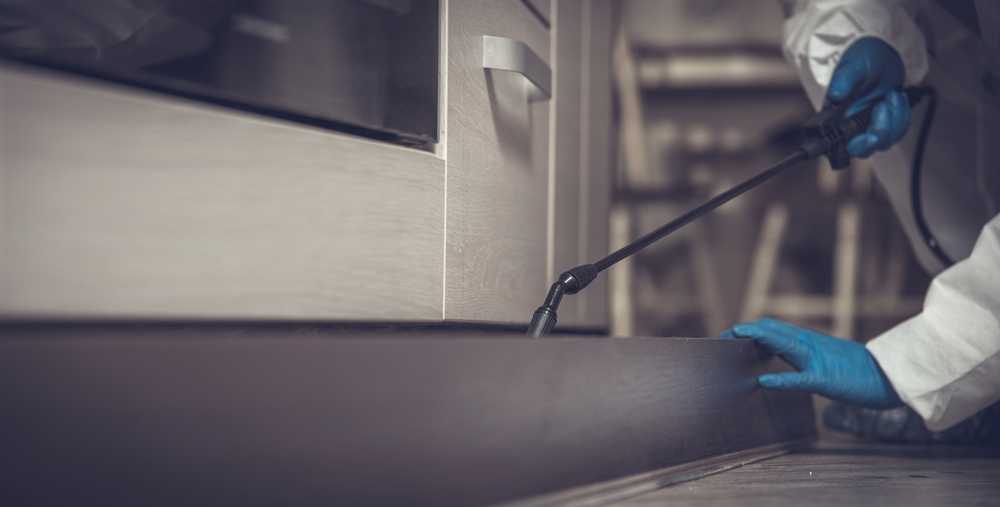
When DIY methods fall short for severe or widespread infestations, a pest control professional is the best option. Experts can efficiently locate and treat hidden nests that DIY methods might miss.
Species like carpenter ants can cause structural damage, requiring immediate professional intervention. Professionals have access to stronger pesticides, eliminating ant populations more effectively than store-bought products, saving time and costs from ineffective DIY attempts.
Hiring a pest control service ensures expert care tailored to your situation, providing long-term solutions and preventive measures. For severe infestations, professional help is essential for achieving long-term control and peace of mind.
Preventing Future Infestations
Preventing future infestations is as important as addressing current ones. Maintaining a clean environment by regularly wiping surfaces and sweeping food crumbs can reduce the likelihood of attracting ants. Sealing cracks and gaps around windows and doors also prevents entry.
Trimming trees and bushes and maintaining yard foliage can prevent ants from approaching your house. Storing firewood away from your home also prevents ants from nesting in it and gaining easy access to your property.
Using natural deterrents like cinnamon and vinegar around entry points can repel ants without chemicals. These simple measures enhance DIY ant control methods and help maintain an ant-free home.
Regular inspections and cleanliness are key to preventing future infestations. Staying vigilant and proactive can help prevent future infestations from becoming a recurring problem.
Choosing a Pest Control Company
If professional help is needed, look for a pest control company with licensed applicators, clear treatment plans, and good customer reviews. It is also worth asking whether they provide follow-up visits, service guarantees, and ant-specific treatment strategies.
Choosing a company based on both experience and service quality can make long-term ant control more effective.
Keeping Ants Out of Your Home
Ant problems are easier to manage when you identify the species early, remove food and moisture sources, and respond before the colony spreads. DIY methods may help with small infestations, but larger or recurring problems often require professional treatment.
With the right mix of prevention, targeted treatment, and ongoing maintenance, homeowners can reduce ant activity and protect their homes from future infestations.
Frequently Asked Questions
What are the common signs of an ant infestation?
The presence of numerous live ants in food preparation areas and visible ant nests are clear indicators of an ant infestation. Additionally, specific behaviors of different ant species can also signal a problem.
How effective are DIY methods compared to professional pest control?
DIY methods may work for minor pest issues, but professional pest control is essential for severe infestations to ensure effective and long-lasting results.
What measures can I take to prevent future ant infestations?
To prevent future ant infestations, maintain a clean environment, seal entry points, and regularly inspect your home for potential vulnerabilities. Implementing natural deterrents such as cinnamon and vinegar around entry areas can also be effective.
When should I call a pest control professional?
You should call a pest control professional if your DIY methods are ineffective or if you are faced with a severe infestation. Prompt action can prevent further damage and ensure effective resolution.
How do I choose the right pest control company?
To choose the right pest control company, evaluate their quality and value, verify their credentials, obtain multiple estimates, and ensure you understand the terms of their service guarantees. Avoid any company that employs pressure tactics during the decision-making process.