Earwig Bites and Pinches: Symptoms, Treatment, and Prevention
Many people worry about pincher bug bites, but earwigs usually pinch only when they feel threatened. Their pincers can cause minor skin irritation, but they do not spread disease or create serious medical problems in most cases. This guide explains how to recognize earwig pinches, treat minor reactions, and prevent earwigs from becoming a nuisance around the home.
- Earwigs use their pincers mainly for self-defense and do not spread disease.
- Earwig pinches may cause red marks, swelling, and mild discomfort, but serious complications are uncommon.
- Preventing earwig infestations usually involves reducing moisture and sealing entry points around the home.
What is a Pincher Bug?
Pincher bugs, more commonly called earwigs, are insects known for the forceps-like pincers at the end of their abdomen. Although their appearance can be intimidating, they are usually more of a nuisance than a danger to people. Earwigs prefer dark, damp places such as basements, bathrooms, garages, gardens, and areas around mulch or potted plants.
They are mostly active at night and tend to hide during the day, which is why homeowners often do not notice them until conditions around the home support larger numbers.
Do Pincher Bugs Bite?
The term “bite” is a little misleading when referring to pincher bugs. Earwigs do not bite in the way that mosquitoes or other insects do. Instead, they use their pincers to pinch when they feel threatened. While those pincers can occasionally break the skin, especially in larger adults, serious injury is uncommon.
Unlike many biting insects, earwigs do not inject venom and do not spread disease through pinches.
Symptoms of an Earwig Pinch
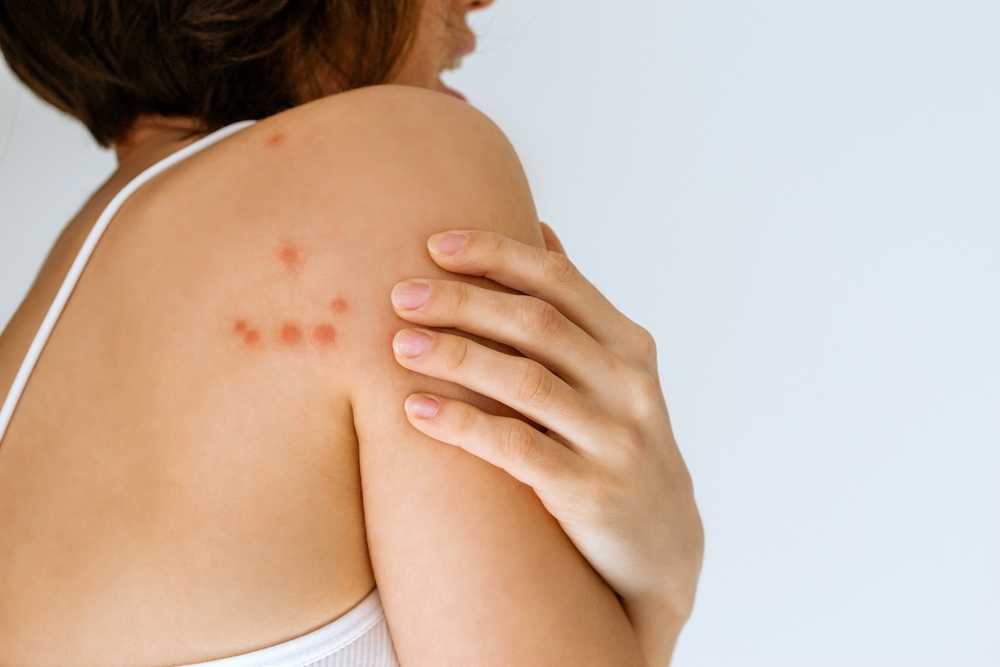
Typical signs of a pincher bug pinch include:
- Two red-pink marks close together
- Redness and swelling around the area
- Mild discomfort or pain
- Occasional minor bleeding if the skin is broken
These red marks differ from mosquito bites because they result from the pincers rather than biting mouthparts. Recognizing these symptoms helps in providing appropriate treatment promptly.
Complications from Pincher Bug Bites
Pincher bug pinches are usually minor, but if the skin breaks, the area should be cleaned well to reduce the risk of infection. Because earwigs often live in soil, mulch, and damp organic material, bacteria can enter small wounds if the area is not cared for properly.
More serious reactions are uncommon, but persistent redness, swelling, worsening pain, or signs of infection should be checked by a medical professional. In most cases, simple cleaning and basic first aid are enough for recovery.
Treating Pincher Bug Bites
If pinched by a pincher bug, remain calm and follow these steps:
- Clean the affected area with warm water and soap.
- Apply an antibacterial cream if the skin is broken.
- Use an ice pack for short periods to reduce swelling and redness.
- Take antihistamines if itching occurs to prevent scratching.
These simple treatments help manage symptoms and prevent minor injuries from worsening.
Preventing Pincher Bug Infestations
To help prevent earwigs from becoming a problem around the home:
- reduce excess moisture around foundations and entry points
- fix leaks and improve drainage
- remove mulch, leaf piles, and other damp debris near the house
- seal cracks, gaps, and other possible entry points
- keep basements, garages, and crawl spaces as dry as possible
- use traps or professional pest control if activity becomes persistent
These steps can make your home less attractive to earwigs and reduce the chances of repeated indoor activity.
Are Pincher Bugs Dangerous?
Despite their intimidating appearance and distinctive pincers, pincher bugs are not dangerous to humans or pets. Their pincers serve as a self-defense mechanism and are used only when they feel threatened. They do not spread diseases and rarely cause serious health issues.
Pincher bugs can damage garden plants but pose no substantial threat to people or domestic animals. Understanding these facts helps reduce unnecessary fear and promotes effective pest management.
Myths About Pincher Bugs
A common myth is that earwigs crawl into people’s ears, lay eggs, or cause brain damage. This belief, originating from medieval science and folklore, is false. While small insects can accidentally crawl into a person’s ear canal, earwigs do not intentionally seek people’s ears or cause harm.
The name “earwig” derives from old English terms meaning “ear insect,” and “ear wiggler” is another nickname based on their appearance and movement. Dispelling these myths helps people approach these insects with accurate knowledge and less fear.
Keeping Earwigs Under Control
Earwigs may look intimidating because of their pincers, but they are usually more of a nuisance than a danger to people. Their pinches can cause minor irritation, especially if they feel threatened, but they do not spread disease or create serious medical problems in most cases.
Understanding how to identify earwigs, treat minor pinches, and reduce the damp hiding places that attract them can make them much easier to manage. If earwig activity becomes persistent around the home, targeted prevention and pest control can help reduce the problem and keep your living spaces more comfortable.
Frequently Asked Questions
What should I do if a pincher bug pinch breaks the skin?
Clean the wound immediately with warm water and soap, apply antibacterial ointment, and cover with a bandage if necessary to prevent infection.
How can I prevent pincher bugs from entering my home?
Reduce moisture, seal foundation gaps, remove debris like wood and compost piles, trim surrounding plants, use natural repellents such as soapy water or petroleum jelly, and set traps to control earwig populations effectively.
Can pincher bugs cause allergic reactions?
Allergic reactions to pincher bug pinches are extremely rare. If you experience unusual swelling, redness, or difficulty breathing after a pinch, seek medical attention immediately.
Are pincher bugs attracted to lights?
Yes, pincher bugs are nocturnal and often attracted to light sources, which is why they may be found near windows or outdoor lights at night.
Do pincher bugs pose a threat to pets?
Pincher bugs are not dangerous to pets. While they may pinch if handled roughly, their pinch is generally harmless and does not transmit diseases.