How to Get Rid of Tree Rats Around Your Home
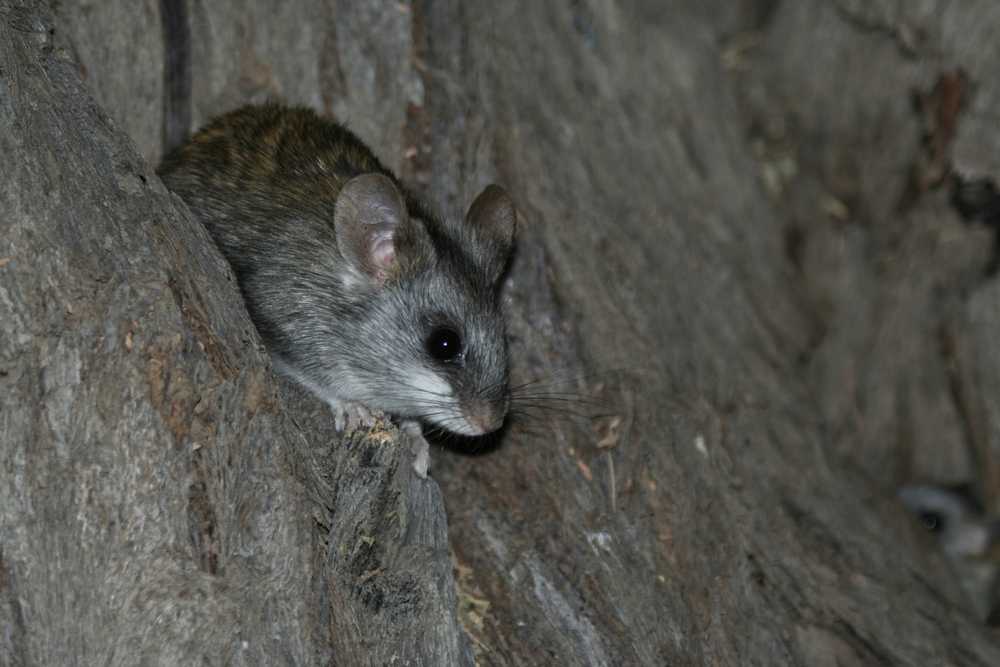
Tree rats, also known as roof rats or black rats (Rattus rattus), are agile climbers that often nest in attics, rooftops, and tree hollows. These rodents can damage property, contaminate stored items, and spread disease-causing organisms. This guide explains how to recognize tree rat activity, what attracts them, and which prevention and control steps can help keep them away from your home.
What to Know
- Tree rats, also known as roof rats or black rats, are strong climbers that often use trees and rooflines to reach homes.
- Common warning signs include scratching sounds, droppings, gnaw marks, and activity around attics, roofs, and trees.
- Long-term control depends on cutting off food, limiting roof access, sealing entry points, and using targeted treatment when needed.
Why Tree Rats Are a Problem
Tree rats create problems because they can access parts of the home that other rodents may not reach as easily. Their climbing ability allows them to move from trees and shrubs onto roofs, into attics, and along elevated structural features. Once inside, they may chew wires, damage insulation, contaminate stored items, and create unsanitary nesting sites.
They can also spread bacteria and other disease-causing organisms through droppings, urine, and contact with food storage areas. Because they often stay hidden in upper structures or dense vegetation, infestations may continue for a while before homeowners realize what is happening.
Signs of Tree Rats Around the Home
Tree rat activity is often first noticed through sound or damage. Common warning signs include scratching or scurrying noises in attics, ceilings, or walls, especially at night when these rodents are most active.
Other signs may include:
- droppings in attics, garages, crawl spaces, or near food storage
- gnaw marks on wood, wires, or plastic materials
- disturbed insulation or nesting material
- damaged fruit on trees or fallen produce with bite marks
- activity around rooflines, eaves, fences, or branches near the house
Because tree rats are nocturnal, you may not see them directly during the day. Instead, the damage and noise they leave behind are often the first clues.
Where Tree Rats Nest
Tree rats prefer elevated nesting areas that give them protection and easy access to food. Around homes, they often nest in:
- attics and roof voids
- wall voids
- garages and sheds
- tree hollows
- dense shrubs or thick vines
- stacked storage in upper or sheltered areas
Their nesting preferences are one of the main reasons they are harder to control than rodents that stay closer to the ground. They use height as protection, which allows them to avoid people, pets, and some common control methods.
What Attracts Tree Rats
Tree rats are drawn to places that offer food, water, shelter, and climbing access. In residential areas, some of the biggest attractants include fruit trees, bird feeders, pet food, compost, garbage, and dense landscaping.
They are especially likely to settle near homes when:
- tree branches touch or hang over the roof
- outdoor food sources are easy to reach
- shrubs and vines create sheltered travel paths
- cluttered storage areas offer nesting cover
- gaps in roofs, vents, or eaves give them access indoors
If these conditions remain in place, tree rats may continue returning even after some are removed.
How to Keep Tree Rats Away
Remove Food Sources
One of the most important steps is cutting off access to food. Fallen fruit should be picked up regularly, bird seed should be managed carefully, and pet food should not be left out overnight. Garbage lids should stay closed, and compost areas should be maintained in a way that does not encourage feeding.
Reducing food access makes the property less attractive and can help limit repeated activity.
Seal Entry Points
Tree rats can squeeze through surprisingly small openings, so sealing entry points is essential. Check roof edges, vents, gaps under eaves, utility openings, and cracks in upper exterior areas. Durable materials such as metal mesh, steel wool, and proper sealants can help block access.
Because these rodents often enter from above, homeowners should pay special attention to rooflines and attic vents rather than focusing only on ground-level gaps.
Trim Trees and Roof Access
This is one of the most important tree-rat prevention steps. Branches that touch or overhang the roof can act like direct highways into the home. Trimming trees away from the house reduces easy access and makes it harder for rats to move from landscaping into upper structures.
Shrubs, climbing vines, and dense vegetation near the house should also be kept under control so they do not create hidden travel routes or nesting cover.
How to Get Rid of Tree Rats
Traps and Baiting
Tree rat control often involves a combination of traps and baiting placed in active areas. Snap traps, enclosed bait stations, and targeted rodent control methods may all play a role depending on where activity is occurring. Placement matters a lot, since tree rats tend to travel along walls, beams, rooflines, and habitual runways rather than crossing open spaces randomly.
Because these rodents often nest in elevated or hidden places, successful trapping usually depends on locating the pathways they use most often.
When Professional Control Makes Sense
Professional help may be the best option when tree rats are repeatedly entering attics, roofs, or wall spaces, or when the infestation has already spread through multiple parts of the property. A trained pest control professional can identify likely access routes, locate nesting areas, and build a treatment plan that is more thorough than basic DIY efforts.
Professional control can be especially useful when rats are difficult to reach, when roof access is involved, or when damage to insulation, wiring, or structural areas has already started.
Keeping Tree Rats from Coming Back
Tree rats are easier to manage when the conditions attracting them are removed. Long-term control usually depends on a combination of sanitation, exclusion, trimming roof access, and continued monitoring. Even after an infestation is reduced, branches, food sources, and entry points can quickly allow the problem to return.
By focusing on the specific habits that make tree rats different from other rodents—their climbing, nesting, and roof access—homeowners can take more targeted steps to keep them away and protect their homes from future infestations.
Frequently Asked Questions
How do tree rats damage trees and property?
Tree rats damage trees by stripping bark, gnawing on branches, and feeding on leaves and fruits. They can also cause structural damage by gnawing on wooden elements, wiring, and insulation in homes.
Are tree rats dangerous to humans?
Yes, tree rats can transmit diseases such as leptospirosis, salmonellosis, and rat-bite fever through their droppings, urine, and bites, posing health risks to humans.
How can I prevent tree rats from entering my home?
Seal all entry points including gaps in roofs, vents, and walls. Maintain cleanliness by removing food sources and debris near your home. Trim tree branches that provide access to the roof.
What professional methods are used to control tree rat infestations?
Pest control professionals use a combination of trapping, baiting, exclusion techniques, and habitat modification to effectively manage tree rat populations.
Can tree rats live in colder climates?
Tree rats prefer warm environments but can survive in various climates if they find suitable shelter and food sources, especially in urban areas with heated buildings.