Effective Wasp Control: How to Safely Manage and Eliminate Wasps
Wasps around the home can be stressful, especially when nests appear near doors, patios, or play areas. This guide explains how to identify common wasp problems, reduce what attracts them, remove nests more safely, and know when professional help may be the better option.
- Wasps fall into two broad groups, social and solitary, and their nesting behavior affects how they should be managed.
- Preventive steps such as removing food residue and sealing entry points can reduce the chances of infestation.
- Safe nest removal and, in some cases, professional treatment are the most effective ways to reduce wasp activity and lower sting risks.
Understanding Wasps
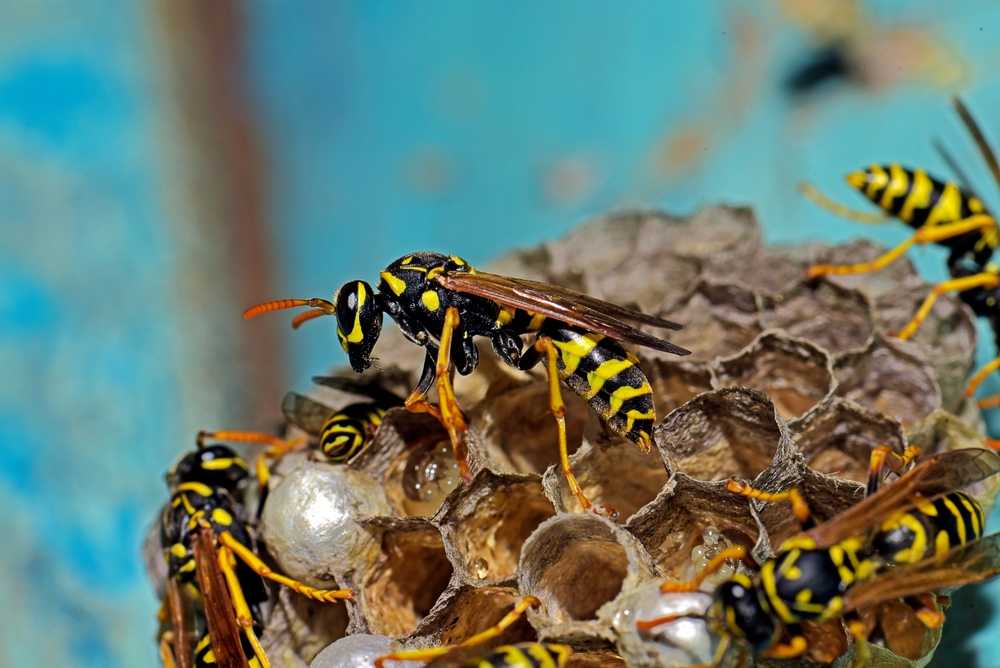
Wasps generally fall into two broad groups: social wasps and solitary wasps. Social wasps live in colonies and are more likely to build nests near homes, patios, sheds, and rooflines. Solitary wasps live and hunt alone, so they are usually less noticeable and less likely to create large nesting problems around the home.
This difference matters because social wasps are usually the ones that create the biggest concerns for homeowners. Knowing whether you are dealing with a colony or a single wasp can help guide the safest and most effective control approach.
Identifying Wasp Nests
Pinpointing a wasp nest is essential for safe removal. Wasps typically build their nests outside in structures like sheds, window frames, and decks.
Types of wasp nests include:
- Hornet nests: larger, enclosed nests with a single small entrance
- Aerial wasp nests: often found in trees, under eaves, or attached to structures
- Ground wasp nests: commonly built in abandoned rodent burrows or other openings in the soil
Confirming the nest type and location helps avoid unnecessary hazards. For instance, hornet nests are more enclosed and may require different handling than the open-comb structure of paper wasp nests. Accurate identification of nests aids in planning the right removal strategy and ensures proper precautions.
Preventing Wasp Infestations
Preventing wasp infestations starts with reducing the food, shelter, and entry points that attract them. Food and drink residue, fallen fruit, open trash, and sugary spills can all draw wasps closer to your home, especially during warm months. Keeping lids on outdoor containers and cleaning up outdoor eating areas can help make the space less attractive.
It also helps to seal gaps around windows, doors, siding, and rooflines where wasps may try to enter or build nearby. Regular inspection and maintenance around patios, sheds, decks, and eaves can go a long way in lowering the risk of nests forming around the home.
Using Wasp Traps
Wasp traps can help reduce wasp activity around the home, especially when placed early in the season and monitored regularly. Sweet baits often work best later in the season, while protein-based baits may be more attractive at other times depending on the species.
Traps should be placed away from doors, patios, and seating areas so they do not pull wasps closer to where people gather. They can help reduce activity, but they usually work best as part of a broader wasp control plan rather than as the sole solution.
Safe Wasp Nest Removal
Safe wasp nest removal requires careful planning and the right protective measures. Key precautions include:
- wearing protective clothing, gloves, and a veil
- removing nests at night when wasps are less active
- avoiding risky methods such as burning an active nest
Following these precautions can make nest removal safer and reduce the risk of stings.
Removing Aerial Nests
Aerial nests can be difficult to remove safely, especially when they are attached to rooflines, trees, or elevated structures. One method involves carefully covering the nest with a cloth bag, securing it, and then submerging it in water. This approach helps contain the wasps and reduce the chance of escape during removal.
Because aerial nests may contain a large number of wasps, homeowners should use extreme caution and avoid attempting removal if the nest is large or difficult to access.
Handling Ground Nests
Ground nests require extra caution because they are easy to disturb by accident. One approach is to cover the entrance with a large, clear bowl and press it into the soil to block exit routes. Leaving the bowl in place for an extended period can help prevent the wasps from returning to the same opening.
Because ground nests can be hard to monitor and may contain aggressive wasps, professional help is often the safer option when the nest is in a high-traffic area.
Professional Wasp Extermination
Professional wasp control may be the best option when nests are large, difficult to reach, hidden inside walls or rooflines, or located near entry points and outdoor activity areas. A professional can identify the wasp species, treat the nest more safely, and help reduce the chance of repeated activity around the home.
Professional treatment is especially useful when DIY efforts have failed or when there is concern about allergies, stings, or aggressive wasp behavior.
Treating Wasp Stings
Treating a wasp sting promptly can help reduce pain and swelling. Start by washing the area with warm, soapy water to remove bacteria and any remaining venom. Applying a cold pack wrapped in cloth for 30 to 60 minutes can help reduce swelling, and anti-inflammatory medicine such as ibuprofen may help relieve discomfort. Some people also use simple home remedies like vinegar or a paste made from salt or meat tenderizer to ease irritation.
More serious symptoms should be treated as a medical concern. Warning signs include:
- difficulty breathing
- hives over large areas of the body
- dizziness
- nausea
- feeling faint or unusually weak
Seek medical help right away if a sting affects the mouth or throat or if signs of an allergic reaction appear.
Keeping Wasps Under Control
Understanding how wasps behave, where they nest, and what attracts them can make control efforts much more effective. By combining prevention, careful nest management, and timely action, homeowners can reduce wasp activity and lower the risk of stings.
When nests are large, hidden, or located in high-traffic areas, professional treatment may be the safest and most effective next step.
Frequently Asked Questions
How can I identify a wasp nest around my home?
To identify a wasp nest around your home, examine areas such as sheds, window frames, and decks for nests. Note that hornet nests are typically larger and closed, whereas paper wasp nests feature an open-comb structure.
What can I do to prevent wasps from nesting around my home?
To prevent wasps from nesting around your home, it is essential to remove or cover food, secure container lids, and clean up fallen fruit. Additionally, utilizing aromatic herbs such as spearmint, thyme, and eucalyptus can effectively deter them.
How can I safely remove an aerial wasp nest?
To safely remove an aerial wasp nest, cover it with a cloth bag at night, secure it tightly, and then submerge it in water to eliminate the wasps. This method minimizes the risk of stings during the process.
What should I do if I get stung by a wasp?
If you get stung by a wasp, wash the area with warm soapy water, apply a cold pack, and consider taking anti-inflammatory medication. Seek immediate medical attention if you exhibit signs of a severe allergic reaction.
Why should I consider hiring a professional wasp exterminator?
Hiring a professional wasp exterminator ensures safe and effective elimination of wasps using advanced techniques, significantly reducing the risk of stings and potential allergic reactions. It is a prudent choice for your safety and peace of mind.