Pet-Safe Ant Control: Best Options for Your Home
Need to get rid of ants without putting your pets at risk? This guide explains which ant control methods are safer for homes with pets, how to use them correctly, and what prevention steps can help keep ants from coming back.
What to Know
- Pet-safe ant control usually works best with secure baits, targeted placement, and prevention steps that reduce food and moisture.
- Natural repellents and low-toxicity products may help in lighter infestations, but they are not always enough on their own.
- The safest results come from combining effective ant control with careful product placement that keeps pets away from treatment areas.
Choosing Pet Safe Ant Control
Choosing ant control for a home with pets means balancing effectiveness with safety. Some traditional sprays and pesticides may create risks if pets lick treated surfaces, step through wet products, or access bait directly. That is why pet-safe ant control usually depends on lower-toxicity options, secure placement, and methods that limit exposure.
The best option often depends on the size of the infestation, where ants are active, and whether the problem is indoors, outdoors, or both.
Safe Ant Control Options
Several ant control methods can work well in homes with pets when used properly. The best choice depends on the type of ant problem, where the ants are gathering, and how much access pets have to treatment areas.
Liquid and Gel Baits
Liquid and gel baits are often among the most effective pet-conscious ant control options because they target the colony rather than only the ants you can see. Worker ants consume the bait and carry it back to the nest, which helps eliminate the colony over time.
These baits are usually safer than broad sprays when they are placed in cracks, crevices, behind appliances, or inside secure bait stations where pets cannot reach them. Proper placement matters just as much as the product itself.
Natural Repellents
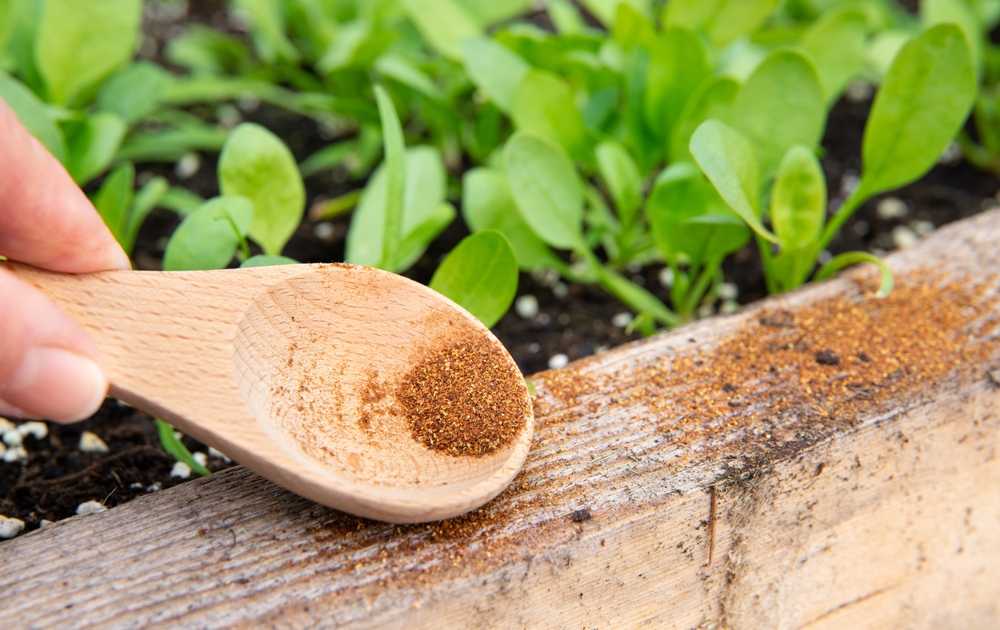
Natural repellents may help reduce ant activity in lighter infestations. Some homeowners use peppermint oil, lemon oil, tea tree oil, or vinegar to disrupt scent trails and discourage ants from returning to the same areas.
These methods can be useful around entry points or as part of a broader prevention plan, but they are usually less effective against larger or established infestations.
Borax and Other Low-Toxicity Options
Borax is a commonly used ingredient in homemade ant bait because ants carry it back to the colony. It can be effective in some situations, but it still needs to be placed carefully in areas pets cannot reach, such as behind appliances or deep in cracks and crevices.
Even lower-toxicity products should be treated with caution around pets. If a pet may have ingested any ant bait or product, contacting a veterinarian is the safest next step.
How to Use Ant Products Safely Around Pets
Safe use matters just as much as the product you choose. Even pet-safer products can become a problem if they are overapplied, left exposed, or placed in the wrong area.
To reduce risk:
- place baits in areas pets cannot access
- avoid applying products on open floors or pet traffic paths
- follow label directions carefully
- allow treated areas to dry fully when required
- monitor pets after treatment if there is any concern about exposure
The goal is to control the ants without creating a second problem for the animals in the home.
Why Ant Identification Still Matters
Different ant species respond better to different treatment methods. Some ants are more attracted to sweets, while others prefer proteins or fats. Carpenter ants, fire ants, odorous house ants, and pharaoh ants may all require slightly different control strategies depending on where they nest and what they are attracted to. That means identifying the species can help make pet-safe treatment more effective and reduce the need for repeated product use. It can also help homeowners avoid wasting time on products that are less effective for the specific ants they are dealing with.
Preventing Future Ant Infestations
Preventing ants from returning is one of the safest and most effective ways to reduce the need for stronger treatment. Helpful prevention steps include:
- storing food in sealed containers
- cleaning up crumbs and spills quickly
- keeping pet food and water areas clean
- fixing leaks and reducing moisture
- sealing cracks and entry points
- trimming plants away from the house
- keeping trash containers closed and clean
These steps help remove the food, water, and shelter ants need to survive. When fewer ants come inside in the first place, fewer treatments are usually needed. Regular inspection around kitchens, bathrooms, pet feeding areas, and foundation lines can also help catch small problems before they become larger infestations.
When Professional Help Makes Sense
Professional pest control may be the best option when ant infestations keep returning, when nests are hidden, or when treatment needs to cover larger indoor and outdoor areas. A professional can identify the species, choose safer treatment options, and place products in ways that reduce the risk to pets. This can be especially helpful for households that want stronger control without relying on repeated DIY applications. In more persistent infestations, professional treatment may also help uncover nesting areas in walls, crawl spaces, or yards that are difficult to address with basic home methods alone.
Keeping Ants Out While Protecting Pets
Pet-safe ant control works best when treatment and prevention go hand in hand. Choosing lower-risk products, placing them carefully, and reducing the food and moisture that attract ants can make a big difference.
When infestations are harder to control or keep returning, professional help may be the safest way to protect both your home and your pets.
Frequently Asked Questions
What services does Gopher Patrol provide?
Gopher Patrol offers comprehensive gopher, rodent, and pest control services primarily serving Southern California. Their expertise ensures effective management of these common pest issues.
How do customers describe the pricing of Gopher Patrol?
Customers consistently find Gopher Patrol’s pricing to be honest and reasonably priced, appreciating the great value it provides.
What should I do if my pet eats ant bait?
If your pet eats ant bait, consult your veterinarian immediately, especially if they exhibit symptoms like vomiting or diarrhea. Seeking professional advice is crucial for your pet’s safety.
Are natural repellents effective for ant control?
Natural repellents such as essential oils, vinegar, and diatomaceous earth can be effective in controlling ant populations while being safe for pets. Utilizing these options provides an eco-friendly approach to pest management.
What are some common ant species found in homes?
Identifying common ant species in homes, such as odorous house ants, carpenter ants, and pavement ants, is crucial for effective pest control. Implementing targeted methods based on the specific species can lead to better management results.