Top Bed Bug Treatments for Quick Relief
Which bed bug elimination methods deliver the fastest results? This article presents effective bed bug treatment solutions that guide users through home preparation, chemical and non-chemical removal methods, and professional extermination choices.
- To effectively remove bed bugs from your home, you need to properly prepare your house through decluttering and extensive cleaning.
- Non-chemical bed bug control methods such as high heat applications, cold treatments, and using a clothes dryer provide efficient bed bug removal without health hazards.
- The combination of Integrated Pest Management techniques with professional extermination services provides an extensive plan for both controlling and preventing bed bug infestations.
Preparing Your Home for Bed Bug Treatments
The process of bed bug elimination requires proper home preparation as its first essential step. This initial step makes the treatment process effective and helps you identify all potential bed bug hiding areas.
First, clear away all unnecessary items. Clutter creates ideal conditions for bed bugs to hide. Consequently, this hinders successful elimination of the infestation. Removing unwanted items creates fewer locations for bed bugs to hide, enabling better detection and elimination.
Next, to prevent bed bugs from crawling back onto the bed, place it at least six inches away from wall surfaces. Then, vacuum the entire house, focusing on furniture and baseboards. Afterward, dispose of the vacuum bag immediately to stop bed bug reinfestation.
Inspect and clean all furniture and baseboards to detect visible bed bugs. Also, evaluate the effectiveness of your bed bug treatments. Moreover, seal cracks and crevices to act as a barrier. This prevents bed bugs from discovering new hiding spots and stops their spread.
In addition, infested items should be disposed of in sealed plastic bags to stop bed bugs from spreading. Focus treatment efforts on specific areas. For heavily infested items that cannot be treated, consider using spray paint or marking them clearly. This prevents accidental reuse or donation.
Moreover, consider using bed bug interceptors or double-sided tape around furniture legs and bed frames. These trap any bed bugs moving in or out of sleeping areas. They also help monitor treatment effectiveness and detect surviving bugs.
Effective Non-Chemical Bed Bug Treatments
Non-chemical bed bug treatment methods are popular because they deliver effective results and minimize risks to human health. These methods are excellent solutions for locations requiring chemical-free treatment approaches.
High Heat Treatments
High heat treatments effectively eliminate bed bugs. When infested areas reach lethal temperatures, bed bugs die. The process requires sustaining temperatures above 120°F for a period long enough to kill every stage of bed bugs.
Bed bug adults and nymphs die at 118°F, while bed bug eggs need consistent exposure to 122°F for successful elimination. Thermal treatment heats infested areas to temperatures over 120°F, ensuring fatal temperatures for all bed bugs.
This method reaches every space where bed bugs hide, including cracks, electrical outlets, and inside picture frames. As a result, this leads to total elimination.
Portable heat chambers are available for treating infested furniture and smaller items. They allow controlled heat application without damaging belongings.
Cold Treatments
Cold treatments provide a chemical-free solution to combat bed bug infestations. Freezing items containing bed bugs kills these pests and their eggs. The treatment involves putting items in sealed plastic bags and freezing them for at least four days to achieve maximum results.
All bed bugs die when items are held at -18°C (0°F) for the entire treatment duration. This method is safe and effective, making it an excellent choice for home bed bug control.
Using a Clothes Dryer
A standard clothes dryer is a powerful tool for fighting bed bugs. Running infested items through a dryer at its highest heat setting for thirty minutes kills bed bugs and their eggs. This approach delivers fast and efficient results.
The highest heat dryer setting enables complete fabric penetration, which kills bed bugs and their eggs. This works best for fabrics like clothing, bed sheets, and curtains when fighting bed bug infestations.
Steam Treatments
The steam application is another effective non-chemical method. The high temperature and moisture penetrate cracks and crevices where bed bugs hide, killing them on contact. Steam treatments are ideal for mattresses, furniture, and baseboards, but require careful handling to avoid moisture damage.
Vacuuming
Regular vacuuming of infested areas physically removes bed bugs, eggs, and shed skins. Use a vacuum with a HEPA filter and focus on mattress seams, bed frames, carpet edges, and furniture. Dispose of vacuum bags immediately in sealed plastic bags to prevent reinfestation.
Chemical Treatments for Bed Bugs
Chemical treatments are a popular solution for handling bed bug infestations. Various bed bug elimination products, such as sprays and powders, make up these treatments.
Insecticide Sprays
Insecticide sprays are the most common chemical solution used to fight bed bug infestations. The main chemicals in sprays are pyrethrins and pyrethroids. They successfully force bed bugs to exit hiding places before killing them. Some sprays disrupt bed bug nervous systems, causing quick death after exposure.
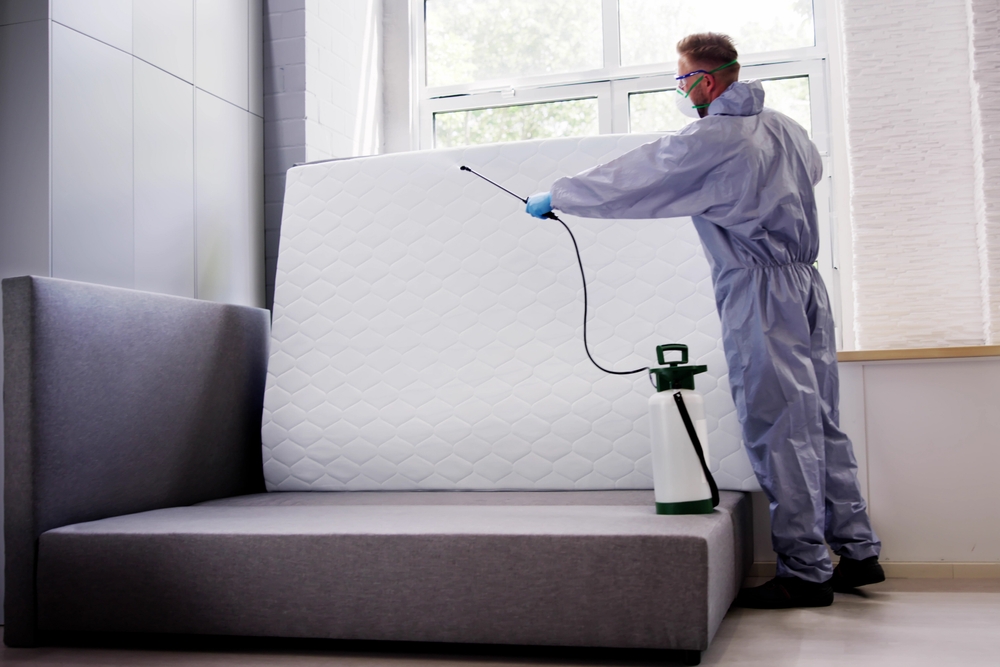
Use insecticide sprays to treat locations where bed bugs hide, including mattress seams, box springs, and furniture joints. Various sprays exist that have no odor and can be applied in homes and hotels for killing bed bugs and other bugs.
Direct contact with bed bugs leads to their instant death through insecticide spray treatments.
Bug Bombs and Fumigants
Bug bombs (total release foggers) are sometimes used but generally are not recommended as a sole treatment. They may not penetrate deep hiding places and can disperse bed bugs to other areas. Therefore, use them cautiously and as part of a comprehensive treatment plan.
Diatomaceous Earth
Diatomaceous earth is a natural and efficient solution for bed bug elimination. This substance is safe for consumption and dehydrates bed bugs to death through its desiccant properties. Applying diatomaceous earth to bed bug movement zones damages their protective coating until dehydration leads to death.
Food-grade diatomaceous earth functions as a safe home treatment that provides long-term control of bed bug populations. This prevents bed bugs from building resistance and serves as a dependable solution for continuous pest management.
Integrated Pest Management (IPM) Techniques
Integrated Pest Management (IPM) uses multiple treatment approaches to manage bed bug infestations successfully. This method combines non-chemical solutions with continuous monitoring for long-term control.
Environmental Modification
Modifying the environment is vital in IPM. Clearing spaces creates fewer areas for bed bugs to hide, improving treatment success rates. A bed bug’s ability to hide decreases when beds stand apart from walls and bedding remains above floor level.
Removing bed bugs requires vacuuming their typical habitats followed by immediate disposal of vacuum bag contents.
Diatomaceous earth treatment of cracks and crevices where bed bugs hide offers extended protection. Encasing mattresses and furnishings with protective covers traps bed bugs, making their elimination simpler and preventing escape.
Monitoring and Follow-Up
Preventing bed bug re-infestation depends on ongoing monitoring and follow-up after treatment. Bed bug interceptors monitor the complete elimination of bed bugs. Regular inspections determine if additional treatments are needed.
Check interceptors placed under furniture legs every 1-2 weeks for bed bug presence. Moreover, monitor at least weekly for one month after initial treatment to detect surviving bed bugs or eggs.
Professional Bed Bug Exterminators
Severe infestations usually require professional exterminators for the most effective treatment. These specialists know how to eliminate infestation residues completely so homeowners can find relief. Their equipment offers superior bed bug elimination capabilities compared to consumer products. The expertise of a bed bug exterminator ensures complete removal of the infestation.
Professional services help reduce expenses by removing infestations properly, stopping future problems. Professional exterminators and pest control companies help people regain comfort and sleep quality by eliminating bed bug bites.
Preventing Future Infestations
Maintaining a bedbug-free home requires prevention efforts to stop future infestations. Bed-bug-proof encasements on mattresses and box springs trap bed bugs inside. The encasements need to stay on for twelve months to be effective. Use silicone caulk to seal cracks and crevices, eliminating potential hiding areas. Wash bed sheets weekly starting immediately after treatment and continue until all signs of bed bugs disappear for six weeks.
Regular vacuuming and immediate disposal of vacuum bags reduce the chance of reinfestation.
The Science Behind Bed Bug Behavior
Understanding bed bugs helps improve treatment success. These nocturnal parasites feed exclusively on human blood at night and are attracted by body heat and carbon dioxide. They hide in tiny cracks and crevices—including mattress seams, bed frames, electrical outlets, picture frames, and loose wallpaper—making them hard to find and treat.
Surviving for months without feeding, bed bugs reproduce rapidly—laying hundreds of eggs that hatch into young bedbugs—making infestations tough to eliminate. Because they cluster in hidden spots, early detection with monitoring tools like bed bug interceptors or double-sided tape is crucial to catch infestations when small.
Resistance to some insecticides can develop in bed bug populations, so combining heat treatments, environmental modification, and chemical applications is often necessary. Learning about their habits and hiding places helps homeowners target treatments and prevent spread.
Tips and Insights
- Bed bugs are drawn to carbon dioxide and body warmth, so focus treatment and prevention in sleeping areas.
- Hidden bugs are elusive, so use bed bug interceptors under furniture legs or double-sided tape around bed frames to trap and find them early.
- Normal indoor temperatures won’t kill bed bugs, but freezing infested items at 0°F or below for several days is effective.
- Inspect secondhand furniture and clothing before bringing them home to avoid infestations.
- Reddish stains on bedding or crushed bugs resembling apple seeds are signs of bed bug infestation and require immediate action.
Managing Indoor Temperature
Normal indoor temperature changes won’t kill bed bugs. Specialized heat treatments are necessary for effective elimination.
Additional Ideas for Bed Bug Treatment and Control
Additional ideas for bed bug treatment and control include using mattress and box spring encasements that are certified bed bug-proof to trap existing bugs and prevent new infestations. Conduct routine inspections, especially after travel or hosting guests, to catch any issues early. Consider using portable bed bug heaters or heat chambers to treat infested personal items such as sleeping bags, backpacks, and shoes. Avoid relying solely on bug bombs; they should be used only as part of an integrated control strategy. Finally, educate everyone in the household on how to identify and prevent bed bugs to ensure early detection and prompt treatment.
With the right prevention habits and professional support when needed, you can stop bed bugs from spreading and keep your home comfortable, safe, and pest-free.
Frequently Asked Questions
How to get rid of bed bugs?
To get rid of bed bugs, wash all linens in hot water for 20 minutes and dry them on high heat. Use certified bed bug covers to encase your mattress and pillows. Minimize hiding spots by decluttering your space and sealing any gaps.
What is the best relief for bed bugs?
The best method to get rid of bed bugs is heating items through hot water washing or high heat dryer use for twenty minutes. Complete elimination requires professional steam cleaning and heat treatments to treat all areas including cracks and fabrics.
What is the fastest way to get rid of bed bugs?
The quickest method is washing bed sheets and clothes in hot water followed by drying them on the highest heat setting for 30 minutes. Complete elimination can be achieved through vacuuming and heat steamer use.
How do I prepare my home for bed bug treatments?
Preparation requires clearing your space of clutter, moving your bed away from walls, vacuuming thoroughly, inspecting and cleaning furniture, sealing cracks, and removing infested items. These steps ensure a successful treatment.
What are some effective non-chemical methods for eliminating bed bugs?
Heat treatments, cold treatments, and using a dryer on the highest heat setting are effective non-chemical methods. They provide safe and effective results without chemicals.