Effective Cockroach Control Methods for a Pest-Free Home
Need to manage a cockroach infestation now? This article offers practical cockroach control strategies to identify, eliminate, and prevent these pests.
- Identifying the specific cockroach species is essential for implementing targeted control methods tailored to their behaviors and preferences.
- Eliminating food and water sources, along with locating and treating harborage areas, is crucial in reducing cockroach populations effectively.
Identify Cockroach Species
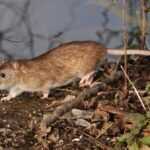
Begin by identifying the cockroach species in your home. Each type has unique behaviors and preferences that influence control methods, making this understanding vital for effective pest control. Similarly, consider preventing rodents in your garden to avoid property damage and health risks. Preventing rodents from invading your home or garden also relies on understanding their habits and sealing entry points.
The German cockroach is the most common species found in homes and is notorious for its rapid reproduction, with a single female cockroach capable of producing over 30,000 offspring in a year. German cockroaches tend to be light brown and are often found in kitchens and bathrooms.
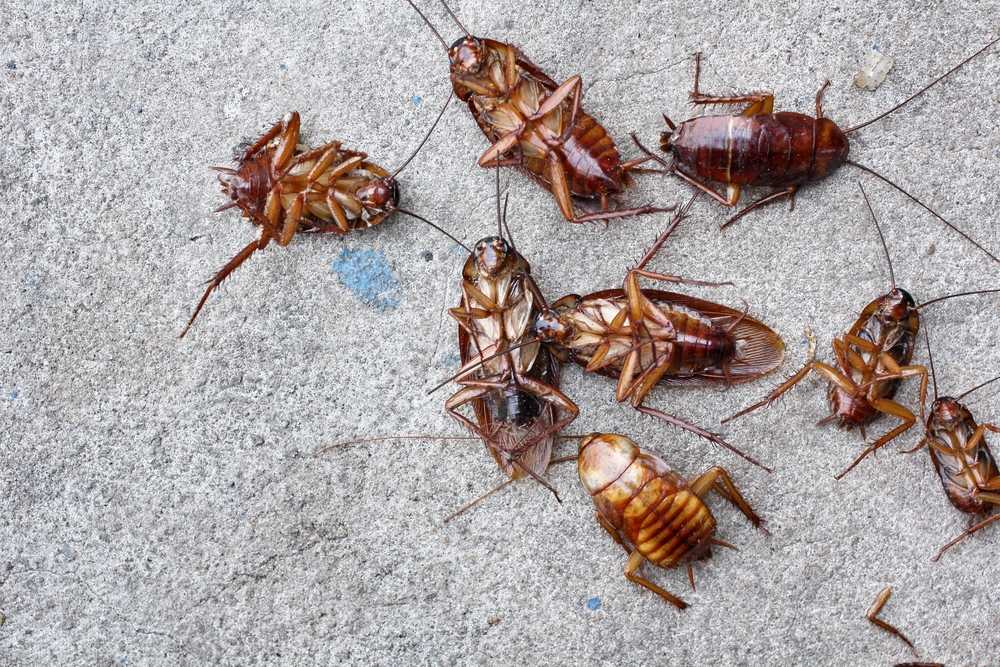
American cockroaches, on the other hand, are much larger, growing up to 3 inches long. They are typically reddish-brown and are often found in sewers, but they can enter homes through drains.
Oriental cockroaches are associated with moist environments and are commonly found in bathrooms and around drains. They are dark brown to black and prefer cooler temperatures.
Brown banded cockroaches, characterized by their light brown bands, are usually found in elevated areas within homes and can adapt to various indoor environments. Knowing these differences can help you target your efforts more effectively. The brownbanded cockroach is one such species that exemplifies these traits.
Identifying the specific cockroach species allows for tailored control methods.
Locate Key Harborage Areas
Cockroaches are adept at finding hiding places that provide the darkness and moisture they need to thrive. During the day, they seek refuge in areas like crawl spaces, which are both dark and damp. These key harborage areas are critical to identify, as targeting them can significantly reduce the population of these pests.
Common hiding spots include beneath sinks, inside cabinets, and around water sources. Cockroaches tend to favor narrow spaces, often congregating in cracks that are just 1/16 inch wide. This means that even the smallest gaps in your home can serve as entry points and hiding places for these pests.
Another common harborage area is wood piles, especially if they are kept close to the house. These provide a perfect environment for cockroaches as they are both dark and moist. Keeping wood piles away from your home can help reduce the risk of a roach infestation.
Targeting these key harborage areas greatly aids in effective cockroach control. Once identified, the next step is to eliminate their food and water sources, which are also crucial for managing these pests to kill roaches.
Eliminate Food and Water Sources
Cockroaches are drawn to food and water sources; even small crumbs or leaks can sustain them. Address water leaks and condensation first, as cockroaches can survive weeks without food but need water to live. Fixing leaks and keeping your home dry can make it less inviting for these pests and ultimately reduce what attracts roaches.
Consistently cleaning kitchen surfaces reduces food particles that attract cockroaches. Even minimal sources like pet food and crumbs can sustain them. Thorough cleaning and regular maintenance are key to minimizing these attractants.
Sealing food in airtight containers prevents access for cockroaches and minimizes their attraction to your kitchen. Additionally, ensuring that garbage cans are tightly sealed and emptied regularly can help prevent roaches from finding a food source.
Eliminating food and water sources makes your home less appealing to cockroaches. To control cockroaches effectively, consider using cockroach baits.
Use Effective Cockroach Baits
Cockroach baits are a popular, effective method for controlling cockroach infestations. These baits mix food with a slow-acting poison, shared among roaches, helping to eliminate the infestation over time. Strategically placed bait stations near roach habitats enhance their effectiveness.
One of the most user-friendly options is the Terro T502 Roach Bait Gel, which is easy to apply due to its unique dispensing design. Another reliable alternative is the Combat Max Roach Killing Gel, although it may be slightly less user-friendly. The Advion 68663 Cockroach Bait Arena is also a good option, although it may be less accessible in stores.
Apply baits around the house and in hidden places where cockroaches thrive, such as behind appliances, under sinks, and in cabinets. Placing baits in these strategic locations effectively targets the roach population, reducing their numbers.
While baits are excellent for controlling existing infestations, a more comprehensive approach involves using boric acid and diatomaceous earth for additional control.
Apply Boric Acid and Diatomaceous Earth
Boric acid and diatomaceous earth are highly effective for cockroach control. Boric acid disrupts cockroach metabolism, leading to their demise when ingested. Ensure it’s applied dry and placed where roaches frequent for maximum effect.
Diatomaceous earth causes dehydration in roaches by damaging their exoskeletons, making it an excellent non-toxic control option. Regularly check and replenish boric acid and diatomaceous earth to maintain their effectiveness.
Apply these substances behind appliances, under sinks, and in cracks and crevices where cockroaches travel. Combining these methods with cockroach baits creates a multi-faceted approach to controlling infestations.
These methods are effective, but implementing preventive measures is crucial for long-term control and preventing future infestations.
Implement Preventive Measures
Preventing cockroaches from entering your home is as important as eliminating existing ones. Seal cracks and gaps of 1/8 inch or more in foundations and exterior walls to significantly reduce entry. Even tiny cracks in windows, doors, and other areas can serve as entry points.
Maintaining cleanliness is vital; it involves regularly cleaning food residues and spills to deter cockroaches. Store outdoor garbage in sealed containers and clean them regularly to prevent attracting cockroaches.
Insect Sticky Traps (ISTs) track the population size and activity of cockroaches. Regular inspections help identify conditions that could lead to infestations, allowing prompt action.
Implementing these preventive measures significantly reduces the risk of a cockroach infestation. Continuous monitoring and follow-up are necessary to ensure success.
Monitor and Follow Up
Continue monitoring until all signs of cockroach activity are eliminated. Use cockroach monitors to gauge activity during treatment. Routinely inspect key areas and use sticky traps to track cockroach activity.
After the initial treatment, check monitors and deploy additional treatments as needed. If roach activity doesn’t decrease, consider contacting a professional pest management company.
The follow-up visit aims to end your infestation quickly. Continuous monitoring and follow-up are essential for long-term control.
Professional Pest Control Services
For severe infestations, consider hiring pest control professionals.
Controlling a cockroach infestation requires a multi-faceted approach. Identifying the species, locating their hiding places, eliminating food and water sources, using effective baits, and applying boric acid and diatomaceous earth are all crucial steps. Implementing preventive measures and continuous monitoring are essential for long-term control.
Maintaining a pest-free home is a continuous effort, but with the right knowledge and tools, it is achievable. By following these steps, you can ensure a clean and healthy living environment for you and your family.
Frequently Asked Questions
What is the most common species of cockroach found in homes?
The German cockroach is the most prevalent species found in homes, recognized for its rapid reproduction capabilities.
Where are cockroaches most likely to hide during the day?
Cockroaches are most likely to hide during the day in moist, dark areas such as under sinks, inside cabinets, and near water sources. It’s crucial to maintain cleanliness and address moisture to deter their presence.
How can I eliminate cockroaches’ food and water sources?
Eliminating cockroaches’ food and water sources is essential for effective pest control. To achieve this, fix any leaks, clean up food crumbs, store food in airtight containers, and ensure that garbage cans are sealed and emptied regularly.
What are some effective cockroach baits I can use?
Terro T502 Roach Bait Gel, Combat Max Roach Killing Gel, and Advion 68663 Cockroach Bait Arena are highly effective cockroach baits to consider. Using these products can help you manage and eliminate cockroach infestations efficiently.
When should I consider hiring professional pest control services?
You should consider hiring professional pest control services when facing severe infestations or when your DIY efforts prove ineffective. Engaging experts will ensure a thorough and effective resolution to your pest issues.