How to Identify and Prevent Silverfish Insect Infestations
A silverfish insect is a small, wingless creature known for its silvery scales and fish-like movements. This article will help you identify, prevent, and control silverfish infestations in your home.
- Silverfish are identifiable by their silvery-gray, elongated bodies, and are primarily found in humid environments such as basements and bathrooms.
- Understanding silverfish behavior, including their nocturnal nature and feeding habits on carbohydrates and proteins, is crucial for controlling infestations.
- Effective prevention methods include lowering humidity, sealing entry points, and utilizing traps, while persistent infestations may require professional pest control services.
Recognizing Silverfish
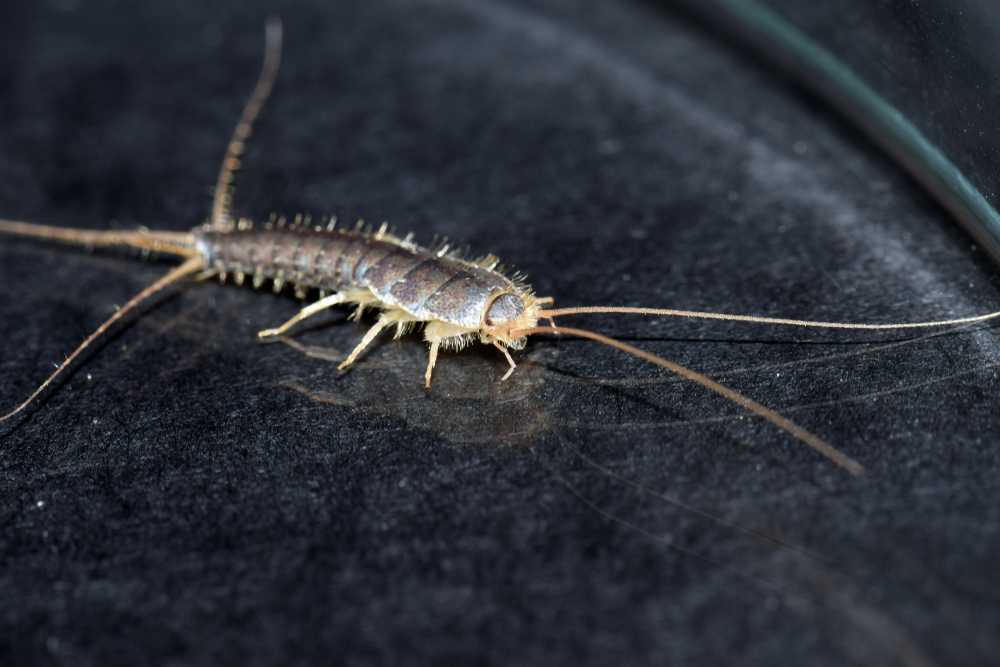
Early detection of a silverfish infestation can save you significant trouble. Silverfish are wingless insects identified by their elongated, teardrop-shaped bodies covered in silvery-gray scales. They are typically about 0.85 cm (0.33 inches) long and have two long antennae and three long appendages at the end of their bodies.
Their tiny, shiny scales can look pearl-gray or almost metallic under the right light. Silverfish also move with a quick, fish-like motion, which is where they get their common name. Recognizing their appearance and movement early helps you take action before a small issue becomes a larger infestation.
Silverfish Habitat and Behavior
Understanding silverfish habitat and behavior is key to effective control. They thrive in humid environments and prefer warm indoor temperatures, typically between 70 and 85 degrees Fahrenheit. Silverfish are nocturnal and usually hide during the day unless disturbed.
Common hiding spots include wall voids, crawl spaces beneath subflooring, and other dark, damp areas. Attics and roof voids can also provide ideal conditions when moisture and organic material are present. Identifying these hiding areas makes prevention and targeted control much more effective.
Silverfish’s Diet and Feeding Habits
Silverfish primarily feed on carbohydrates, proteins, paper products, and cast skins. Silverfish’s diet consists of a variety of starchy materials such as flour, cereal, and dried meat when they invade homes. Silverfish can also feed on paper, fabrics, and other starchy materials, leading to significant damage to household items.
Their feeding habits can result in contamination of food items like cereals, flour, pasta, and even pet food. Silverfish can damage fabric and paper products by scraping with their weak jaws, making them a nuisance in homes with valuable books, documents, or clothing.
Knowledge of silverfish’s diet is vital for preventing infestations. Eliminating potential food sources and sealing food items can make your home less appealing to these pests.
Life Cycle of Silverfish
Silverfish develop through three stages: egg, nymph, and adult. Nymphs resemble smaller versions of adults and gradually develop the silvery appearance as they grow. Silverfish continue to molt throughout their lives and can live for two to three years under favorable conditions.
Understanding their long lifespan and ongoing molting helps explain why infestations can persist. Consistent prevention and follow-up control measures are often necessary to fully resolve the problem.
Common Locations
Silverfish are typically found in damp areas within a home, reflecting their preference for high humidity. Common areas where silverfish can be found include basements, bathrooms, and attics. These areas provide the moisture and darkness that silverfish need to thrive.
During the day, silverfish prefer hiding in high moisture humid areas like laundry rooms and under sinks. These spots are not only humid but also provide ample hiding places, making them ideal for silverfish to live undisturbed.
Regular inspections of these common locations can lead to early detection of a silverfish infestation. Signs like dead insects, shed skins, or damage to paper products and fabrics can indicate their presence.
Are Silverfish Harmful?
Silverfish are non-threatening to humans, as they do not bite or sting. These insects do not transmit diseases and therefore pose no health risks to humans or pets. However, it is advisable to prevent pets from eating silverfish, even though they are not poisonous.
While silverfish can damage items like books and food, they are more of a nuisance than a danger. Silverfish can consume protein-rich materials, leading to potential food contamination. Prompt action is necessary if silverfish are found infesting stored items, as they can spread quickly.
Silverfish pose minimal danger to humans and pets but can damage personal belongings if uncontrolled. Promptly managing an infestation can prevent extensive damage to household items.
Preventing Silverfish Infestations
Reducing indoor humidity is one of the most effective ways to prevent silverfish, since they thrive in moist environments. Use ventilation or a dehumidifier in damp areas, and fix leaks promptly. Sealing gaps and cracks in your home’s structure can also help block entry.
Regular vacuuming and airtight storage for food and paper products reduce both shelter and food sources. Cedar chips or bay leaves in storage areas may help deter activity, and diatomaceous earth or borax can create a barrier in dry, low-traffic spaces when used as directed. Addressing the first signs quickly can prevent a small issue from spreading.
Effective Silverfish Control Methods
Homemade traps using starchy bait in a glass container can capture silverfish, but they usually reduce only small populations. For larger or persistent problems, more comprehensive control is needed, including moisture reduction, targeted treatment, and follow-up monitoring.
When to Contact A Professional
If silverfish activity continues despite consistent cleaning, humidity control, and trapping, professional pest control may be the best option. A technician can identify hidden harborage areas, address moisture issues, and apply targeted treatments that provide more reliable, long-term results.
Frequently Asked Questions
How can I identify a silverfish infestation in my home?
To identify a silverfish infestation in your home, look for small, wingless insects with silvery-gray scales, and monitor damp areas such as basements and bathrooms for their presence.
What do silverfish feed on?
Silverfish primarily feed on carbohydrates, proteins, and paper products, which means they can contaminate food and damage fabrics. It’s essential to protect your home from these pests to prevent such issues.
Are silverfish harmful to humans or pets?
Silverfish are not harmful to humans or pets as they do not bite or transmit diseases; however, they can cause damage to household items.
How can I prevent silverfish infestations?
To effectively prevent silverfish infestations, reduce humidity, seal cracks, maintain cleanliness, and utilize natural repellents such as cedar chips. Regular inspections are also advisable to catch potential problems early.
When should I contact Gopher Patrol for silverfish control?
You should contact Gopher Patrol for silverfish control if your self-control methods have failed and you are experiencing persistent infestations. Professional assistance can effectively address the issue.