Where Do Brown Recluse Spiders Live: Habitats & Regions Explained
Searching for where brown recluse spiders live? Primarily found in the central United States, these spiders inhabit areas from Nebraska to Texas. This article explores their specific indoor and outdoor habitats and shows you how to prevent them from becoming unwanted house guests.
Geographic Range of Brown Recluse Spiders
The brown recluse spider, scientifically known as Loxosceles reclusa, commonly inhabits the central United States, primarily between southeastern Nebraska and southwestern Ohio, extending southward to northwestern Georgia and into Texas. While brown recluse spiders occur mostly in the central U.S., related species of recluse spiders live in the southwestern United States, expanding the family’s distribution. These regions offer ideal conditions where the brown recluse can thrive in enclosed spaces such as barns, sheds, and homes.
Although some states report brown recluse bites outside this typical range, most cases involve misidentifications or other medical issues. Many skin lesions that resemble brown recluse bites actually result from other medical conditions, emphasizing the importance of accurate diagnosis. Only about a dozen spider species in the U.S. pose medical significance, which highlights the rarity of dangerous spiders. People rarely encounter true brown recluse sightings or confirmed brown recluse spider bites outside their established range, underscoring the need for careful identification.
The Recluse’s Reputation and Bite Severity
The recluse’s reputation for causing widespread or severe bites remains largely undeserved and unsupported by most actual cases. Most brown recluse bites cause mild symptoms, and severe symptoms occur infrequently. This spider’s venom can cause necrotic wounds in some individuals, but such cases represent exceptions rather than the rule.
In addition to their primary habitat, related species inhabit the southwestern regions of the United States, indicating a broader family distribution. This broader distribution suggests that while the brown recluse prefers certain areas, its relatives adapt to different environments across the country.
With a firm understanding of where these spiders commonly live, let’s explore the specific indoor environments they favor and how you might unknowingly create a perfect home for them.
Preferred Indoor Habitats
Brown recluse spiders thrive in common indoor environments such as basements, attics, storage sheds, and closets. These locations, often dry, dark, and undisturbed, provide perfect shelter for these elusive creatures. We once found a brown recluse nestled in an old, forgotten box in our basement, a stark reminder of their preference for secluded spots. Most spiders found indoors are harmless, and only a few, like the brown recluse, pose health risks.
People often mistake other brown colored spiders for brown recluse spiders in these environments. Decluttering areas like closets and storage rooms removes potential spider harborage indoors. Reducing clutter minimizes the number of hiding spots available for these spiders. Regular cleaning and organization make a significant difference in preventing an infestation.
Brown recluse spiders also favor crawlspaces and garages. These areas, typically dry and full of crevices, offer ideal habitats for the spiders to hide during the day and hunt at night. Their nocturnal habits make them less visible to us, but more active when we’re not watching.
Brown recluse spiders build irregular, flat webs known as retreats, which they use for shelter rather than prey capture. You can often find these retreats in hidden corners of storage areas, behind furniture, or inside cardboard boxes, resembling their natural habitat of decaying tree bark.
Knowing where these spiders prefer to hide indoors only partially explains their presence. Next, we’ll examine the outdoor environments where brown recluse spiders live and how they might enter your home.
Outdoor Environments for Brown Recluse Spiders
Brown recluse spiders commonly reside under structures like woodpiles and sheds, as well as in leaf litter and brush. These outdoor habitats provide the dry, dark, and undisturbed conditions they prefer, similar to their indoor preferences. Brown spiders, including the brown recluse, often inhabit these environments.
In residential areas, brown recluse spiders seek shelter in dark, undisturbed places. They use the cover of overhangs and tree bark, making them difficult to spot. Their presence in these areas highlights the importance of regular yard maintenance to prevent infestations.
These spiders prefer locations that provide both shelter and potential prey, particularly in undisturbed areas. Whether it’s a rock pile or a cave, brown recluse spiders favor dry habitats that offer protection and food. The brown recluse hunts actively rather than relying on webs. This preference makes them hard to spot in their natural settings, requiring vigilance and proactive measures to keep them away.
Managing Outdoor Risks
To prevent brown recluse spiders from taking up residence in your yard, eliminate outdoor areas such as woodpiles, leaf litter, and rocks. Inspect outdoor areas for egg sacs regularly, as these sacs contain spider eggs that will hatch and increase the population. Eggs hatch after about a month, so removing egg sacs helps control spider numbers.
How Brown Recluse Spiders Enter Homes
Brown recluse spiders often enter homes through cracks and crevices in windowsills, door thresholds, pipes, and vents. These small entry points provide ample space for these spiders to squeeze through and establish residence inside your home.
Brown recluse spiders typically enter homes through crevices or cracks in foundations, doors, vents, or eaves. One evening, we discovered a brown recluse spider had entered our home through a small gap around the window frame, a stark reminder of their ability to exploit even the tiniest openings.
In addition to these structural entry points, people unknowingly transport brown recluse spiders inside boxes or furniture. These spiders often hitch a ride on moving boxes or old furniture, finding new hiding spots once inside. Brown recluse traveling usually occurs when a single female hitchhiking on furniture or boxes establishes a new infestation, making it important to inspect belongings before bringing them indoors.
Preventing these entry points plays a crucial role in successful brown recluse control and brown recluse management. Sealing gaps and cracks around doors and windows, as well as inspecting and maintaining these areas regularly, helps keep these spiders out of your home. Sealing these entry points denies spiders access to your home and serves as a key exclusion strategy. Thorough exclusion methods permanently prevent brown recluse infestations.
Seasonal Activity
Brown recluse spiders remain primarily active from April to October, with the majority of reported bites occurring during these warmer months. Brown recluse activity peaks during this period, as the spiders hunt, move, and appear in typical indoor locations more frequently. This period of increased activity coincides with their breeding season, making it critical for homeowners to stay vigilant.
Little to no activity occurs from November through March. During these colder months, the spiders become less active, seeking shelter in warm, undisturbed places. This seasonal pattern offers a window of opportunity for homeowners to implement preventative measures.
Brown recluse spider activity peaks in spring and late summer, with a decline in early summer. Understanding these activity patterns helps homeowners anticipate and manage potential infestations more effectively. Mature spiders display more pronounced, darker violin-shaped markings, making them easier to identify during peak activity.
Brown recluse spiders showcase adaptability by thriving in unheated basements during winter and hot attics in summer. Their ability to survive in varying conditions makes it essential to maintain consistent preventative measures throughout the year. Young brown recluses prove harder to identify due to less distinct markings compared to mature spiders. The brown recluse spider true nature of these creatures highlights the importance of awareness.
Identifying Brown Recluse Spider Infestations
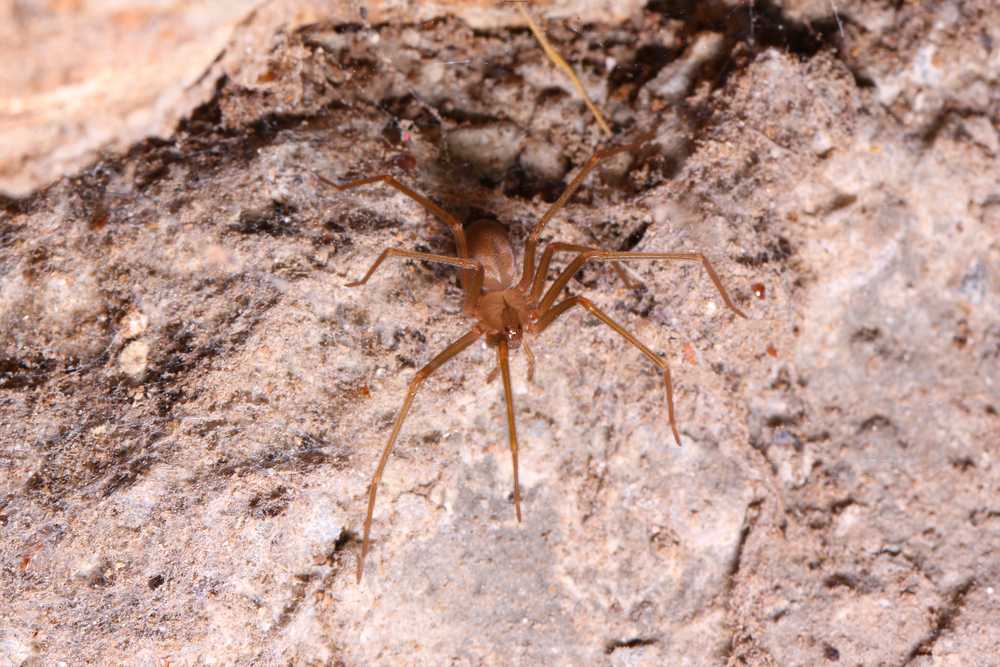
Brown recluse spiders often go unnoticed until they’re disturbed, which can increase the risk of a bite. Also called the violin spider, they’re best identified by the violin-shaped marking on the back and by having six eyes arranged in three pairs (a key difference from most spiders).
Infestation signs include flat, irregular webs (not the neat, structured webs many other spiders make). In heavier infestations, multiple recluses may share the same space and hide in undisturbed areas.
Brown recluses commonly shelter in cardboard, as well as clothing, shoes, tires, bedding, and storage areas. Colors range from light to dark brown, with adults showing a more defined, darker violin marking. Females may stay near egg sacs, while males may wander during mating season. Because many brown spiders get mistaken for brown recluses, confirm identification by checking both the marking and the eye pattern.
Monitoring and Trapping Techniques
You can use traps and monitoring techniques, such as sticky spider traps and flat glue boards, to effectively track and reduce spider numbers. Position traps in corners of closets, baseboards, behind furniture, and under sinks to gain valuable insights into spider activity. The brown recluse’s bite can cause nasty-looking skin lesions, and brown recluse spider bites may result in serious medical issues. Brown recluse bites, causing necrosis, occur rarely but remain possible. Brown recluse bite symptoms vary, and spider bites diagnosed as brown recluse bites often represent misidentifications. Brown recluse bites result in a range of effects, so proper identification and monitoring remain important.
Preventing Brown Recluse Spiders Indoors
Regular cleaning and decluttering significantly reduce the likelihood of brown recluse spider activity in homes. Maintaining a clean and organized living space eliminates potential hiding spots for these spiders. Vacuuming hidden areas removes spiders, eggs, egg sacs, and webs from the home. Removing egg sacs prevents the emergence of baby spiders, which prove especially vulnerable in early stages. When cleaning, remove retreats built with silk strands, as brown recluse spiders often use these for shelter. This simple yet effective method keeps your home free from these unwanted guests. For instance, vacuuming behind furniture and in corners regularly made a noticeable difference in reducing spider sightings.
Residents should inspect and clean areas where spiders might hide, such as inside closets and behind furniture. Sealing gaps and cracks in the home helps prevent brown recluse spiders from entering. Addressing these entry points creates a barrier that keeps these spiders out.
Sticky traps fold into boxes or triangles to protect the adhesive and effectively monitor spider activity. These traps kill brown recluse spiders by capturing them as they move through the home. Homeowners should also eliminate food sources for spiders by cleaning up dead insects in and around the house. Regularly checking shoes, clothing, and bedding helps prevent accidental encounters with brown recluse spiders. These proactive measures for eliminating brown recluse spiders make a significant difference in keeping your home spider-free.
Professional Pest Control Solutions
For effective and long-lasting results, professional pest control services often prove necessary. Professional pest control services focus on both brown recluse and other dangerous spiders, using targeted application methods and pest management strategies. Their honest, reasonably priced services offer great value, as satisfied customers highlight.
Insecticide dusts apply in hard-to-reach spaces like wall voids and attics, offering prolonged control against brown recluse spiders. Some liquid insecticides provide effective control, especially those with long-lasting residual effects.
Understanding the habitats and behaviors of brown recluse spiders proves crucial for preventing infestations and avoiding their dangerous bites. By maintaining a clean and organized home, sealing entry points, and employing professional pest control services, you can effectively manage and eliminate these spiders. Take action today to ensure your home remains a safe and comfortable place, free from the threat of brown recluse spiders.
Frequently Asked Questions
Where are brown recluse spiders typically found?
Brown recluse spiders typically inhabit the central United States, spanning from southeastern Nebraska to southwestern Ohio, and extending south to northwestern Georgia and Texas.
What indoor environments do brown recluse spiders prefer?
Brown recluse spiders thrive in dry, dark, and undisturbed environments like basements, attics, storage sheds, and closets. Keeping these areas clean and clutter-free minimizes their presence.
How do brown recluse spiders enter homes?
Brown recluse spiders enter homes primarily through cracks and crevices in windowsills, door thresholds, and gaps in foundations. Sealing these entry points helps prevent their access.
When are brown recluse spiders most active?
Brown recluse spiders remain most active from April to October, with heightened activity in spring and late summer. It is advisable to exercise caution during these months.
How can I prevent brown recluse spiders in my home?
To prevent brown recluse spiders effectively, clean and declutter regularly, seal any gaps and cracks, eliminate potential food sources, and consider professional pest control services. These measures significantly reduce the likelihood of infestation.