What Are Silverfish and How Do You Get Rid of Them?
Silverfish are small, silvery insects that often invade homes and thrive in damp, dark areas. These pests can damage household items by feeding on materials like paper and starch. Understanding what silverfish are and their behaviors can help you prevent and manage infestations.
- Silverfish are resilient, wingless insects that thrive in dark, humid environments, causing damage to starchy materials like paper and clothing.
- Preventing silverfish infestations involves controlling moisture levels, reducing clutter, and properly storing food in airtight containers.
- For severe infestations, professional pest control services are recommended, as they provide comprehensive treatment plans that address the root of the problem.
Silverfish Basics
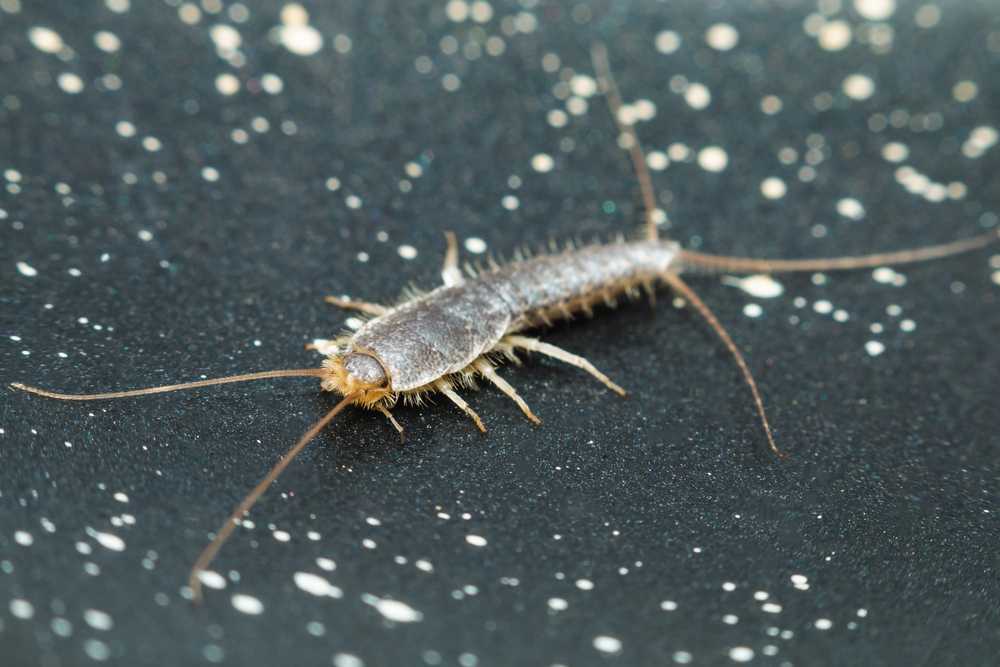
Silverfish, known scientifically as Lepisma saccharina, belong to the order Zygentoma and are among the most primitive insects. These wingless insects typically measure between 13 to 25 mm in length and have a distinctive tapered abdomen that gives them a fish-like appearance, hence the common name adult silverfish. Their silvery scales, which produce a shiny, metallic hue, make them easily recognizable.
One of the remarkable features of silverfish is their resilience. These insects can regrow lost appendages such as antennae and terminal filaments, showcasing their ability to survive and adapt. This adaptability, combined with their elusive nature, makes them a persistent nuisance in many homes.
Knowing their biology and characteristics helps in managing an infestation. Next, we’ll examine their behavior and lifestyle for a better understanding of these pests.
Behavior and Habitat
Silverfish are nocturnal creatures, preferring to come out at night when they can evade light and search for food. Their preference for dark environments means they often silverfish hide in small crevices and cracks, both indoors and outdoors, to stay concealed during the day. This nocturnal behavior makes it challenging to spot them, as they are especially active when we are not looking.
These wingless insects are particularly attracted to dark, moist areas, often finding shelter in cluttered spots like under sinks, within storage boxes, and behind appliances. Keeping your home warm and dry can help discourage their presence, as they prefer cooler and damp conditions.
Typical Living Spaces
Silverfish thrive in areas with high humidity, typically ranging from 70% to 95%. Humidity is a crucial factor influencing their population, as these little guys need moist conditions to survive. They are often found in basements, attics, garages, and other areas with high humidity levels, such as kitchens and bathrooms.
These pests often inhabit spaces near food sources, making kitchens and pantries prime locations. They can also be found in more obscure places like utility rooms, crawl spaces, and behind window and door frames. The presence of old cardboard boxes, cardboard cartons, and clutter provides them with ample hiding spots and food sources.
Keeping your environment dry and reducing clutter can prevent silverfish from invading your home. Regular checks and the use of dehumidifiers in these areas can help keep them away.
Diet and Damage
Silverfish primarily consume carbohydrates, particularly starches and sugars, which can lead to significant damage in homes. They have a particular fondness for starchy materials, such as paper, cardboard, and book bindings. This diet can result in noticeable damage to items like books, clothing, and stored food products, as silverfish feed on these materials.
These insects are known to leave behind small holes and dark stains on household items, indicating their presence. Their feeding habits can cause considerable damage to valuable possessions, including important documents, cherished books, and even fabrics, as well as dead insects.
Knowing their diet is key to managing infestations. Removing or safeguarding these food sources can make your home less appealing to silverfish.
Signs of Infestation
Identifying a silverfish infestation early can save you a lot of trouble down the line. One of the most common signs is finding shed skins, as silverfish molt several times throughout their lives. These skins often have a metallic appearance due to their silvery scales.
Small holes in materials like wallpaper, books, and paper products indicate silverfish activity. Dark stains or yellowish spots on items also signal their presence.
Silverfish infestations are often found in places with abundant food and moisture, such as libraries, offices, and museums. Regularly inspecting these areas and looking for the signs mentioned above can help you catch an infestation early.
Are They Harmful?
While silverfish do not pose a direct threat to human health, they can be quite a nuisance. They do not bite or spread disease, so there’s no need to worry about them causing harm in that regard. However, they can cause significant damage to household items by feeding on materials rich in starch and protein.
In some cases, pets might find silverfish appealing to eat, which is not toxic but certainly not advisable. It’s best to keep your pets away from these pests to avoid any potential issues.
Although silverfish can survive up to 300 days without food, managing them is essential to prevent damage. Promptly addressing an infestation can save you from headaches and expenses.
Prevention Tips
Preventing silverfish begins with controlling moisture levels. A dehumidifier can reduce humidity significantly, making your home less inviting. Sealing cracks and holes in walls and foundations can also keep them out.
Another effective preventative measure is to store food in airtight containers. This denies silverfish access to starchy foods that they are attracted to. Reducing clutter in your home minimizes hiding spots, making it less appealing for silverfish to settle in.
Regular maintenance and cleanliness are crucial for keeping silverfish away. Implementing these steps creates a less inviting environment for these pests.
Getting Rid of Silverfish
If you already have a silverfish infestation, there are several methods you can use to get rid of them. Using a pest control spray can effectively kill silverfish on contact, while foggers are recommended for more severe infestations. Regular vacuuming, especially behind appliances like ovens and refrigerators, can help manage silverfish populations.
Boric acid is another effective solution. It can be sprinkled in areas where silverfish are likely to hide, such as behind baseboards and in crevices. Insecticides specifically designed for silverfish can also be used to target these pests directly.
Consistent cleaning and maintenance are essential to prevent their return. Using a combination of these methods can effectively eliminate silverfish from your home.
When to Call Professionals
While DIY methods can be effective for minor infestations, seeking professional pest control is often the best option for severe cases. Professional pest control experts can devise tailored strategies to tackle your specific silverfish infestation effectively. They assess the level of infestation and develop a comprehensive treatment plan that addresses all aspects of the problem.
Traps and over-the-counter insecticides typically only eliminate individual silverfish, not the entire infestation. Professional help ensures that the root of the problem is addressed, preventing future infestations.
Silverfish are nocturnal, resilient insects that can cause significant damage to household items. While they are not harmful to humans, their presence can be a nuisance. Preventing and managing silverfish infestations involves controlling moisture levels, sealing entry points, and maintaining a clean and clutter-free home.
For severe infestations, seeking professional pest control services is the most effective solution. Don’t let silverfish ruin your peace of mind. Take action today.
Frequently Asked Questions
How do I identify a silverfish infestation?
To identify a silverfish infestation, check for shed skins, small holes in materials, and dark stains or yellowish spots on affected items. Noticing these signs early can help in managing the problem effectively.
Are silverfish harmful to humans?
Silverfish are not harmful to humans as they do not bite or transmit diseases, but they can cause damage to household items. It’s important to manage their presence to protect your belongings.
What do silverfish eat?
Silverfish primarily eat carbohydrates, especially starches and sugars found in materials like paper, cardboard, and fabrics. It’s important to keep these items stored properly to prevent infestations.
How can I prevent silverfish infestations?
To prevent silverfish infestations, control moisture levels, seal entry points, store food in airtight containers, and reduce clutter in your home. Taking these steps can effectively keep your space free from these pests.
Why should I seek professional pest control for silverfish?
Seeking professional pest control for silverfish is essential as they offer tailored strategies and comprehensive treatment plans that effectively eliminate infestations. This expertise ensures a thorough and lasting solution to the problem.