The Complete Guide to Rat Pest Control: Detection and Elimination Methods
If you have rats in your home, this guide provides comprehensive information about rat pest control methods, including detection and elimination.
- Detecting a rat infestation requires identifying their droppings, gnaw marks, and other signs to initiate prevention and intervention.
- The two primary rat species, Norway rats and roof rats, require different control approaches due to their distinct behaviors, habitats, and dietary preferences.
- The most effective rat control system combines sanitation practices, exclusion methods, and traps, while severe or large-scale rat infestations often require professional rodent control assistance.
Understanding Rat Infestations
The first step in handling rat infestations is recognizing their presence through specific signs. Regular inspections help detect rats by observing:
- Rat droppings typically found near food sources, garbage cans, or concealed areas.
- Gnaw marks on wooden structures, plastic containers, and other materials.
- Sounds of scurrying or scratching in quiet, secluded areas.
- Rodent nests made from shredded paper, fabric, or plant material, indicating a growing rat population.
Finding evidence of these signs usually means a significant rat problem and warrants contacting a pest professional. Early detection allows for prompt intervention, preventing the infestation from worsening and protecting your home environment.
Types of Rats
In North America, the two most common rats are Norway rats and roof rats. Understanding their differences is crucial for effective rat pest control.
Norway Rats
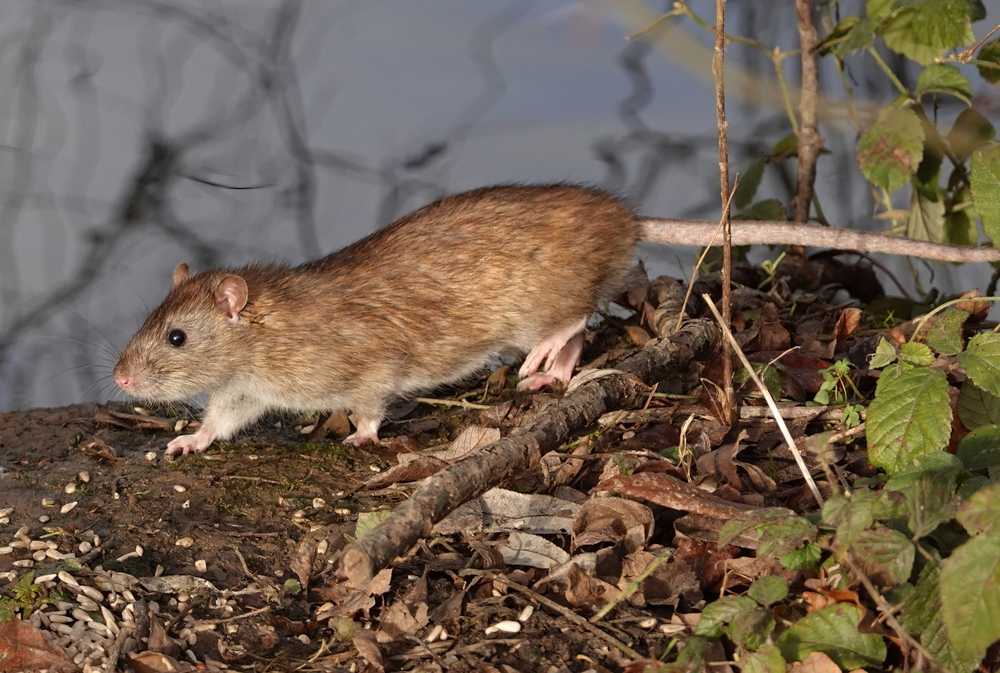
Also known as Rattus norvegicus, Norway rats are generally larger, weighing 7 to 18 ounces and measuring 13 to 16 inches long, including their long tails. They have gray bellies with reddish-brown to black fur on their backs, hairless ears and tails, and blunt snouts. Norway rats live near building foundations, basements, and ground floors, often burrowing underground.
These nocturnal rodents are active primarily at night, constructing burrows for nesting and shelter. Norway rats are omnivores and will eat a variety of human food waste, pet food, and even small animals. Rats eat almost anything available, which contributes to their success in urban environments. Their rapid reproduction rate, with females capable of giving birth to multiple litters annually, can result in 50 to 60 offspring per year, making immediate control essential.
Roof Rats
Roof rats, or Rattus rattus, are smaller than Norway rats, with tails longer than their bodies. They prefer coastal and near-coastal areas, living in dense vegetation such as shrubs and trees, and nesting in elevated spaces like attics, wall voids, and false ceilings.
Roof rats tend to eat fruits, nuts, seeds, and insects, differing from Norway rats in dietary preferences. Their agility as climbers makes exclusion more challenging, but understanding their habits helps develop effective control strategies.
Effective Methods for Rat Pest Control
Successful rat pest control relies on understanding rat behavior and acting before infestations spread. The three essential components are sanitation, structural exclusion, and population reduction. Combining these methods creates an environment unattractive to rats, preventing future infestations.
Sanitation
Sanitation is the foundation of controlling rodents. Removing food sources by storing food in airtight containers and managing waste properly reduces the rats’ attraction to your property. Regularly cleaning garbage cans and eliminating accessible pet food limits their food supplies. Since rats are opportunistic feeders, controlling what rats eat by denying access to food is crucial.
Structural Exclusion
Exclusion involves sealing all potential entry points to prevent rats from entering buildings. Rats can gnaw through wooden structures and squeeze through openings as small as half an inch. Thorough inspection of your property to find and seal gaps, cracks, and holes larger than a quarter inch is critical.
Rats are wary of new objects, so sealing entry points with durable materials like metal flashing or concrete ensures long-lasting exclusion. Roof rats tend to nest in elevated areas, so sealing gaps in attics and false ceilings is especially important.
Population Reduction
Reducing the existing rat population is vital to regain control. Rat traps are a primary tool for managing and removing rat populations. Snap traps are highly recommended as they kill rats instantly without the risks associated with poisons. These traps, made from wood or plastic, should be set along rat runways and securely fastened to prevent movement.
Electric traps offer a humane alternative by delivering a quick, lethal shock. Proper placement in secluded areas and along migration paths increases effectiveness. Using traps reduces the need for rodenticides, minimizing risks of secondary poisoning to non-target animals.
Glue traps can also be used, but are generally less effective and may cause prolonged suffering. When using any traps, set them carefully in areas typically found to have rat activity.
Rodenticides
Rodenticides can effectively reduce rodent populations when used correctly. They include anticoagulants, acute toxins, and non-toxic alternatives. However, to protect pets and wildlife, rodenticides must be used with care, following manufacturer instructions and local regulations to prevent accidental exposure and secondary poisoning.
Carbon dioxide is sometimes used in professional extermination to humanely kill rats in burrows, though its use is limited due to safety concerns around humans.
Preventative Measures
Preventing rat infestations depends on stopping their access to food, water, and shelter.
Store all food, including pet food, in strong, airtight containers made of glass or heavy plastic. Rats can chew through plastic bags, so using sealed containers reduces food availability and attraction.
Proper disposal and management of garbage is essential. Use garbage cans with secure-fitting lids and regularly clean trash areas to eliminate food debris that attracts rats. Avoid leaving garbage bags or food scraps accessible.
Maintain a schedule of thorough inspections to detect early signs of rat activity. Pest professionals can identify subtle evidence such as gnaw marks, droppings, and nesting materials in secluded areas, enabling prompt action.
The Dangers of Rat Infestations
Rat infestations pose serious health and property risks. Rats dangerous to humans and pets, can transmit diseases such as leptospirosis, bubonic plague, hantavirus, and, rarely, rabies. Their droppings, urine, and saliva can cause respiratory problems and allergic reactions.
Dead rats found in or around the home can pose additional health risks and should be handled with care and disposed of properly to avoid secondary poisoning of pets and wildlife.
Rats cause considerable damage by gnawing on electrical wiring, insulation, and wooden structures, creating fire hazards and costly repairs. The psychological stress from living with an infestation also impacts residents’ well-being.
When to Call a Professional
Severe or large-scale rat infestations require professional pest control services. Coordinated efforts among neighbors enhance control effectiveness. A reputable pest control company offers thorough inspections, exclusion repairs, and safe population control methods.
Effective rat pest control involves identifying infestation signs, distinguishing between Norway rats and roof rats, and employing a combination of traps, rodenticides, and exclusion methods. Preventive practices such as proper food storage, waste management, and regular inspections reduce the likelihood of reinfestation.
Professional pest control services provide expert assistance to protect your home and family from the dangers posed by rats. Prompt action is essential to completely remove rats and prevent the situation from worsening.
Frequently Asked Questions
What are the signs of a rat infestation?
Look for droppings near food sources, gnaw marks on materials, shredded paper or fabric used for nests, and scurrying sounds in quiet areas.
What types of rats are most common in North America?
The two most common species are Norway rats and roof rats, each requiring different control strategies.
How should I set up rat traps for maximum effectiveness?
Place traps along rat travel routes, secure them firmly, and use snap or electric traps for quick, humane kills.
What precautions should I take when using rodenticides?
Follow manufacturer guidelines carefully to protect pets and non-target animals from accidental exposure.
When should I seek professional help for rat infestations?
Contact a pest control professional when you notice significant property damage, frequent rat sightings, or signs of a large infestation.