Effective Rat Removal Solutions: Comprehensive Guide to Pest Control
Struggling with a rat problem? This guide on rat removal covers how to get rid of rats fast. Learn to detect infestations, use DIY methods, and know when to call professionals.
- Look for droppings, gnaw marks, nests, and strong odors.
- DIY methods may help with small rat problems.
- Professional treatment may be needed for larger or recurring infestations.
- Sealing entry points and removing food sources can help prevent rats from returning.
Identifying Rat Infestations
Early detection of a rat infestation is important for limiting damage and reducing health risks. Common warning signs include dark, pellet-shaped droppings, gnaw marks on surfaces, shredded paper or fabric used for nesting, and a strong odor similar to stale ammonia. In some cases, you may also notice greasy rub marks along walls, footprints in dusty areas, scratching noises, or unusual pet behavior.
Spotting these signs early can help you take action before the infestation becomes more severe.
Recognizing different species
Common rats found around homes include Norway rats, roof rats, and pack rats. Norway rats are larger and usually stay lower to the ground, while roof rats are slimmer and often nest in higher areas. Pack rats are known for their furry tails and nesting habits.
Professional Rat Removal Methods
Professional rat removal can be the most effective option for large or recurring infestations. Pest control professionals may use inspections, traps, bait stations, and exclusion work to remove rats and help prevent them from returning.
Thorough inspection
A thorough inspection is crucial for effective rat control. It helps confirm the infestation, identify nesting areas, and locate entry points before treatment begins.
Trapping techniques
Trapping is a common method for indoor rat control. Snap traps are often used in areas with frequent rat activity, especially along walls and near food sources. Proper placement and regular monitoring improve their effectiveness.
Using tamper-resistant bait stations
Tamper-resistant bait stations allow rodents to reach bait while helping protect children, pets, and larger animals. Pest control professionals place and monitor these stations carefully as part of a broader rat control plan.
DIY Rat Control Options
While professional methods are often the most effective, some homeowners may try DIY rat control first. Good sanitation is an important part of any rat control effort because food, clutter, and shelter can make the problem worse. Common DIY options include traps, repellents, and steps to secure food sources, though these methods are usually more effective for small or early infestations than for larger, established ones.
Common DIY rat control methods include:
- Setting up traps: Place traps along walls, near food sources, and in other areas where rat activity is common. Use bait such as peanut butter or dried fruit, and check and reset traps regularly.
- Using natural repellents: Some homeowners try peppermint oil, onion, garlic, pepper, or castor oil to deter rats. These may offer short-term help, but they work best when food and shelter are also reduced.
- Securing food sources: Store pet food and dry goods in airtight containers, clean up spills quickly, and keep indoor and outdoor areas free of food debris that could attract rats.
- Maintaining cleanliness: Reduce clutter, remove nesting materials, and keep storage areas tidy to make the environment less appealing to rats.
DIY methods can help with minor rat problems, but they may not provide a long-term solution if the infestation is larger or recurring. If activity continues, professional treatment may be the better next step.
Preventing Future Rat Infestations
Preventing future rat infestations takes consistent maintenance and a few proactive steps around the home. The goal is to make your property less accessible and less appealing by blocking entry points, removing food and water sources, and catching signs of activity early. These steps can help reduce the risk of rats returning after treatment or cleanup.
Key prevention strategies include:
- Sealing entry points: Inspect doors, windows, vents, walls, and foundations for holes, cracks, or gaps that rats could use to enter. Seal these openings with durable materials such as wire mesh or other rat-resistant barriers.
- Eliminating food and water sources: Store food in airtight containers, clean up spills quickly, remove outdoor debris, and fix leaks or standing water that may attract rats.
- Maintaining cleanliness: Keep indoor and outdoor areas tidy, reduce clutter, and remove nesting materials that could provide shelter.
- Conducting regular inspections: Check the property often for new entry points, droppings, gnaw marks, or other signs of rat activity so you can respond before the problem grows.
Long-term prevention depends on staying consistent with these habits. Regular maintenance and early action can go a long way in keeping your property rat-free.
Health Risks Associated with Rats
Rats are known carriers of numerous diseases that can be transmitted to humans through direct contact or contaminated surfaces. Understanding these risks underscores the importance of effective rat control.
Diseases spread by rats
Rats are carriers of various diseases. These include leptospirosis, bubonic plague, hantavirus, and salmonella. Leptospirosis and hantavirus can be transmitted through rat saliva and urine, posing significant health risks. Rat-bite fever is another serious illness that can result from bites or scratches from infected rats.
Bubonic plague, although rare, is spread via fleas that infest rats. These diseases highlight the importance of addressing rat infestations promptly to protect human health.
Allergens and bites
Rat bites can pose serious health risks, including the transmission of diseases. Rats may bite to defend themselves if they feel threatened or cornered. These bites can lead to severe health consequences and require immediate medical attention. Rats can be a significant concern in urban areas.
In addition to bites, rats can also trigger allergies in sensitive individuals. Their droppings, urine, and dander can cause allergic reactions and respiratory issues. Maintaining a rat-free environment is essential for protecting the health of all occupants, including pets.
Choosing the Right Rat Control Experts
Choosing the right rat control expert can make a big difference when dealing with a serious or recurring infestation. A qualified pest control professional can identify the source of the problem, recommend the right treatment plan, and help prevent rats from returning.
When comparing providers, look for strong customer reviews, clear communication, and experience with rat control. It is also helpful to ask about treatment methods, follow-up services, and any guarantees they offer. Choosing a reputable company can give you more confidence that the problem will be handled effectively.
Hiring professionals for rat control can ensure effective and long-term solutions beyond DIY methods. Professional services offer comprehensive solutions, including thorough inspections, advanced trapping techniques, and preventive measures to keep rats from returning.
Rat infestations can damage property and create serious health concerns. By spotting the signs early, using practical control methods, and taking preventive steps, you can reduce the risk of a larger problem. For severe or recurring infestations, professional pest control may be the most effective solution.
Frequently Asked Questions
What are the common signs of a rat infestation?
The common signs of a rat infestation include dark droppings, gnaw marks, shredded materials used for nesting, and a distinct odor reminiscent of stale ammonia. Recognizing these indicators early can help in effectively addressing the issue.
How can I differentiate between Norway rats and roof rats?
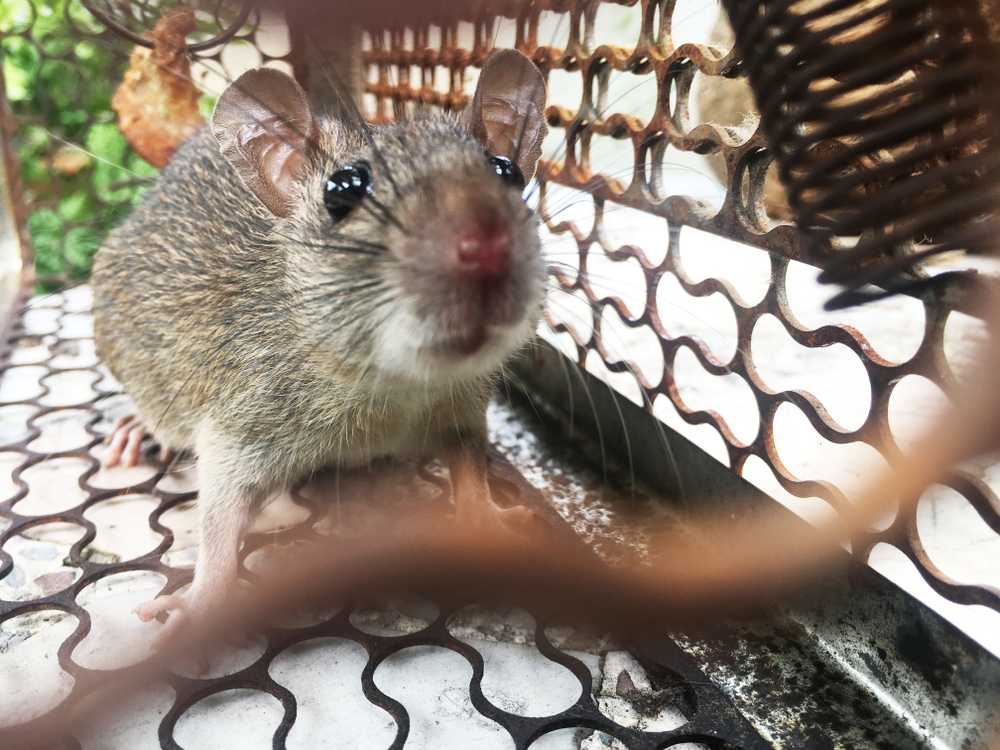
To differentiate between Norway rats and roof rats, observe that Norway rats are larger, have bald ears, black eyes, a blunt nose, and a brown or grey body, while roof rats are smaller, with sleek bodies and longer tails. Recognizing these physical characteristics will help you accurately identify the species.
What are some effective DIY rat control options?
Effective DIY rat control options include setting traps with bait, using natural repellents such as peppermint oil and onions, and securing food sources to deter infestations. These methods can help you manage and reduce rat populations effectively.
How often should bait stations be checked and replenished?
Bait stations should be checked every 1-2 weeks to ensure they are stocked and effective. If bait is being consumed, it is essential to replenish it promptly to address rat activity.
What health risks do rats pose to humans?
Rats pose significant health risks to humans, as they can spread diseases such as leptospirosis, bubonic plague, hantavirus, and salmonella. Additionally, rat-bite fever may occur from bites or scratches by infected rats.