Understanding the German Cockroach Life Cycle
Understanding the German cockroach life cycle can make control efforts more effective. This article explains how German cockroaches develop from eggs to nymphs to adults, and how that knowledge can help homeowners and pest control professionals target infestations more successfully.
- Female German cockroaches reproduce quickly, which makes infestations harder to control once they spread.
- Early action at the egg and nymph stages can help reduce population growth before infestations become severe.
- Effective control usually combines monitoring, prevention, treatment, and professional help when needed.
Reproductive Habits
Female German cockroaches are known for their prolific breeding habits. Each female can produce 4 to 6 egg cases, or oothecae, in her lifetime, with each case containing up to 48 eggs. She carries the egg case at the tip of her abdomen until it is almost ready to hatch, which helps protect the developing young.
Egg Production
This reproductive pattern allows German cockroaches to multiply quickly. Under favorable conditions, one female and her offspring can lead to a large infestation in a relatively short time. Because of this rapid growth, even a small infestation can become difficult to manage if it is not addressed early.
Why Reproduction Makes Infestations Worse
The speed of their reproduction is one of the main reasons German cockroaches are so difficult to eliminate. Their ability to produce multiple generations in a short time means that delaying treatment often gives the infestation more time to spread. Understanding how quickly they reproduce helps explain why early control matters so much.
Egg Stage
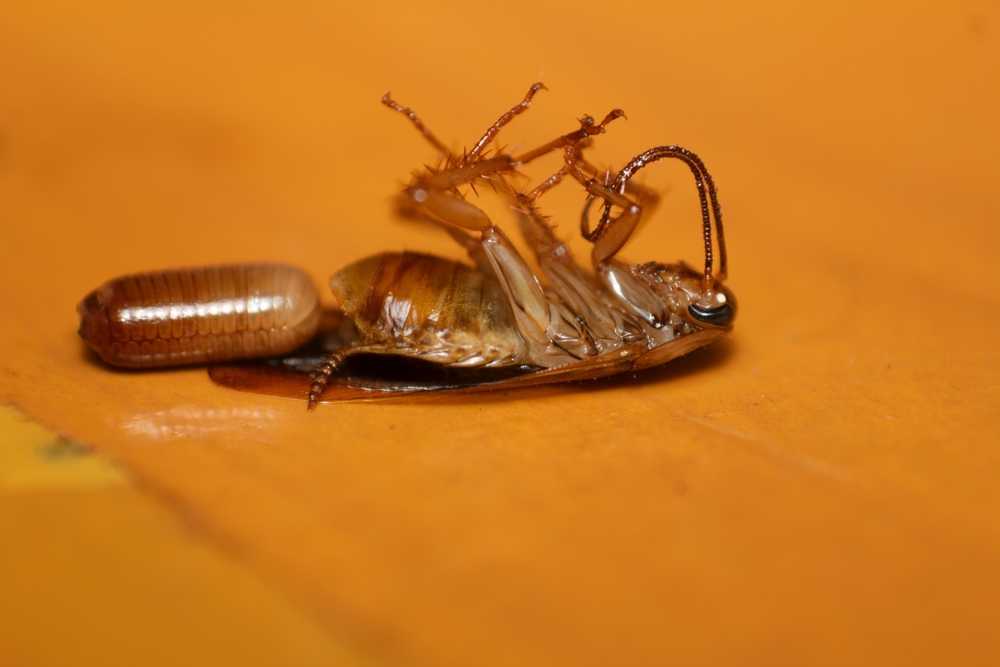
The life cycle of a German cockroach begins with the egg stage. Female cockroaches produce oothecae that are about 8 millimeters long and may contain around 40 eggs. The female protects the egg case by keeping it attached to her body until it is nearly ready to hatch.
The incubation period usually ranges from 20 to 30 days, depending on temperature and humidity. Warm indoor environments with easy access to food and moisture create ideal conditions for egg development. Once the eggs hatch, nymphs emerge and continue the life cycle.
Because so many cockroaches can emerge from one egg case, identifying and removing oothecae early can help prevent a much larger infestation from developing.
Nymph Development
After hatching, German cockroaches enter the nymph stage. Nymphs look like smaller, wingless versions of adults. They begin almost transparent and darken as they grow.
How Nymphs Develop
Nymphs molt several times before reaching adulthood, shedding their exoskeleton as they increase in size. During this stage, they are usually found in warm, humid areas such as kitchens, bathrooms, and spaces near appliances. Their dark coloration and developing body shape help distinguish them from adults.
Why the Nymph Stage Matters
Under favorable conditions, German cockroach nymphs can mature into adults in as little as six weeks. This rapid development means that infestations can escalate quickly. Targeting nymphs before they mature and reproduce can significantly reduce population growth and make treatment more effective.
Adult German Cockroaches
Adult German cockroaches are light brown and usually have two dark stripes running lengthwise behind the head. They are small but fast-moving, and although they have wings, they usually run rather than fly. Males are more slender, while females have broader, more rounded abdomens.
These nocturnal pests prefer warm, humid spaces such as kitchens and bathrooms, where food and moisture are easy to find. They also live in groups and use pheromones to communicate, which helps them gather around food, shelter, and breeding sites.
Signs of German Cockroach Infestation
Early signs of a German cockroach infestation often include droppings, fecal spotting, egg cases, shed skins, and a musty odor in active areas. Homeowners may also notice live cockroaches in kitchens, bathrooms, laundry rooms, or around appliances where food and moisture are available.
Visible Signs
German cockroach droppings often appear as dark specks or smears in areas where activity is concentrated. Egg cases and shed skins may also collect in corners, cabinet interiors, and hidden spaces behind appliances.
Where to Look
Because German cockroaches prefer warm, humid areas, regular inspection of these spaces can help catch activity before the infestation grows. Spotting the signs early makes treatment more effective and helps reduce the risk of a larger outbreak.
Effective Monitoring Techniques
Monitoring is an important part of German cockroach control. Sticky traps and pheromone traps can help detect activity, identify problem areas, and measure how widespread an infestation has become.
These traps work best when placed along walls, behind appliances, under sinks, and in corners where cockroaches travel. Labeling traps with dates and checking them regularly can help track changes in activity over time. Monitoring gives homeowners and pest control professionals useful information for deciding when and where to intervene.
Prevention Strategies
Preventing German cockroach infestations starts with sanitation and exclusion. Cockroaches need food, moisture, and shelter to survive, so reducing access to those resources can make a home far less attractive to them.
Store food in sealed containers, clean up crumbs and spills quickly, reduce clutter, and fix leaks or moisture problems. Sealing cracks, gaps, and entry points around cabinets, plumbing, and walls can also help keep cockroaches from spreading through the home. Regular cleaning, especially around appliances and hidden areas, is one of the most effective long-term prevention strategies.
Health Hazards from German Cockroaches
German cockroaches can create serious health concerns in homes and businesses. They are known to carry bacteria such as Salmonella and E. coli, which can contaminate food and surfaces in kitchens and food preparation areas.
Disease Risks
As cockroaches move through unsanitary areas and then across counters, dishes, and stored food, they can contribute to the spread of harmful bacteria. This is one reason infestations should be addressed quickly.
Allergens and Asthma Triggers
German cockroaches also produce allergens through their droppings, shed skins, and saliva. These allergens can become airborne and may worsen asthma symptoms, especially in children and sensitive individuals. Reducing cockroach populations is an important step in improving overall indoor health.
Chemical and Non-Chemical Treatments
German cockroach control often works best when chemical and non-chemical methods are combined. Common chemical treatments include insect baits, insect growth regulators, and boric acid products. These treatments help reduce active populations and interrupt the cockroach life cycle.
Chemical Treatments
Insect baits allow cockroaches to carry toxic ingredients back to their hiding places, which can help affect more of the colony. Insect growth regulators interfere with development and reproduction, helping stop immature roaches from maturing into breeding adults.
Non-Chemical Options
Non-chemical methods such as sanitation, sealing entry points, reducing moisture, and removing food sources are also essential for long-term control. Natural remedies may offer limited help, but they are usually not enough on their own for a serious infestation. A combined approach is often the most effective way to manage German cockroaches and prevent them from returning.
Professional Pest Control Services
Professional pest control services can offer a more thorough and long-lasting solution when German cockroach infestations become severe or difficult to manage. Pest control professionals can inspect the home, identify the main activity areas, and apply treatments in a more targeted and effective way.
They may also recommend follow-up services and prevention steps that help keep infestations from returning. For homeowners dealing with repeated cockroach activity, professional treatment can provide the level of control that DIY methods often cannot achieve on their own.
Managing German Cockroaches Effectively
Understanding the German cockroach life cycle can help homeowners respond more effectively to infestations and reduce the risk of long-term problems. By combining early detection, prevention, monitoring, and the right treatment methods, it becomes much easier to control these pests before they spread.
For larger or persistent infestations, professional pest control may be the best way to restore a healthy, cockroach-free environment.
Frequently Asked Questions
How quickly can German cockroaches reproduce?
German cockroaches can reproduce rapidly, as a female can produce 4 to 6 egg cases in her lifetime, each containing up to 48 eggs. This capability facilitates significant population increases in a short time.
What are the common signs of a German cockroach infestation?
Common signs of a German cockroach infestation include the presence of visible insects and fecal spots, especially in warm and humid areas such as kitchens and bathrooms. Prompt action is crucial upon noticing these indicators.
How can I effectively monitor German cockroach populations?
To effectively monitor German cockroach populations, utilize sticky and pheromone traps in vulnerable areas and conduct regular inspections. This approach will ensure timely detection and management of infestations.
What health risks do German cockroaches pose?
German cockroaches pose significant health risks as they can carry harmful bacteria such as Salmonella and E. coli, while their droppings, shed skins, and saliva can trigger allergic reactions and asthma. Addressing a cockroach infestation promptly is crucial for maintaining a healthy environment.
Why should I hire professional pest control services?
Hiring professional pest control services ensures effective and safe management of pests due to their specialized knowledge and customized treatment plans. This approach leads to long-term solutions that protect your property and health.