Silverfish vs. Earwig: Key Differences and How to Get Rid of Them
Not sure whether you’re dealing with silverfish or earwigs? This guide explains the key differences between silverfish and earwigs, including how they look, where they hide, what damage they cause, and how to control them.
What to Know
- Silverfish are silver, flattened insects with long antennae and tail-like appendages, while earwigs are darker, more cylindrical, and have pincers.
- Both pests prefer moisture, but silverfish are usually a greater concern indoors because they damage paper, fabrics, and stored household materials.
- Controlling moisture and removing hiding places are some of the most effective ways to reduce both pests.
Physical Characteristics
Color and Body Shape
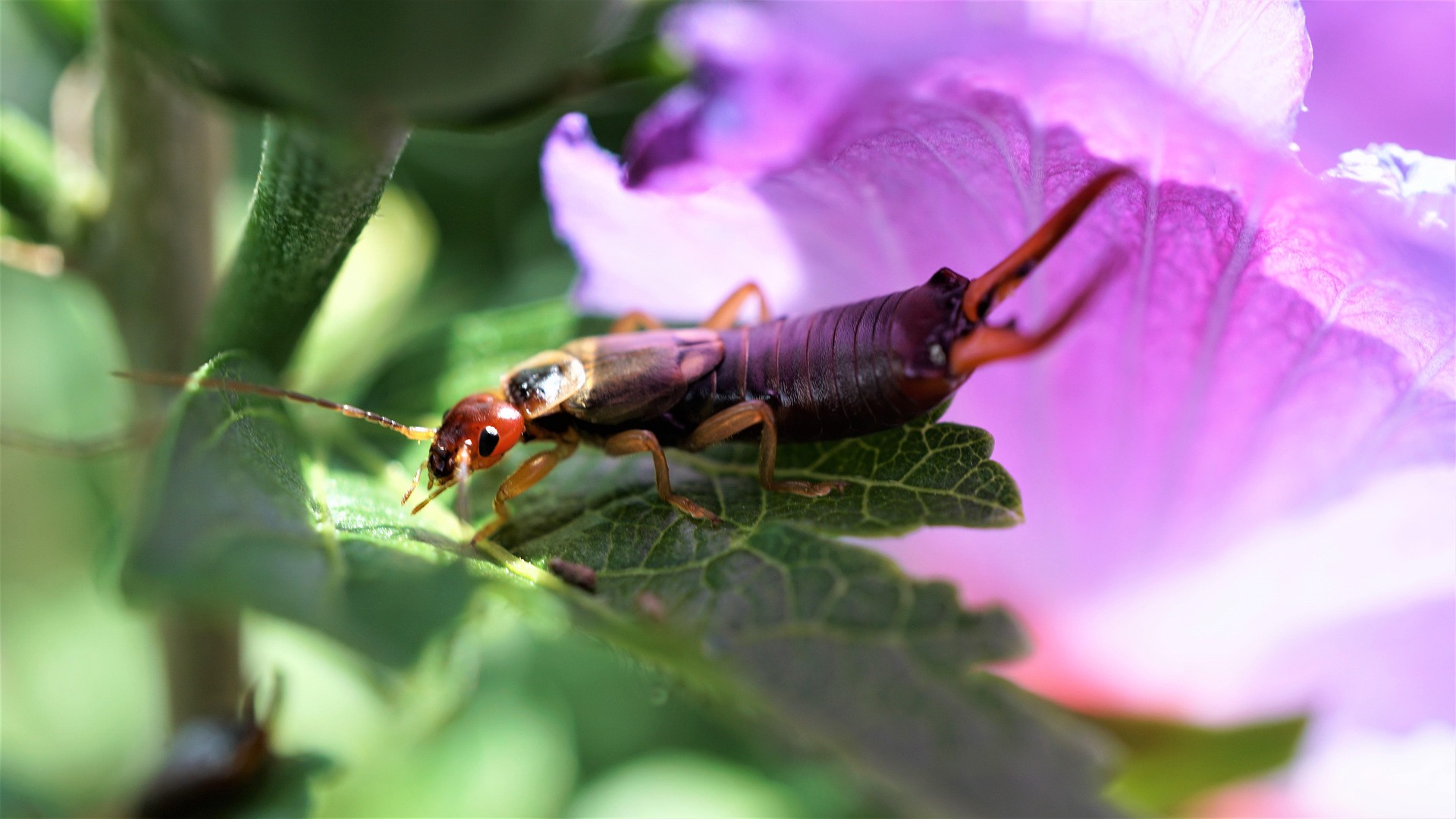
Silverfish and earwigs are easy to tell apart once you know what to look for. Silverfish are metallic gray or silver and have a flattened, tapered body that resembles a fish. Earwigs are usually dark brown, reddish-brown, or black and have a more cylindrical body shape.
These differences in color and shape are often the quickest way to tell which pest you are seeing.
Key Features That Set Them Apart
Silverfish have long antennae and three tail-like appendages extending from the rear of the body, which give them their distinctive fish-like appearance. Earwigs, by contrast, are best known for the pincers at the end of their abdomen. These pincers are used mainly for defense and handling prey.
Because these features are so different, they provide one of the clearest ways to distinguish silverfish from earwigs during an inspection.
Movement and Behavior
Movement patterns of silverfish and earwigs differ notably, aiding in their identification. Silverfish are adept climbers, capable of scaling vertical surfaces using their claws and adhesive pads. They move with a distinctive wiggling motion, reminiscent of a fish swimming, which is quite unique among household pests.
Earwigs, on the other hand, are more likely to crawl rapidly in short bursts, often crawling in response to disturbances. They can occasionally unfold their wings when startled, although they are not strong fliers. Both silverfish and earwigs are primarily nocturnal, being most active at night. This nocturnal behavior means that you are more likely to encounter them during late-night trips to the kitchen or bathroom, adding to the eerie feeling these bugs often invoke. Insect behavior like this can be quite unsettling.
The behavior of these creatures also includes their interaction with humans and other insects. While they are not aggressive, their presence in homes can be unsettling. Silverfish and earwigs tend to hide during the day in dark, humid places, making them difficult to spot until their populations grow large. Understanding their movement and behavior is essential for implementing effective pest control strategies and reducing their presence in your home.
Habitat Preferences
Where Silverfish Hide
Silverfish prefer dark, humid places where they can stay hidden during the day. They are often found in bathrooms, basements, laundry rooms, closets, and other areas with higher moisture levels. Indoors, they may hide behind baseboards, under rugs, inside boxes, or between the pages and bindings of stored books.
Because silverfish thrive in damp conditions, moisture problems often make a home more attractive to them.
Where Earwigs Hide
Earwigs usually live outdoors in damp, protected areas rich in organic matter. They are often found under mulch, leaf piles, stones, flower pots, and decaying plant material. When conditions become too hot or dry outside, they may move indoors in search of moisture and shelter.
Inside the home, earwigs are more likely to appear in basements, bathrooms, laundry rooms, or other cool, damp spaces. Understanding these habitat preferences can help homeowners locate problem areas and reduce the conditions that attract both pests.
Diet and Feeding Habits
What Silverfish Eat
Silverfish feed on materials rich in starch and sugar, including wallpaper paste, paper, book bindings, glue, fabric, and other household materials. Because of this diet, they can damage stored items and personal belongings indoors.
What Earwigs Eat
Earwigs mainly feed on decaying leaves and plant matter, though they may also hunt smaller insects. This diet makes them more likely to appear in gardens, mulch beds, and other outdoor areas rich in organic material.
These different feeding habits help explain why silverfish tend to be a larger concern indoors, while earwigs are more often a nuisance around landscaping and outdoor living spaces.
Reproduction and Life Cycle
Silverfish and earwigs reproduce differently, which affects how infestations develop. Silverfish lay small eggs in hidden, damp places, and their young continue to molt as they grow. Because they can survive for long periods in favorable indoor conditions, silverfish infestations may persist unnoticed.
Earwigs are seasonal breeders and usually reproduce outdoors in soil or protected organic matter. Female earwigs guard their eggs, which is unusual among many household pests. Understanding these differences can help explain why silverfish are often a more persistent indoor issue, while earwigs are more commonly associated with outdoor moisture and shelter.
Damage Potential in Homes
Silverfish and earwigs differ significantly in the damage they cause to homes. Silverfish can cause significant damage to personal belongings in the home, as they eat materials like wallpaper paste, paper, books, and various fabrics. This makes them a greater threat to household items compared to earwigs.
Earwigs typically cause minimal structural damage, mainly creating a nuisance indoors. The main damage caused by earwigs occurs to garden plants rather than indoor belongings. Overall, silverfish present a higher damage threat to homes compared to earwigs.
Common Myths and Misconceptions
There are several myths about silverfish and earwigs that can cause unnecessary concern. Earwigs do not crawl into human ears, despite the long-running myth. Silverfish may look strange, but they are not dangerous to humans. Neither pest is considered a major direct threat to people, although both can become frustrating household nuisances if left unmanaged.
Control Methods
Effective control of silverfish and earwigs involves addressing moisture issues, as both pests thrive in humid environments. Maintaining humidity levels below 50% is crucial for controlling silverfish populations. Applying routine exterior treatments can significantly reduce the chances of pest invasions by controlling outdoor populations.
Silverfish Control Tips
Moisture reduction is the main strategy for controlling silverfish. It is important to keep environments dry to prevent their presence. Using dehumidifiers and fixing leaks can help maintain humidity levels below 50%. Additionally, sealing food containers properly can significantly help in managing silverfish populations.
Regular monitoring and cleaning of areas prone to high moisture, such as bathrooms and basements, are also essential steps in preventing silverfish infestations.
Earwig Control Tips
Removing outdoor habitats that attract earwigs is essential for their control. This includes raking mulch, moving lumber piles, and pruning ground covers.
Effective trapping methods for earwigs include using tuna can traps and damp newspaper traps. Reducing the availability of moist, dark hiding spots can significantly decrease the earwig population around your home.
Professional Pest Control Solutions
If silverfish or earwig activity continues despite cleaning, moisture control, and basic home treatments, professional pest control may be the best next step. A professional can identify where these pests are hiding, determine what conditions are attracting them, and recommend treatment that targets the problem more effectively.
This can be especially helpful when moisture issues, hidden nesting areas, or repeated pest activity make DIY control difficult to manage.
Keeping Silverfish and Earwigs Out of Your Home
Silverfish and earwigs may look similar at first glance, but they differ in appearance, behavior, habitat, and the type of damage they cause. Knowing which pest you are dealing with can make control efforts more effective and help you focus on the conditions that are attracting them.
By reducing moisture, removing hiding places, and responding early, homeowners can lower the chances of an infestation becoming more serious. When pest activity keeps returning, professional treatment may be the most effective way to restore control.
Frequently Asked Questions
How can I tell the difference between a silverfish and an earwig?
To distinguish between silverfish and earwigs, note that silverfish have flattened, gray or silver bodies with long antennae, whereas earwigs are dark brown or black with cylindrical bodies and pincers at their abdomen. This clear identification can help you address any pest concerns effectively.
Are silverfish and earwigs dangerous to humans?
Silverfish and earwigs do not pose significant danger to humans; they are primarily considered a nuisance rather than a threat.
What are the best ways to control silverfish in my home?
To effectively control silverfish in your home, focus on reducing moisture by using dehumidifiers, fixing leaks, and properly sealing food containers. These steps will significantly help manage and prevent silverfish infestations.
How can I prevent earwigs from entering my home?
To prevent earwigs from entering your home, it’s important to eliminate outdoor habitats by raking mulch, moving lumber piles, and pruning ground covers. Additionally, utilizing tuna can traps and damp newspaper traps can effectively reduce their populations.
When should I contact a professional pest control service?
You should contact a professional pest control service in Chula Vista when dealing with persistent infestations, such as silverfish or earwigs, to ensure effective identification and targeted treatment. Timely intervention can prevent further damage and discomfort in your home, which is why many residents rely on professional pest control services in Santa Ana.