Essential Guide to Drywood Termite Control and Prevention
Worried about Drywood Termite infestations in your home? Learn how to identify these pests, spot signs of infestation, and discover the most effective treatments and prevention methods. We’ll also explore how Drywood Termites differ from subterranean termites.
- Drywood termites infest wood directly without needing contact with soil, which makes them different from subterranean termites.
- Common signs of infestation include damaged wood, piles of fecal pellets, and shed wings near windows or light sources.
- Fumigation, heat treatments, and localized spot treatments are common control methods, while regular inspections and proper wood maintenance can help prevent infestations.
Identifying Drywood Termites
Drywood termites have a more robust, cylindrical body shape than some other termite species. Their color usually ranges from light brown to reddish-brown, which can help with identification. Soldier termites have large mandibles, while winged reproductive termites, known as alates, swarm to mate and establish new colonies.
These alates have two sets of wings and typically shed them soon after swarming. Drywood termites may enter homes through exposed wood, infested furniture, or swarm activity near windows, doors, or other openings. Recognizing these basic features can help homeowners spot activity earlier and respond more quickly.
Drywood vs Subterranean Termites
Drywood and subterranean termites differ in how they live and how they infest a structure. Drywood termites do not need contact with soil and can live directly inside dry wood, while subterranean termites usually travel from the soil into a structure through mud tubes and moisture-rich areas.
These differences affect how infestations are detected and treated. Understanding which type of termite is present is an important first step in choosing the most effective control method.
Common Species of Drywood Termites
Several species of drywood termites are commonly found in homes, including Southern Drywood, Western Drywood, and West Indian Drywood termites. While each species has its own habits and preferred regions, all can cause damage by infesting dry wooden materials directly.
Knowing which species is present can help guide treatment and prevention decisions, especially in areas where certain species are more common. Whether the infestation involves structural wood, furniture, or decorative wood elements, professional identification can help determine the most effective response.
Southern Drywood Termite
The Southern Drywood Termite is common in warm climates and often infests homes with exposed or untreated wooden components. These termites usually swarm in late summer and fall, when reproductive termites leave the colony to establish new nesting sites.
Because swarming activity often signals an established colony nearby, recognizing this seasonal pattern can help homeowners detect infestations earlier.
Western Drywood Termite
Western Drywood Termites infest dry, untreated wood such as framing, furniture, and other wooden structures in warmer regions. This species typically swarms from late summer to early fall, which makes that time of year especially important for inspections and early detection.
Because these termites attack dry wood directly, they pose a serious concern for homeowners, especially when infestations go unnoticed for long periods.
West Indian Drywood Termite
West Indian Drywood Termites commonly live in coastal areas and infest both hardwood and softwood materials. Because they attack a wide range of wooden items and structures, they can cause especially severe damage when homeowners do not catch the infestation early.
Knowing where these termites live and how they behave can help homeowners detect activity sooner and choose more effective control methods.
Signs of Drywood Termite Infestation
Detecting a drywood termite infestation early can save you from costly repairs. Visible signs include:
- Visible damage on wooden structures, such as chewed or hollowed-out wood
- Piles of fecal pellets, also known as frass, often gathered beneath exit holes
- Shed wings from mating swarms near windows or light sources.
Regular inspections by pest control professionals are critical in identifying these signs early and mitigating damage.
Drywood Termite Pellets
Drywood termite pellets are characterized by tiny pellets that are oval-shaped, typically about 1 millimeter long, resembling small grains of salt or pepper, and having a distinct shape with six concave surfaces.
Heaps of these pellets beneath infested wood are a telltale sign of drywood termite activity.
If you find these tiny piles, it is crucial to take immediate action to prevent further infestation.
Exit Holes and Frass
Drywood termites create small holes in wood to eject frass, which can appear as small piles or mounds beneath infested wood. These pellets, often resembling tiny grains of sand, serve as a key indicator of termite activity. Exit holes can sometimes be partially blocked with frass, making them difficult to spot. Additionally, drywood termites produce fecal pellets that further indicate their presence.
Regularly inspecting for these signs can help in early detection and control.
Life Cycle and Colony Formation
Drywood termites develop through several life stages, beginning as eggs and gradually maturing into nymphs and adult termites. This process can take months and may vary depending on conditions such as temperature and humidity. Unlike subterranean termites, drywood termites live directly inside the wood they infest and do not need contact with soil.
Their colonies are usually smaller and require very little moisture, which can make them harder to detect. Understanding how these colonies form and grow helps explain why drywood termite infestations can continue unnoticed until visible damage appears.
Reproductive Termites and Swarming
Swarming events are critical for the reproduction and expansion of termite colonies. The Western Drywood Termite typically swarms during the day, which is a distinctive trait. After swarming, alates shed their wings and find suitable locations to mate and start new colonies.
These winged reproductive termites are essential for establishing new colonies. Recognizing and controlling swarming events, including dispersal flights, can help prevent the spread of infestations.
Nymph Development
Nymphs are immature termites that gradually develop into workers, soldiers, or reproductive termites. Their growth depends on environmental conditions such as temperature and humidity, which can affect how quickly a colony expands.
Although homeowners may not see this stage directly, understanding how termites develop helps explain why infestations can continue growing over time if they are not treated.
Damage Caused by Drywood Termites
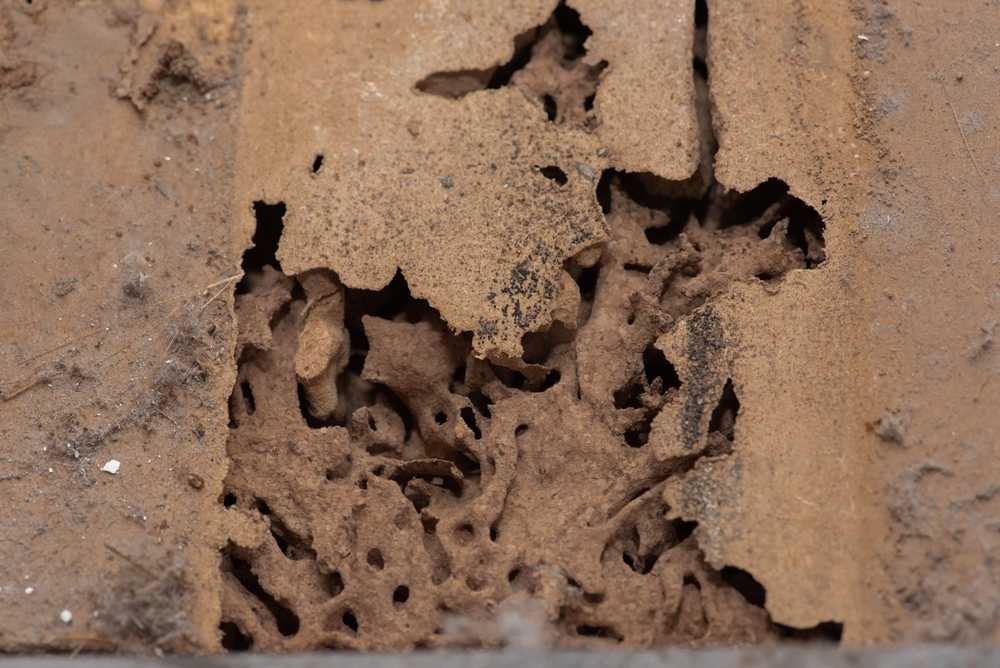
Drywood termites cause significant structural damage by consuming wood from the inside out, often going undetected until severe harm is done. Visible damage on wood surfaces, such as chewed or hollowed-out wood, indicates their presence. If left untreated, infestations can result in extensive damage across multiple areas of furniture and wooden structures.
Signs like bubbling or peeling paint and a hollow sound when tapping on walls can indicate activity. Addressing these signs promptly can prevent costly repairs.
Wood Galleries and Structural Harm
Drywood termites create smooth, sanded-down feeding tunnels known as galleries within the wood. These tunnels are typically free of mud, unlike those created by subterranean termites. The galleries can weaken the structural integrity of wood, leading to potential collapse if left untreated.
This structural harm can affect the whole structure, posing significant risks to safety and stability.
Furniture and Antique Damage
Drywood termites can also infest furniture, antiques, and other decorative wood items. Over time, their feeding can weaken the structure of these pieces and damage their appearance, sometimes leading to costly repairs or replacement.
This type of damage can be especially frustrating when valuable or sentimental wooden items are involved, which makes early detection even more important.
Effective Drywood Termite Treatments
Treating drywood termites involves various methods, including chemical and non-chemical approaches. Controlling drywood termites through structural fumigation is necessary for severe infestations that are difficult to access. Using a combination of treatments can enhance effectiveness and ensure comprehensive elimination of infestations.
Consulting with pest control professionals is essential for selecting the right treatment strategy.
Fumigation
Whole-structure fumigation involves the following steps:
- Sealing the building completely.
- Placing a tent over the structure.
- Releasing a fumigant gas that penetrates all areas and affects the termites’ oxygen intake.
- Allowing the process to take between 24 to 72 hours, depending on the size of the home.
This method effectively eliminates termites throughout the building.
Fumigation with sulfuryl fluoride is highly effective when monitored, killing drywood termites within days.
Heat and Freezing Treatments
Heat treatments are a non-chemical option effective for localized drywood termite infestations and drywood termite control. Unlike chemical treatments, heat treatments do not require residents to vacate their homes for extended periods. Safety precautions must be taken to prevent damage to other materials and ensure thorough heat penetration into the wood.
Spot Treatments
Spot treatments involve applying termiticides specifically to areas where termite activity is suspected, allowing for targeted control. Localized treatments require precise application of chemicals directly onto accessible infestations and can include spot treatment methods that contain an active ingredient.
This method limits the use of chemicals to only those locations, reducing overall chemical exposure while effectively managing the infestation.
Preventing Drywood Termite Infestations
Preventing drywood termite infestations involves correcting conditions such as leaky gutters, unsealed wood, improper water drainage, and water leaks. Proactive measures can significantly reduce the risk of a costly and damaging infestation.
Implementing these preventive strategies is crucial in protecting your home from future termite threats.
Proper Wood Storage and Maintenance
To prevent moisture accumulation and limit termite access when storing wood:
- Store wood off the ground and cover it with a tarp.
- Keep firewood at least 20 feet away from the home to reduce termite exposure.
- Use sealed containers for wood storage to limit exposure to termites and other pests.
Treated wood for exposed wood structures can help prevent infestations. Proper wood storage and maintenance can help reduce the risk of drywood termite infestations by limiting termites’ access to exposed wood.
Regular Inspections
Regular inspections by pest management professionals are crucial in identifying early signs of termite activity, ensuring timely intervention before significant damage occurs. Professionals look for visible signs of termite activity such as droppings, frass, and exit holes in wood structures.
Preventive treatments such as fumigation, heat treatments, and spot treatments can be effectively utilized after inspections to manage and mitigate termite risks. Ensuring regular inspections can significantly reduce long-term costs related to structural repairs and pest control.
Long-Term Drywood Termite Protection
Understanding how to identify drywood termites, recognize signs of infestation, and respond with the right treatment can help protect your home from serious damage. Early detection, regular inspections, and proper wood maintenance are some of the best ways to reduce the risk of future infestations.
When termite activity is suspected or confirmed, acting quickly can help limit damage and make treatment more effective.
Frequently Asked Questions
How can I identify a drywood termite infestation?
To identify a drywood termite infestation, look for visible damage on wooden structures, piles of fecal pellets (frass), and shed wings from swarming. Regular inspections by pest control professionals are advisable for early detection.
What are the differences between drywood and subterranean termites?
The primary differences between drywood and subterranean termites lie in their habitats and moisture requirements. Drywood termites infest dry wood and do not require soil contact, whereas subterranean termites need constant moisture and create tunnel systems from the soil. Additionally, drywood termites feature larger soldier and worker forms and rapidly shed their wings post-swarming.
What are the common species of drywood termites found in homes?
The common species of drywood termites found in homes are the Southern Drywood, Western Drywood, and West Indian Drywood termites, each exhibiting distinct characteristics and habitat preferences. It is crucial to be aware of their presence to mitigate potential damage.
What treatments are effective against drywood termites?
Effective treatments for drywood termites include fumigation for severe infestations, and heat or spot treatments for localized issues. Choosing the right method depends on the extent of the infestation.
How can I prevent drywood termite infestations?
To prevent drywood termite infestations, ensure proper wood storage and maintenance, address conditions such as leaky gutters and unsealed wood, and schedule regular inspections by pest management professionals. Proactive measures are essential in safeguarding your property.