Subterranean Termite Infestation: Identification, Damage, and Treatment
Subterranean termites are a serious pest that can cause significant damage to structures. These termites live and breed underground, making early detection challenging yet crucial. In this article, you’ll learn how to identify subterranean termites, the signs of an infestation, the damage they cause, and effective prevention and treatment methods.
Understanding Subterranean Termites
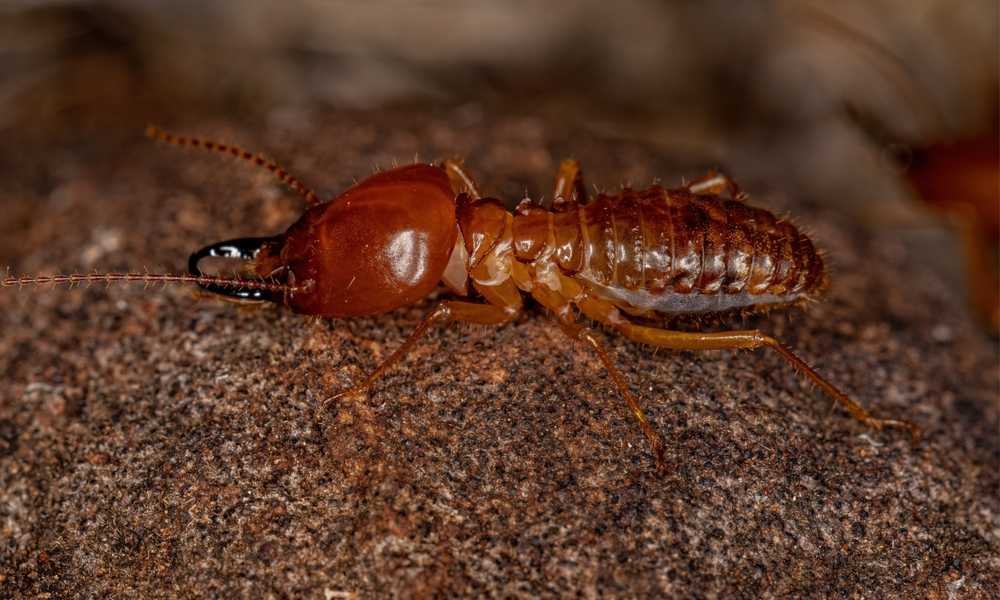
Subterranean termites are social insects that operate within a highly organized colony structure. Their subterranean termite colonies consist of different castes, including reproductive termites, worker termites, and soldiers. The worker termites, which are cream-colored and measure about a quarter inch or less, are primarily responsible for foraging, nest maintenance, and labor within the colony. The soldier termites, easily recognizable by their large mandibles and brownish heads, protect the colony from threats. Reproductive termites, also known as alates, are dark brown to black with two pairs of wings and play a critical role in starting new colonies during swarming events.
Moisture plays a critical role in subterranean termites’ survival, influencing their distribution and behavior. These termites are particularly active during the summer, foraging for cellulose-rich materials like wood and paper. Warm temperatures and moist environments provide optimal conditions for their activity. Monitoring and managing moisture levels around your property can help deter these pests.
Identifying Subterranean Termites
Subterranean termites can be identified by recognizing the distinct physical characteristics of their castes. The reproductive alates are dark brown to black, approximately 1/4 to 1/2 inch long, and have two pairs of wings nearly equal in length. These winged termites are often seen during swarming events in warmer months. Worker termites are cream-colored and about a quarter inch or less in length. Soldier termites, identifiable by their large mandibles and brownish heads, serve as the colony’s defenders.
Subterranean termites can be distinguished from other termite species, such as drywood termites, by their nesting habits and physical characteristics. Unlike drywood termites that infest dry, undecayed wood, eastern subterranean termites require moist environments and build their nests in or near soil. They also construct mud tubes to travel between their nest and food sources, a telltale sign of their presence.
Typical habitats for subterranean termites include crawl spaces, foundations, and wooden structures in contact with soil. These termites often go undetected for years, causing significant damage before their presence is discovered. Therefore, understanding their physical appearance and nesting habits is crucial in identifying and addressing a subterranean termite infestation early.
Signs of Subterranean Termite Activity
Mud tubes are one of the most noticeable indicators of subterranean termite activity. These small tunnels made of mud are constructed by termites as they travel from their underground colonies to the wood they infest. Finding mud tubes on walls or foundations clearly indicates a subterranean termite infestation.
Another sign of termite activity is the presence of:
- Discarded wings near entry points like windowsills. These wings are shed by swarming termites, indicating that a new termite colony is being established nearby.
- Wood that sounds hollow when tapped.
- Wood with a blistered surface, which is different from the signs of water damage.
Structural anomalies, such as tight-fitting doors and windows, can also signal termite damage. As termites tunnel through wooden frames, they cause the wood to swell, leading to these issues. Recognizing these early warning signs can help you take prompt action to mitigate the damage caused by subterranean termites.
Damage Caused by Subterranean Termites
Subterranean termites primarily feed on wood and other cellulose materials, causing extensive damage to structures. Their foraging behavior involves moving away from their nests in search of food, and this can vary with the seasons. As a result, the extent of the damage they inflict can be significant, with termite-damaged wood created as termites create tunnels inside wood while the outer layer retains its grain.
Visible signs of subterranean termite damage include:
- Blisters on wood flooring, suggesting hidden structural weakening
- Accumulation of soil and mud in the tunnels
- Termites’ consumption of softer wood types, which can lead to sagging floors and other structural issues
Subterranean termites are also known to establish themselves in slightly decayed wood and infested wood, exacerbating pre-existing moisture problems and further weakening the structure. Understanding the types of damage caused by subterranean termites is crucial for identifying infestations early and taking appropriate measures to prevent extensive structural damage.
Preventive Measures
Effective moisture management is crucial in preventing subterranean termite infestations. Excessive moisture attracts termites, so maintaining low humidity levels in basements and crawl spaces and ensuring proper drainage around the property can help deter their activity.
Sealing small cracks and entry points with caulk and regularly maintaining landscaping, including keeping mulch away from the foundation, helps prevent termite attraction. Additionally, applying termiticide to the soil around the foundation creates a termite-resistant barrier, providing long-term protection.
Regular professional inspections are essential for early detection and prevention of termite infestations. These inspections can identify potential issues before they escalate, ensuring your property remains protected from these destructive pests.
Professional Inspection and Treatment
Annual inspections by pest control professionals are vital for early detection of a termite problem. These inspections can identify potential problems before they escalate into significant damage. Professional services often employ specialized equipment and techniques to detect hidden termite activity not visible during a standard inspection.
Professional inspections evaluate the extent of a termite infestation and determine the most effective treatment options. Consulting pest control professionals ensures that appropriate treatment methods are implemented based on the specific characteristics of the infestation, providing long-term protection against termites.
Effective Termite Control Methods
Effective termite control methods include both liquid treatments and baiting systems. Liquid treatments are typically faster in eradicating termites compared to baiting systems, as they involve creating a barrier around a property to kill termites that pass through the treated soil. Liquid termiticides can remain effective for several years, providing long-term protection against infestations.
Periodic retreatment of buildings with termiticides ensures ongoing protection, especially for older structures. Baiting systems consist of enclosed units that attract termites, enabling them to take toxic bait back to their colony. Installing baiting systems around a property’s perimeter provides a proactive approach to detect and eliminate termite colonies.
Regular monitoring and maintenance are required to ensure the effectiveness of both methods. A comprehensive termite control plan often combines these methods to provide the best protection against subterranean termites.
The Role of Soil Treatment in Termite Control
Soil treatment for termites involves creating a protective underground barrier that prevents termite access to a structure. The process typically includes digging a trench around the building, mixing the soil with termiticides, and refilling the trench to establish a treated zone, creating a continuous barrier that termites cannot cross without coming into contact with the termiticide.
Non-repellent termiticides are preferred as they kill termites upon contact and can be passed among colony members, leading to more effective control. The success of soil treatment relies on creating a continuous barrier of treated soil; any gaps can allow termites to bypass the treatment.
Selecting a Pest Control Service
Choosing a reliable pest control service is crucial for effective termite control. Verify that the pest control company has at least one certified, licensed pesticide applicator to ensure proper handling of pesticides. Gather multiple estimates to compare costs and services before hiring, ensuring you choose the best option for your needs. A reliable pest control firm should provide copies of pesticide labels and application rates to ensure transparency.
Ask potential pest control contractors for references to gauge customer satisfaction and service quality. Companies should offer guarantees for their termite control services, typically ranging from one to five years, covering treatment effectiveness. Be cautious of companies that use high-pressure sales tactics, such as claiming your home is at risk of immediate structural damage.
Subterranean termite infestations can cause significant damage to structures if not identified and treated promptly. Understanding the colony structure, identifying signs of termite activity, and recognizing the damage they cause are crucial steps in protecting your property. Implementing preventive measures, conducting regular professional inspections, and using effective termite control methods can help safeguard your home from these destructive pests.
Frequently Asked Questions
How can I identify subterranean termites?
You can identify subterranean termites by observing their physical features: look for cream-colored worker termites, brownish-headed soldiers with prominent mandibles, and dark brown to black winged reproductives. Recognizing these characteristics is crucial for effective termite management.
What are the signs of a subterranean termite infestation?
The signs of a subterranean termite infestation include mud tubes on walls or foundations, discarded wings near entry points, hollow-sounding wood, and structural changes such as tight-fitting doors and windows. Detecting these indicators early is crucial for effective treatment.
How can I prevent a subterranean termite infestation?
To prevent a subterranean termite infestation, manage moisture, seal cracks, ensure proper drainage, keep mulch away from your foundation, and schedule regular professional inspections. These proactive steps will significantly reduce your risk of infestation.
What are the effective methods for termite control?
Liquid treatments that create barriers and baiting systems that attract and eliminate termite colonies are effective methods for termite control. Implementing these strategies will help protect your property from future infestations.
Why should I choose Gopher Patrol for termite control?
Choosing Gopher Patrol for termite control guarantees expert protection from certified professionals, ensuring your home stays safe from termites and other pests. Their comprehensive solutions provide peace of mind for homeowners.